The people who search for an adult gap year fall into two groups. One has just finished a degree and has a window of a few months before the first serious job. The other is 30 to 55, mid-career, and has worked out that two weeks of annual leave no longer resets anything. Both groups share a problem: unstructured time is easy to waste, and a break with nothing to show for it is hard to justify to a future employer or to yourself.
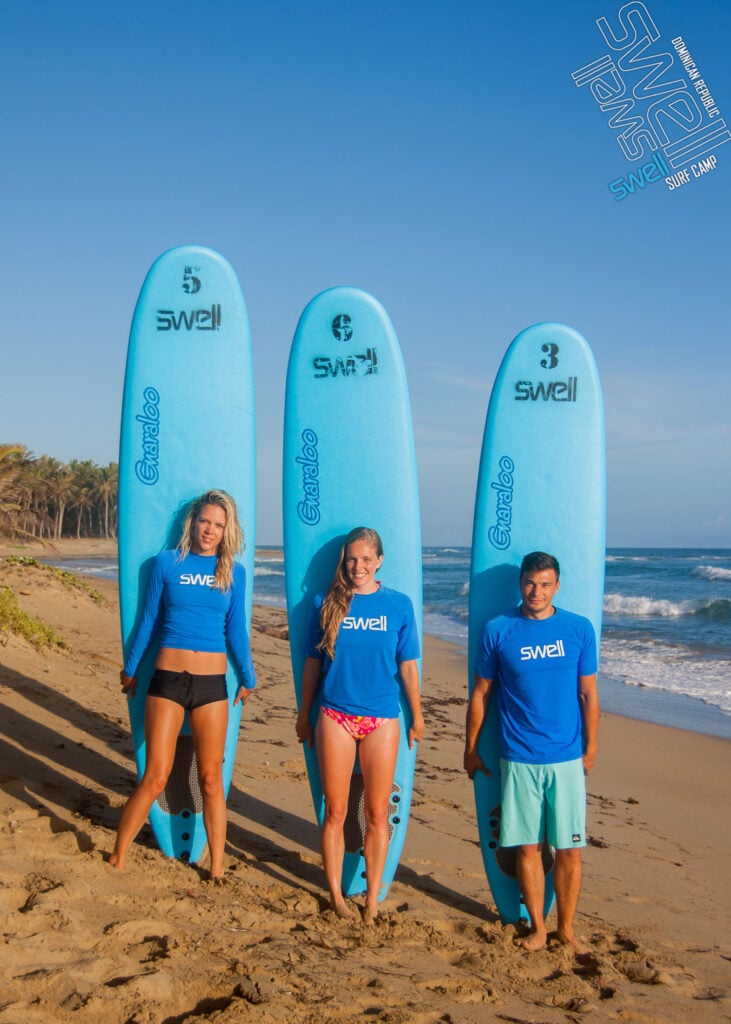
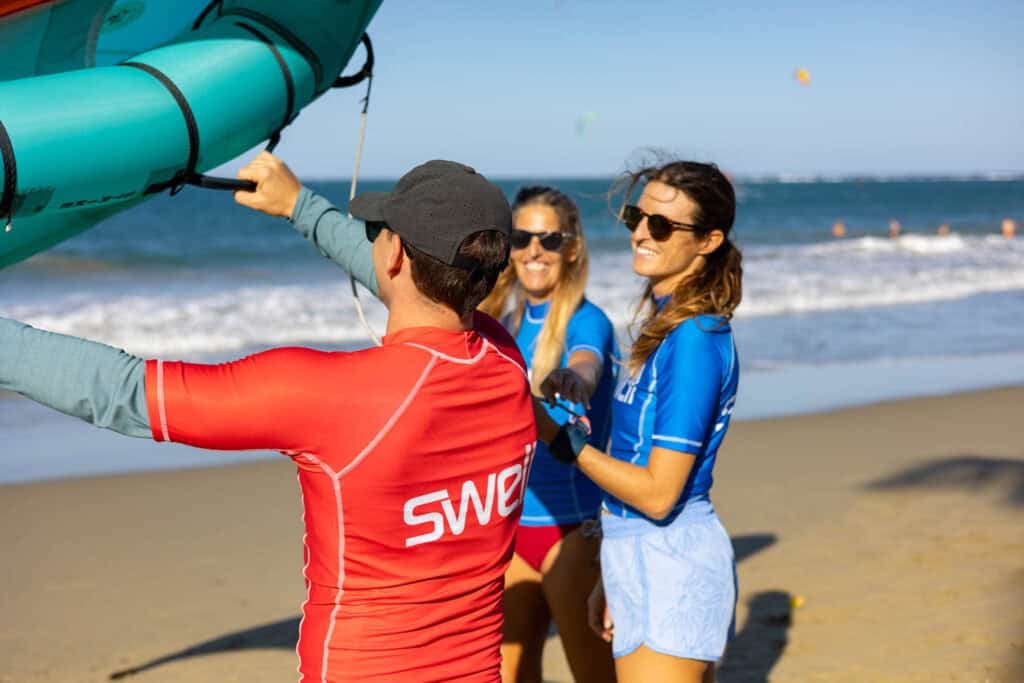
We have run a small, adults-only surf and wingfoil camp in Cabarete, Dominican Republic, since 2009. Guests average 39 years old, roughly two thirds arrive alone, and most have never stood on a board. A growing share now stay four to eight weeks rather than seven nights, which is why we wrote this. It is a practical guide to using a career break, a sabbatical or a post-university gap to learn a sport properly, with honest numbers on how long it takes and what to budget for.
What an adult gap year actually is
An adult gap year is a deliberate, time-boxed break from work or study, typically one to twelve months, with a defined purpose: recover, retrain, travel, or test a change of direction. It is distinct from a holiday in length and in intent, and distinct from quitting in that it has an end date and usually a plan for what comes after.
The term has gone mainstream. Insurers now publish planning guidance for adult gap years and career breaks, HR departments debate sabbatical policies, and Canadian business press has covered the rise of the adult gap year as a response to burnout and flexible work. Whether you call it a sabbatical, a mini-retirement or a career break, the useful ones share a shape: fixed dates, a budget, and one thing you intend to get good at.
For a recent graduate the logic is the same with a different calendar. The window between finals and a start date is the last stretch of genuinely unallocated time most people get until retirement. Spending it acquiring a skill is a better use than spending it on a sequence of hostels.
Why a skill beats a trip
A break organised around a skill has three advantages over one organised around an itinerary: it imposes a daily structure, it produces measurable progress, and it is easier to explain afterwards. Surfing is well suited because it rewards consistency over athleticism, so weeks of daily practice outperform years of occasional lessons.
Unstructured travel is pleasant for roughly ten days. After that, people who left to rest often find themselves restless, because nothing in the day requires anything of them. A sport fixes that without turning the break into a job. You surf early, you eat, the afternoon is yours.
The measurability matters more than it sounds. On week one you cannot stand up. On week three you choose your own waves. On week six you paddle out without a coach. That is a cleaner story for a CV gap or a performance review than “I travelled”.
- A reason to be up at first light, every day
- Progress you can see week by week
- Base fitness without a gym programme
- A small community of adults doing the same thing
- A skill you keep, and a sport you can do anywhere with a coast
- Showing up on days you would rather not
- Accepting that the first week is mostly falling
- Warm water and small waves, so destination choice is not cosmetic
- A minimum of three to four weeks before the payoff is obvious
The realistic learning curve: what you can do after 1, 4 and 8 weeks
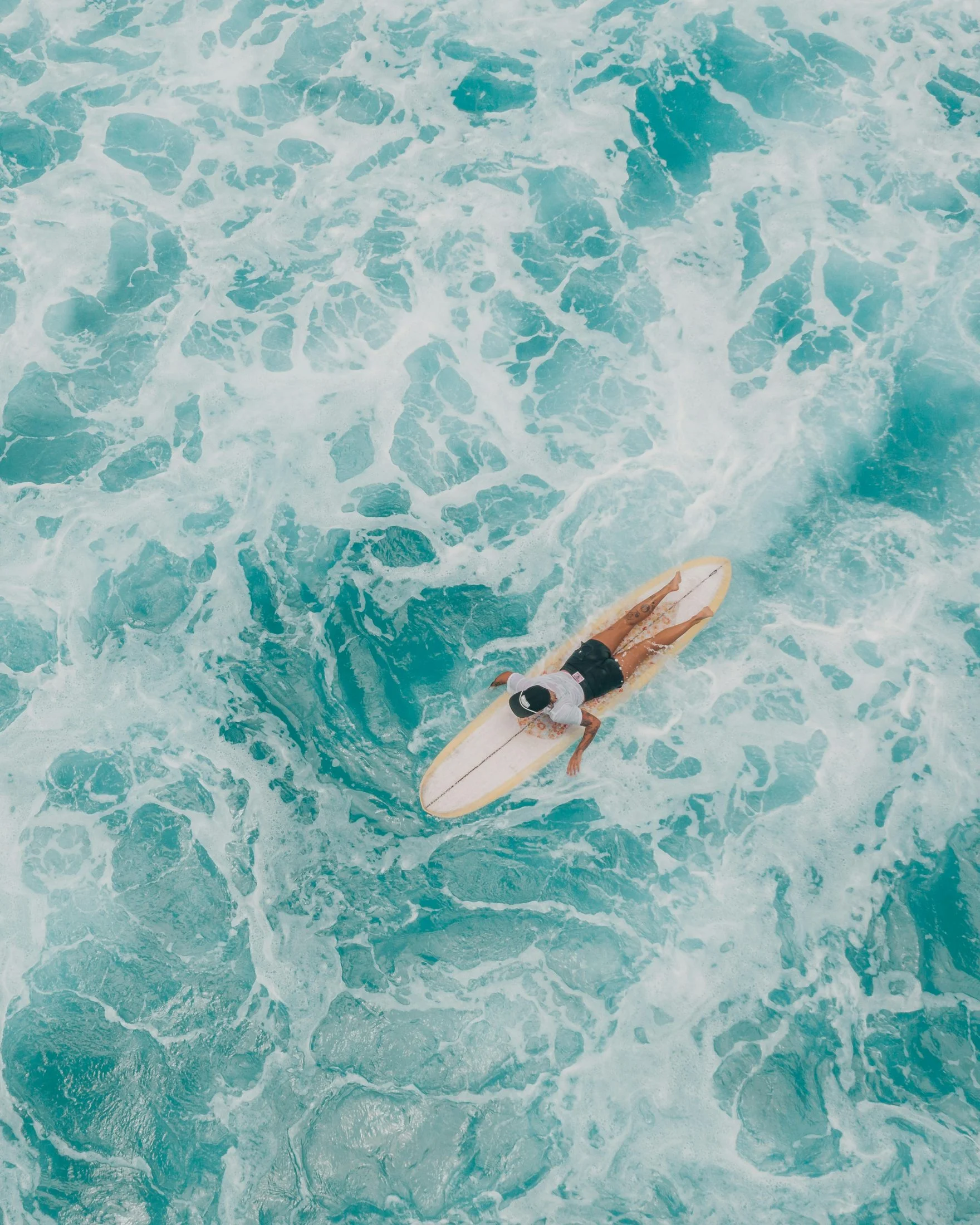
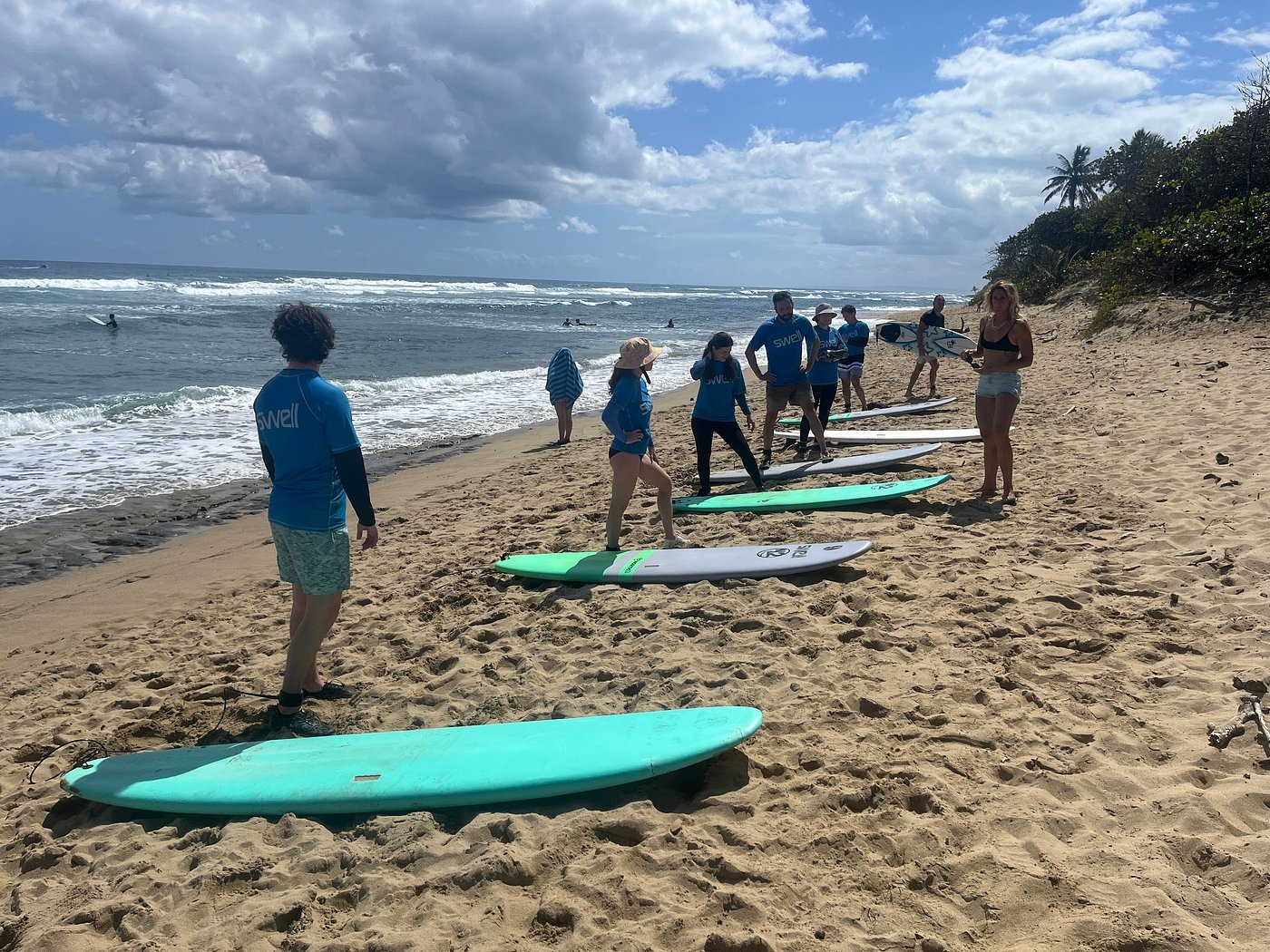
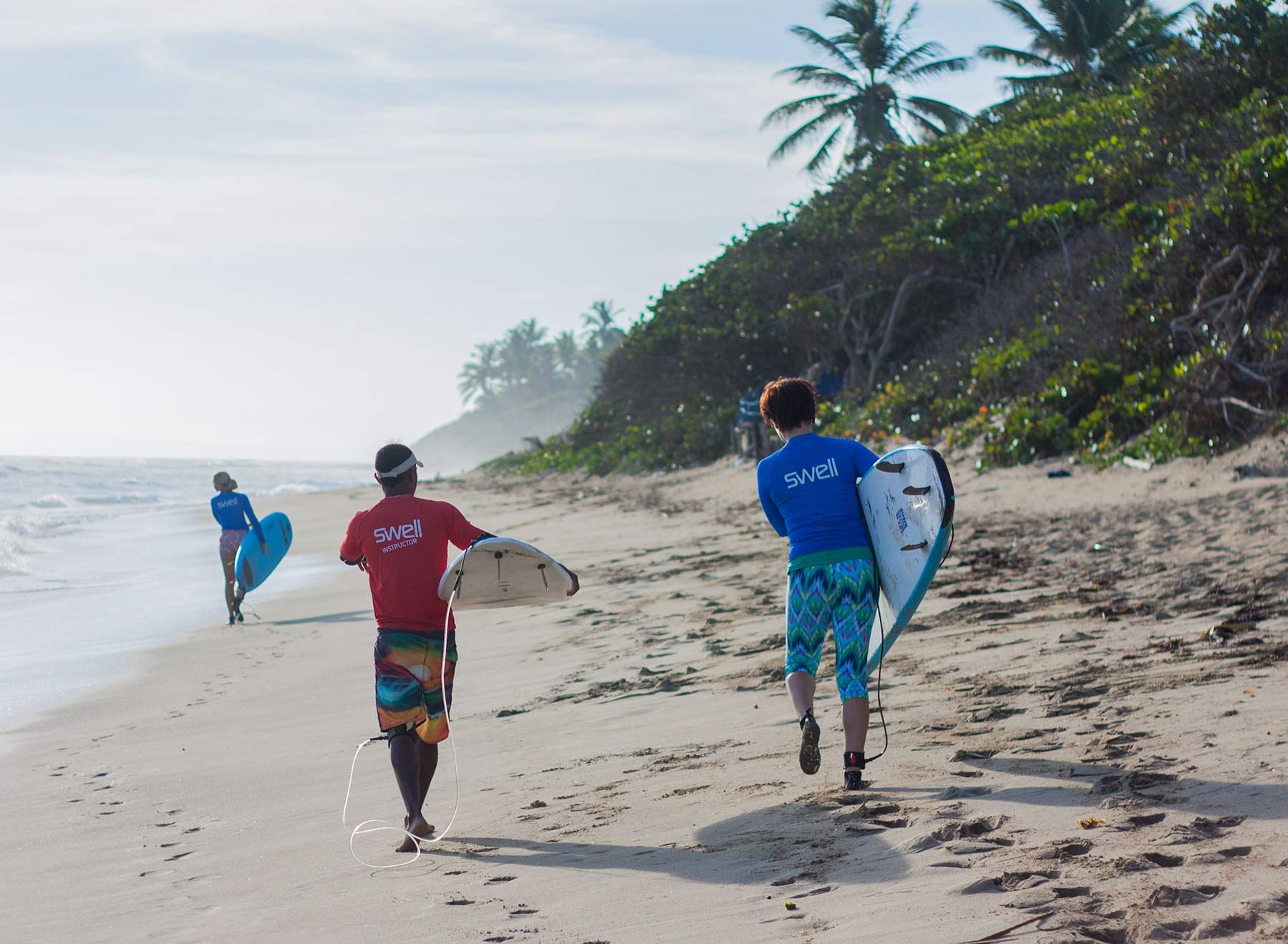
With daily coaching in small, warm waves, most adult beginners stand up in the first session and ride unbroken green waves by the end of week one. By weeks three and four you select your own waves and paddle out unassisted. After six to eight weeks of regular practice you can surf a beginner-friendly beach independently and begin moving to a smaller board.
These figures come from our own beach, not from a textbook. Around 95% of first-timers stand up in their first coached session at Playa Encuentro, and the oldest beginner we have taught was 78. The gap between a week and a month is not whether you can surf. It is whether you can surf without someone calling your waves.
A longer stay therefore uses a different coaching model. Our gap surf break front-loads a full block of coached sessions, then moves you to board rental with roughly one lesson a week to correct technique before it sets. Paying for daily lessons in week five would be paying for something you no longer need.
| Stage | Typical timing | What you can do | Coaching |
|---|---|---|---|
| Stand up | Day 1–2 | Ride broken whitewater to the beach on a large soft board | Daily |
| Green waves | Days 4–7 | Catch unbroken waves on a coach’s call or push | Daily |
| Reading the line-up | Weeks 2–3 | Paddle out alone, select waves, trim along the face | Weekly |
| Independent | Weeks 4–8 | Surf a beginner break unassisted, start reducing board volume | On request |
Based on adult beginners learning daily in warm, small surf. Cold water, larger waves or two sessions a week all extend these timings materially.
How the weeks are structured
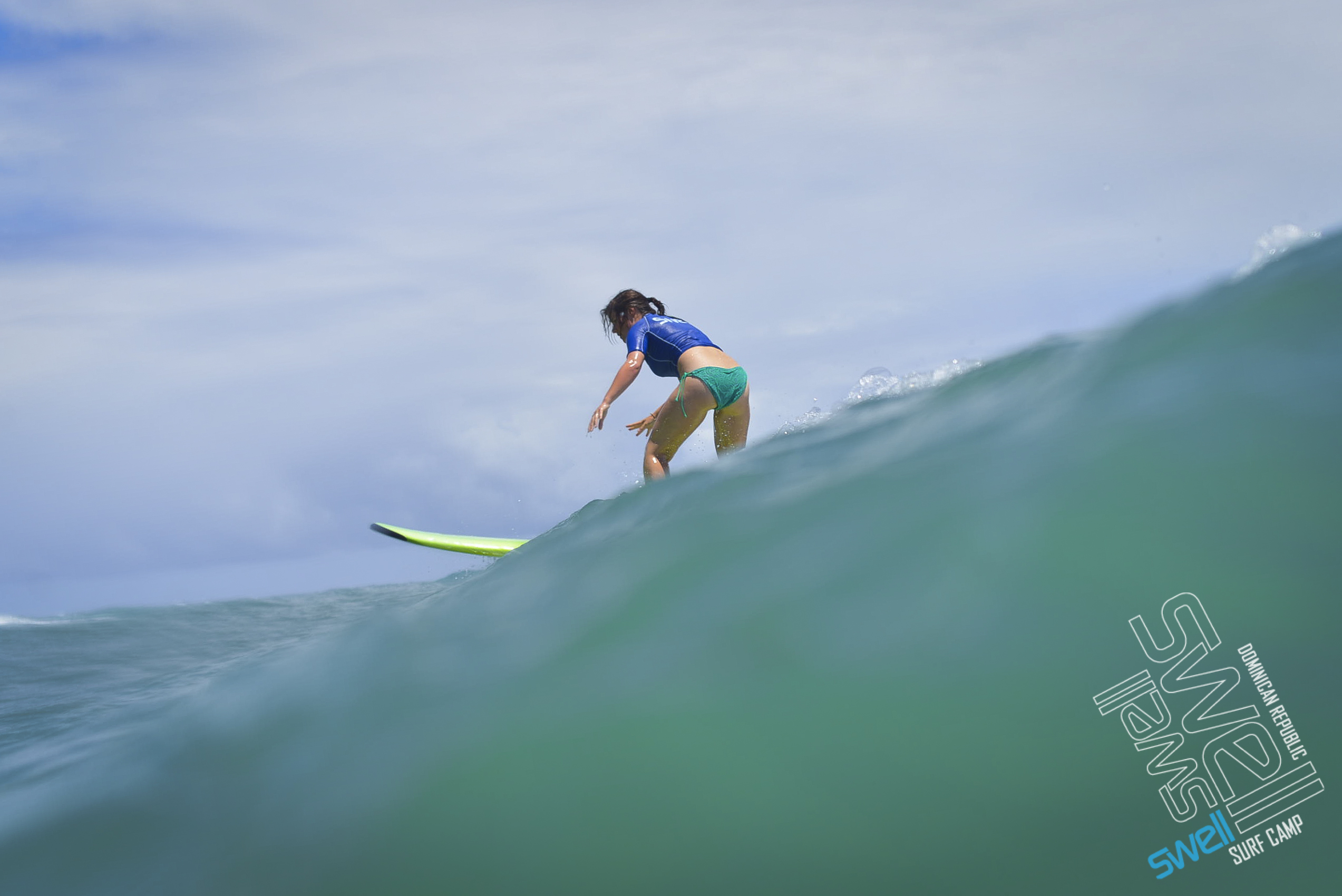
The first week is tiring and heavily scheduled. From week two the days settle into a pattern of an early session, a long breakfast and an afternoon you allocate yourself. The table shows how most of our longer-stay guests use the time.
| Week | Mornings | Afternoons | Where you are |
|---|---|---|---|
| Week 1 | Coached session daily, with theory on the beach | Rest, stretching, early nights | Standing, catching whitewater, sore in muscles you did not know you had |
| Week 2 | Free surf with the group plus one coached session | Yoga, Spanish lessons in town, exploring the north coast | Confident in whitewater, working on green waves |
| Weeks 3–4 | Dawn surf, second session if the wind allows | Remote work if you kept some, day trips, the kite beach | Selecting your own waves; fitness noticeably up |
| Weeks 5–8 | Surf on your own schedule, smaller board | Wingfoil lessons on windy afternoons, reading, rest | Independent; planning how to keep surfing at home |
Two conditions make this work. The beach has to produce surfable waves almost every day, or a month will contain a flat fortnight. And the camp needs to be the right size and demographic. Six weeks surfing alone is isolating; six weeks in a dorm-style hostel is a different product. We cap the camp at 16 guests, all adults, which is enough people to paddle out with and few enough that it stays quiet.
Budgeting a four-to-eight-week surf break
Published guides for adult gap years quote budgets from a few thousand dollars to several tens of thousands, driven mainly by length and destination. A surf-focused break of four to eight weeks sits at the lower end of that range, because once you have coaching and a board, the activity itself costs nothing per day.
Build the budget from these lines rather than a single headline figure:
- Flights. The Dominican Republic is about 3 hours 45 minutes nonstop from New York. This is a short-haul fare, not a round-the-world ticket, and it means a mid-break trip home is feasible if work or family requires it.
- Accommodation and coaching. The largest line. An all-inclusive package is the simplest option for week one. For longer stays, look for a camp with a dedicated long-stay structure that drops daily lessons once you are past the beginner block, rather than multiplying a weekly rate.
- Food. Cabarete ranges from street food to good restaurants, so this is within your control.
- Insurance. Standard travel cover often excludes board sports. Check the policy wording for surfing and, if you intend to try it, wingfoiling.
- Fixed costs at home. Rent or mortgage, subscriptions, and for graduates, loan repayment start dates.
Weekly packages are on the pricing page. Longer stays are structured and priced separately on the gap surf break page, because a month at the camp is not four weeks multiplied.
Working remotely, or unplugging entirely
Decide this before you book. Both versions work; they require different arrangements with your employer, your budget and the camp.
Fully unplugged. The classic sabbatical. It needs a proper handover and an explicit agreement on your return date and role. It is the version people describe as the one that changed something, and it is the one that needs the most savings.
Surf mornings, work afternoons. Surf on the north coast is usually best early, before the trade wind fills in. That leaves afternoons free for focused work if your role permits it. A meaningful share of our longer-stay guests run exactly this schedule. It stretches a four-week budget to eight, and it is a considerably easier proposal to put to a manager than a full absence.
Tell the camp which model you are running. We can allocate a quieter room, tell you where the reliable Wi-Fi is, and schedule your weekly coaching around fixed calls.
Why the Dominican Republic suits a long surf stay
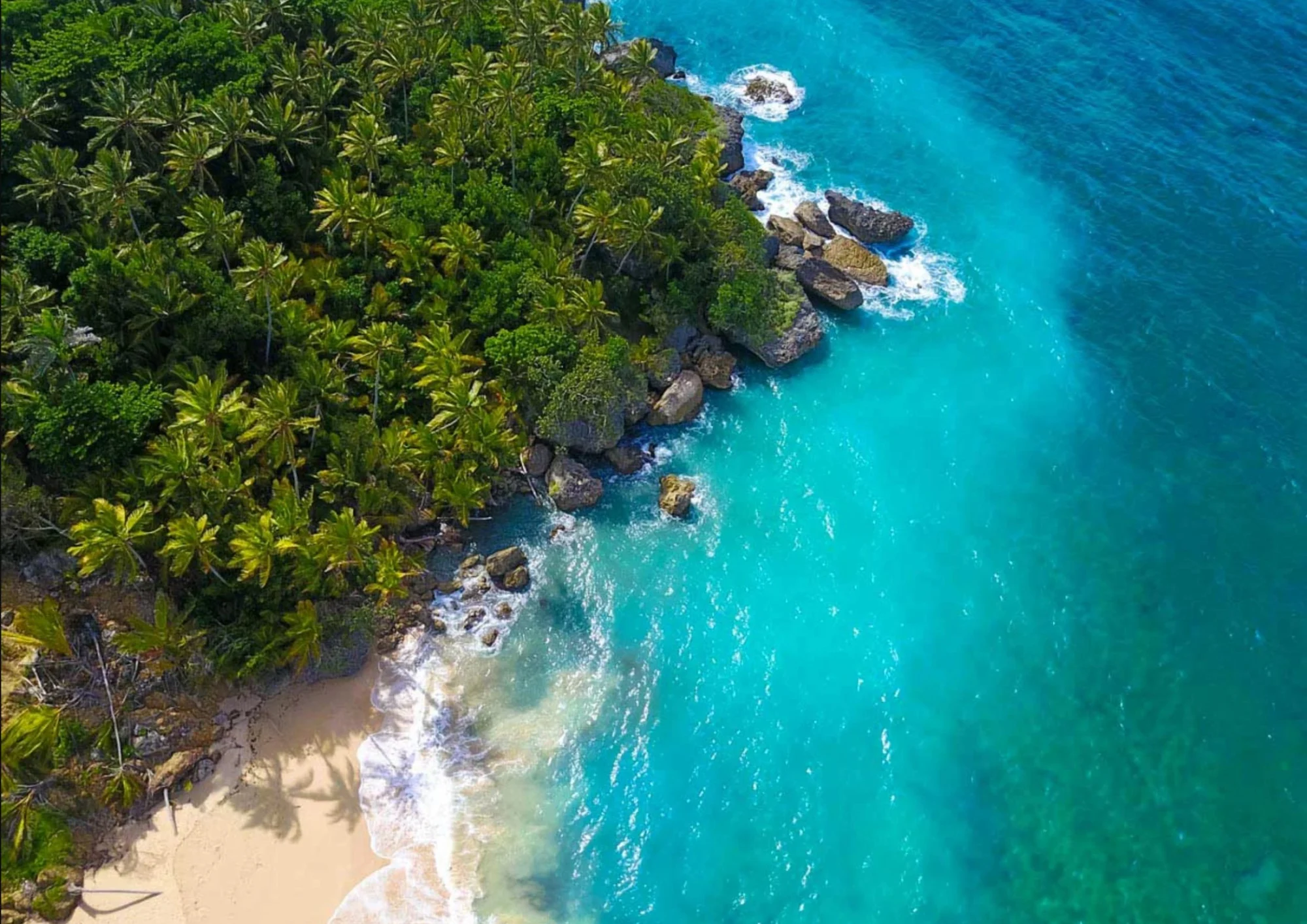
A long surf stay needs three things a short one can compromise on: waves in every month, water warm enough to surf daily without a wetsuit, and a short enough flight that the trip is not a one-way commitment. Playa Encuentro in Cabarete has 340+ surfable days a year, 27°C water, and a sheltered inside section where beginners learn in chest-deep water, 25 minutes from an international airport.
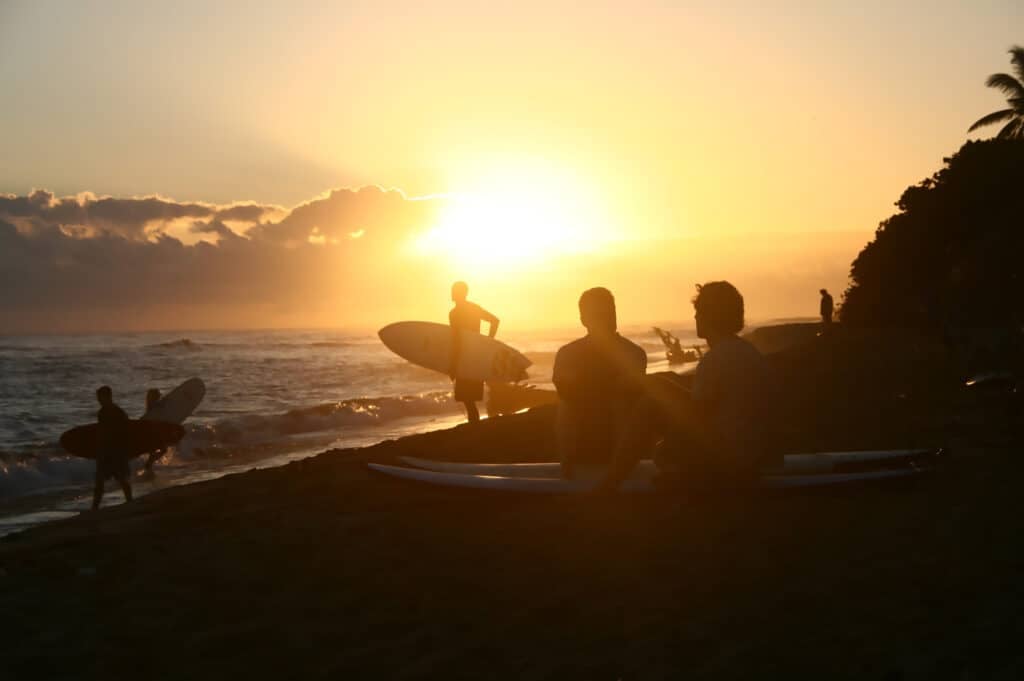
Consistency is the point. Many well-known surf destinations have a season and a flat spell outside it, which is tolerable on a seven-night trip and expensive on a six-week one. Encuentro works year-round, with the largest, cleanest waves from November to April and smaller, more forgiving surf through the northern summer. The break and our coaching approach are described on the surfing page, and routes and transfers on getting to Swell.
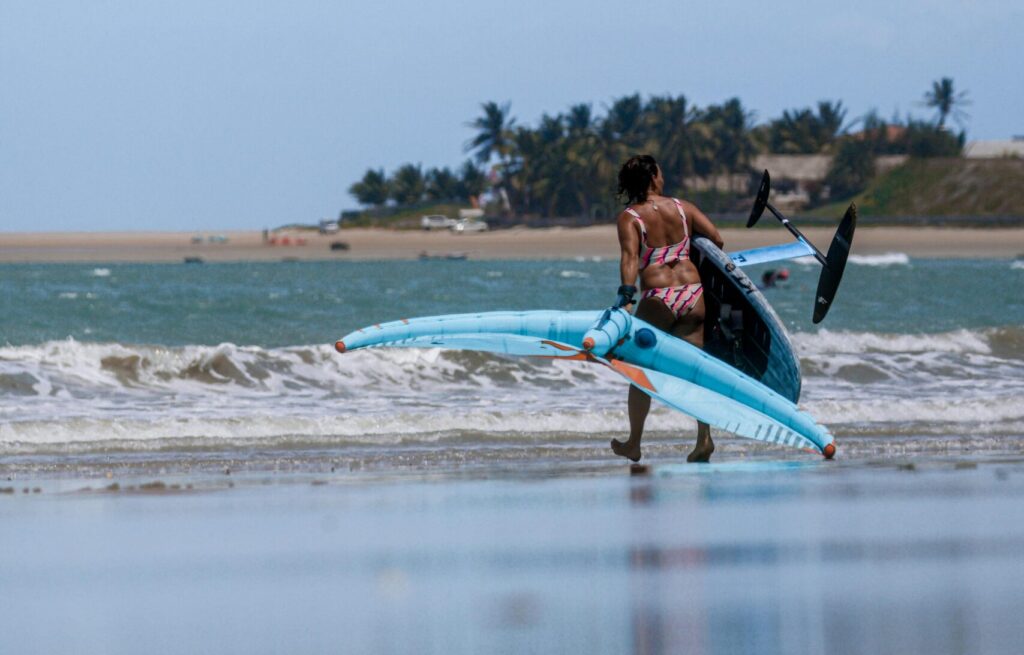
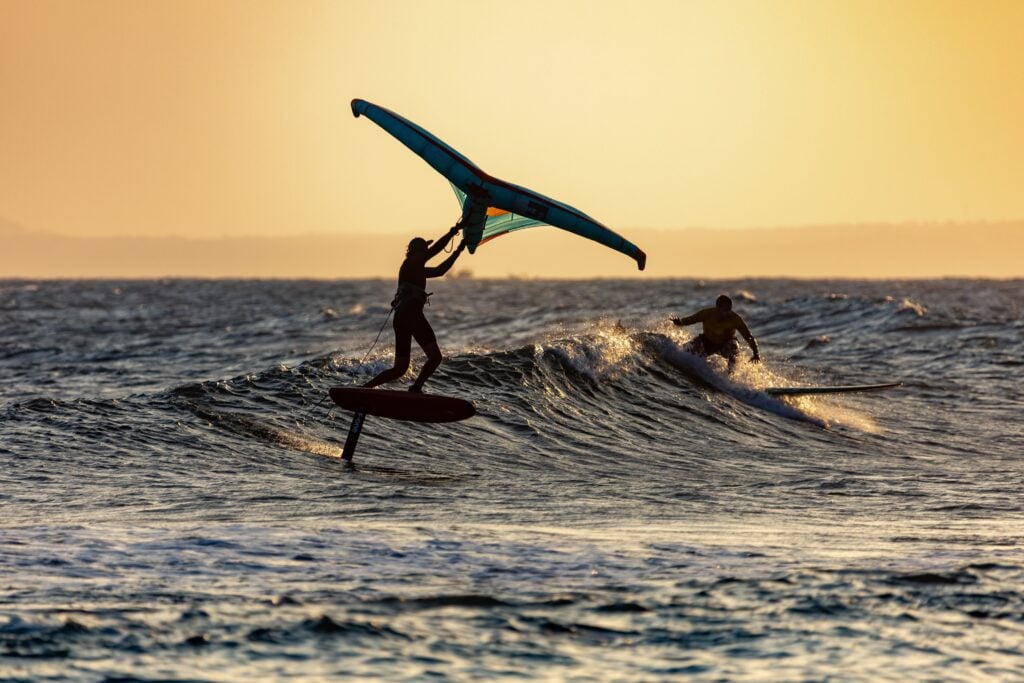
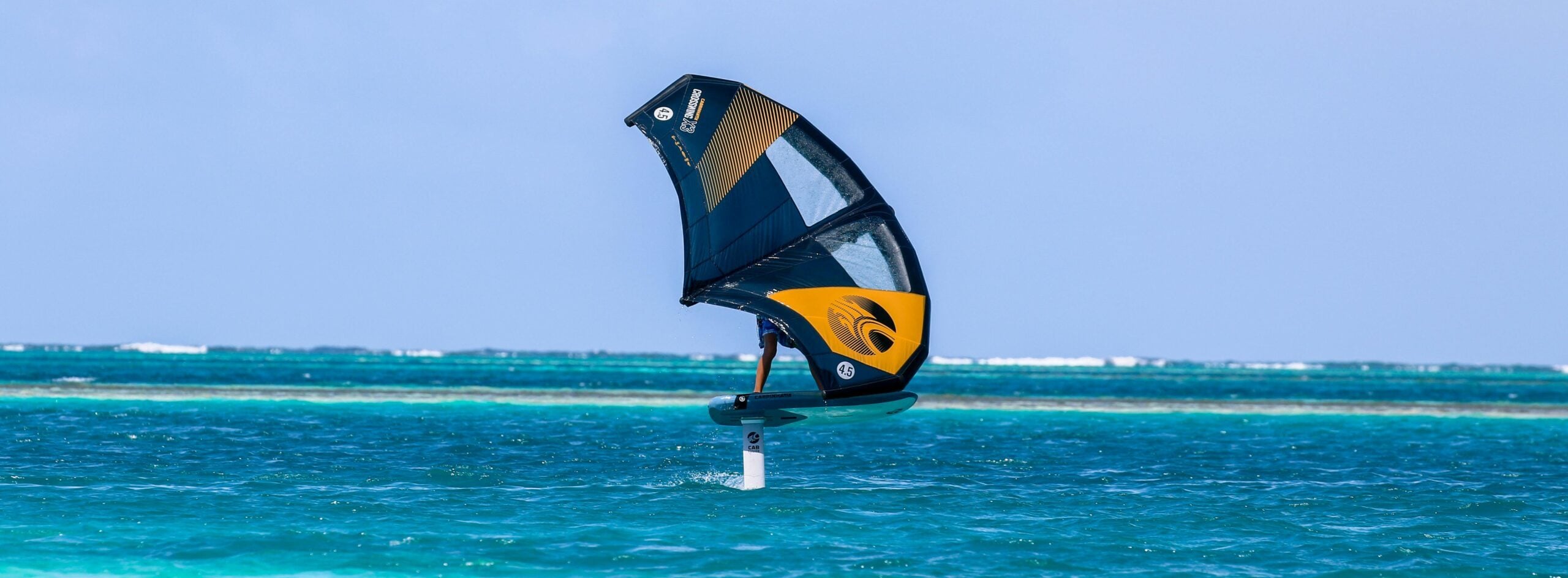
The same bay turns into one of the better places to learn to wingfoil when the afternoon wind arrives. A long stay is the one time most people have enough weeks to learn both.
Making the case: to an employer, or to yourself
If you intend to keep your job, the request goes better with a plan than a wish. If you are a graduate, the same discipline makes the gap easy to explain at interview.
- Fix the dates. “Six weeks from mid-January” is a proposal. “Some time off next year” is a concern.
- Bring the coverage plan. Who owns what while you are away and how it comes back.
- State the objective. Learning a sport to a defined level, resetting after a hard year, or trialling a hybrid schedule are all easier to approve than an unspecified break.
- Offer the hybrid. If a full absence is refused, the surf-mornings, work-afternoons version costs the business very little.
- Return with evidence. A documented skill, a fitness baseline and a clear head is a story that holds up in a review or an interview. A tan is not.
What to take from this
Three decisions determine whether a career break or post-university gap is remembered or forgotten. Pick one skill and give it daily time. Choose a destination that works in every week you are there, with warm water and a short flight. Stay somewhere with other adults doing the same thing, so the evenings are company rather than a problem to solve.
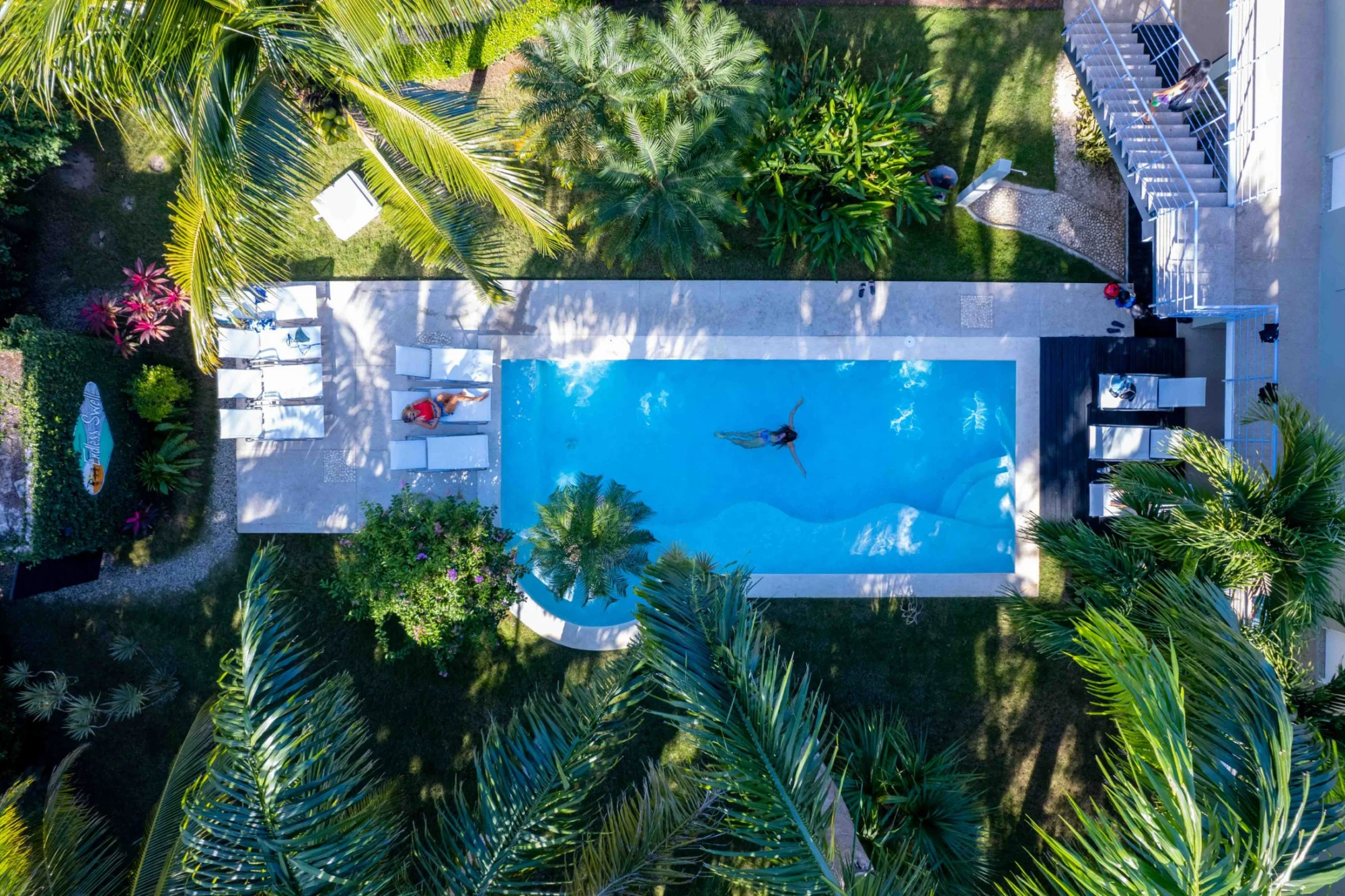
If that matches the break you have been postponing, the gap surf break page sets out how a longer stay at Swell is structured, and the retreat page shows the rooms and the beach.
Tell us how long you have
Send your dates and whether you want surf, wingfoil or both. We will reply with a quote and a straight answer on what is realistic in that time.
Not at the booking stage? Send us a message with your situation and we will tell you whether four, six or eight weeks makes sense for your goal, and which months to target.
Frequently asked questions
Will a six-to-eight-week gap damage my CV or career?
A short, dated, purposeful break rarely does. What raises questions is an open-ended gap with nothing attached to it. A six-week sabbatical spent reaching a defined level in a sport, or a hybrid stay where you kept part of your role running, reads as deliberate. State it plainly on the CV with dates and the objective, and it becomes a conversation starter rather than a gap to explain.
How should I structure the request to my employer?
Lead with fixed dates, a coverage plan for your responsibilities and the objective of the break. Offer two versions: a full absence, and a hybrid where you work afternoons remotely. Propose a return date and a short handback period. Managers approve plans; they rarely approve moods.
What level will I realistically reach in six weeks?
In warm, small, daily surf, an adult beginner typically stands up in the first session, rides green waves by the end of week one, selects their own waves by week three, and surfs a beginner-friendly beach independently by weeks five to six. You will not be surfing reef breaks. You will be a competent beginner who can keep progressing without a coach, which is the point.
Does a long stay cost four times a one-week package?
No, if it is structured properly. A one-week package includes daily coaching, which is exactly what you need in week one and largely redundant by week four. A well-designed long stay front-loads coaching, then shifts to board rental with periodic technique sessions, which brings the weekly cost down. Our long-stay structure is explained on the gap surf break page; weekly packages are on the pricing page.
I am 45 and not especially fit. Is that a problem?
No. Our average guest is 39, we have taught beginners into their seventies, and the first week is designed around people who have not done a sport in years. Reasonable swimming ability and the willingness to be tired for the first few days are the only prerequisites. Fitness arrives as a by-product of surfing every morning, not as a precondition for starting.