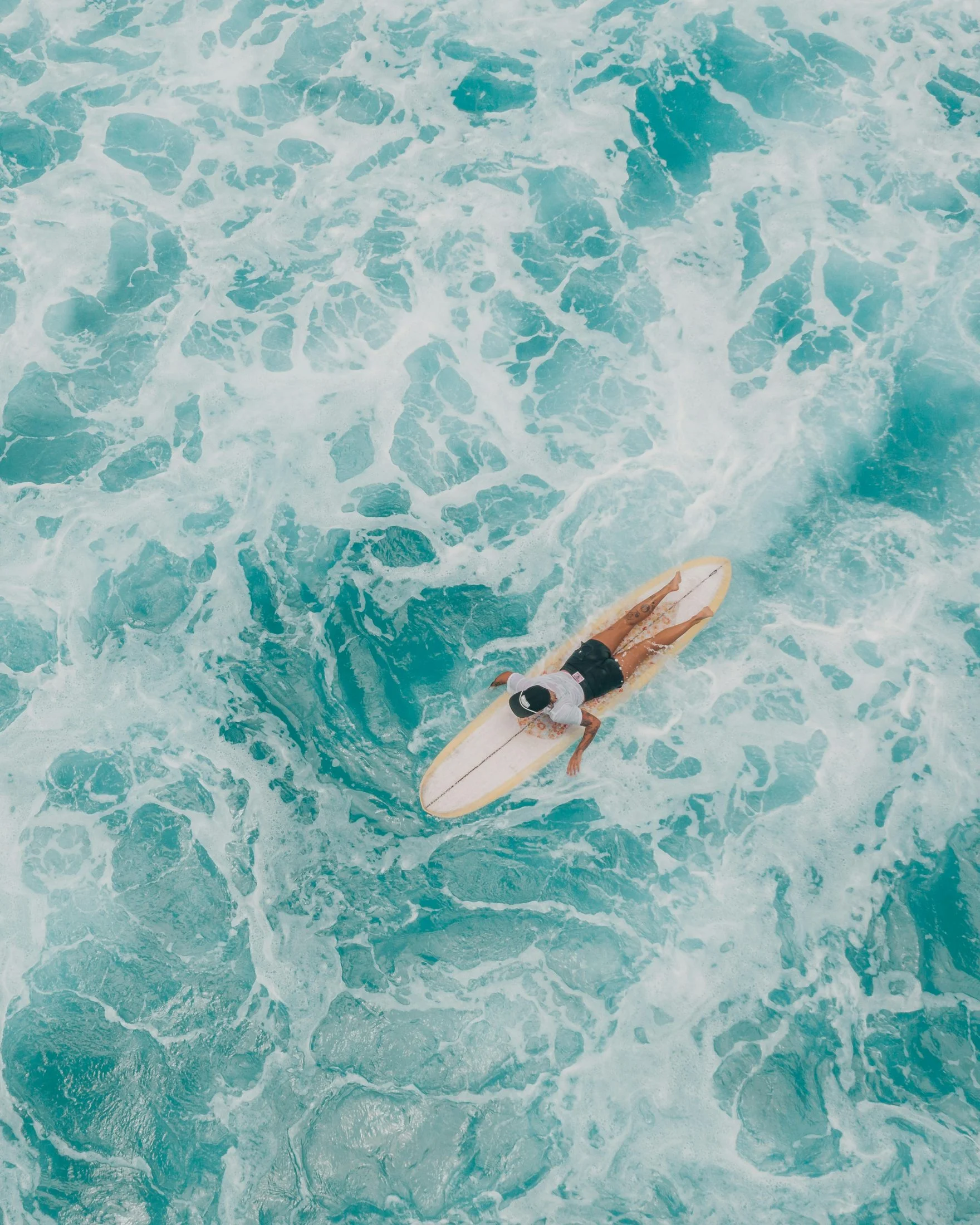
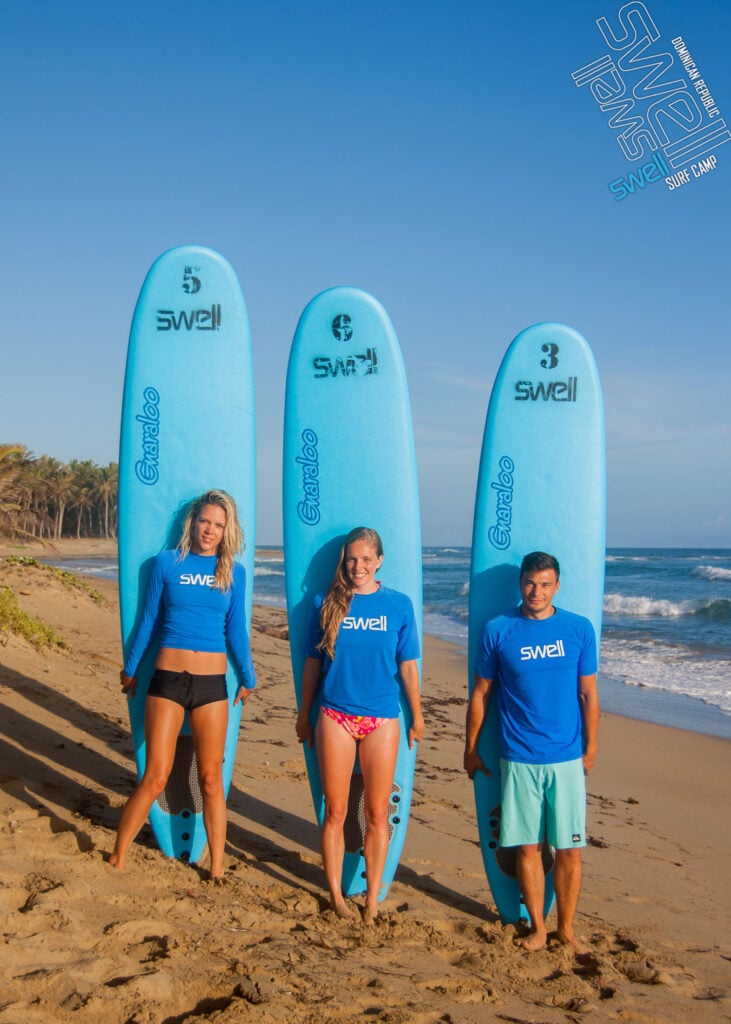
We have run a surf camp in Cabarete since 2009, and our coaches surf Playa Encuentro most mornings of the year. This is our first-hand guide to surfing Cabarete: which spots suit which level, when the waves are best, how a typical surf day works here, and what to expect if you are booking a Cabarete surf camp for the first time.
It is written mainly for adults who are new to surfing or a few sessions in, because that is who most of our guests are. If you are an experienced surfer, skip to the spot table and the season calendar. Everything here comes from living and coaching on this coast, not from a forecast site.
Where do you surf in Cabarete?
Almost all surfing in Cabarete happens at Playa Encuentro, about 5 km (3 miles) west of the town centre. The main Cabarete bay is a kitesurfing and wingfoiling beach: the waves break far outside on the reef, a 30-minute paddle, and the afternoon wind turns it into a kite lagoon. Surfers go to Encuentro.
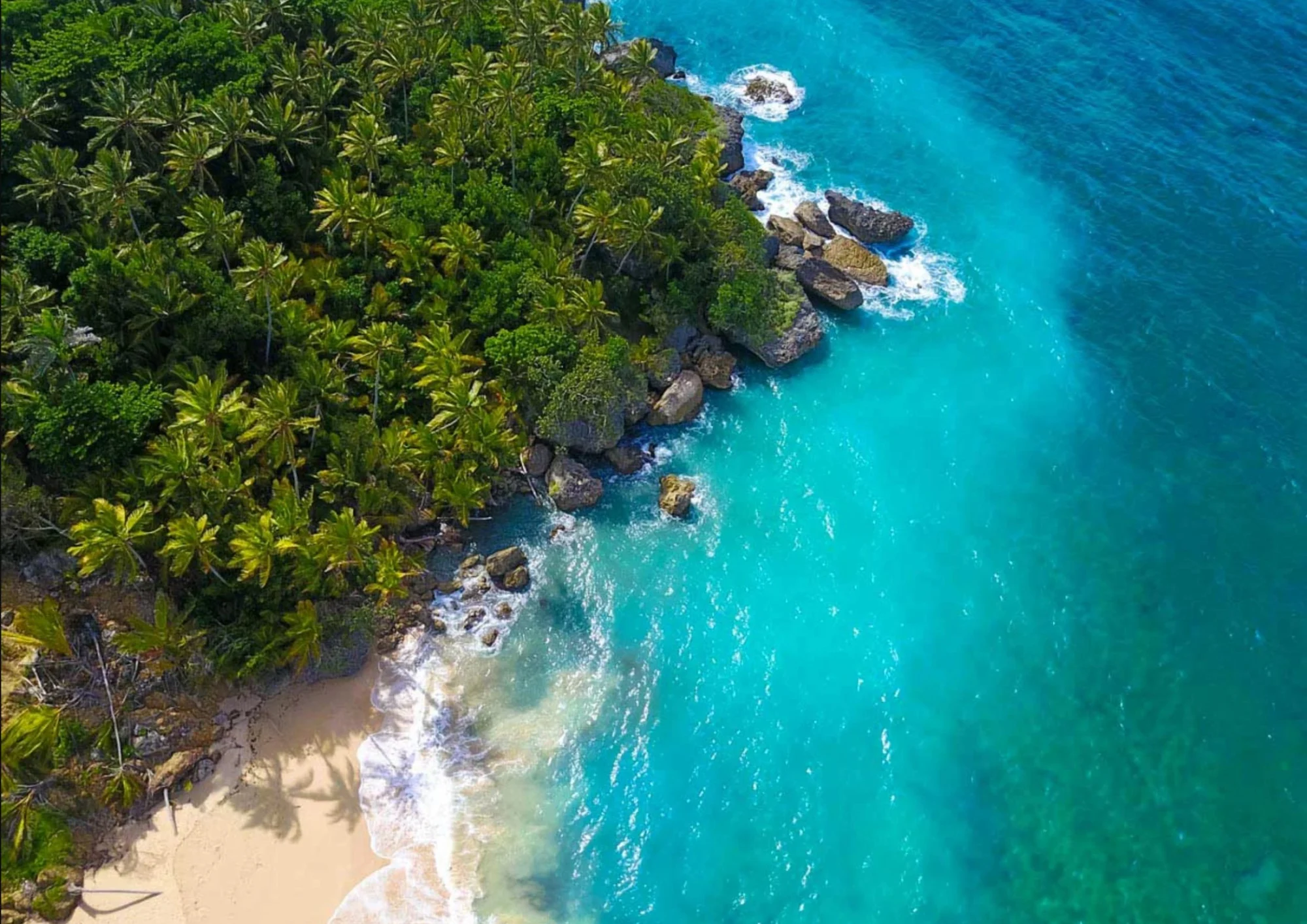
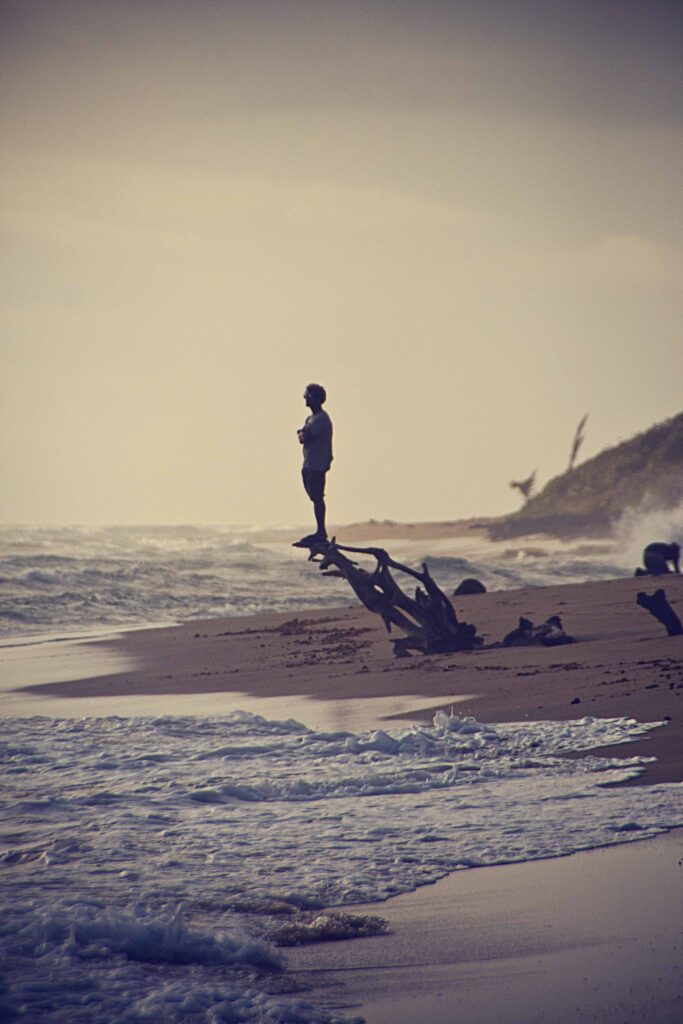
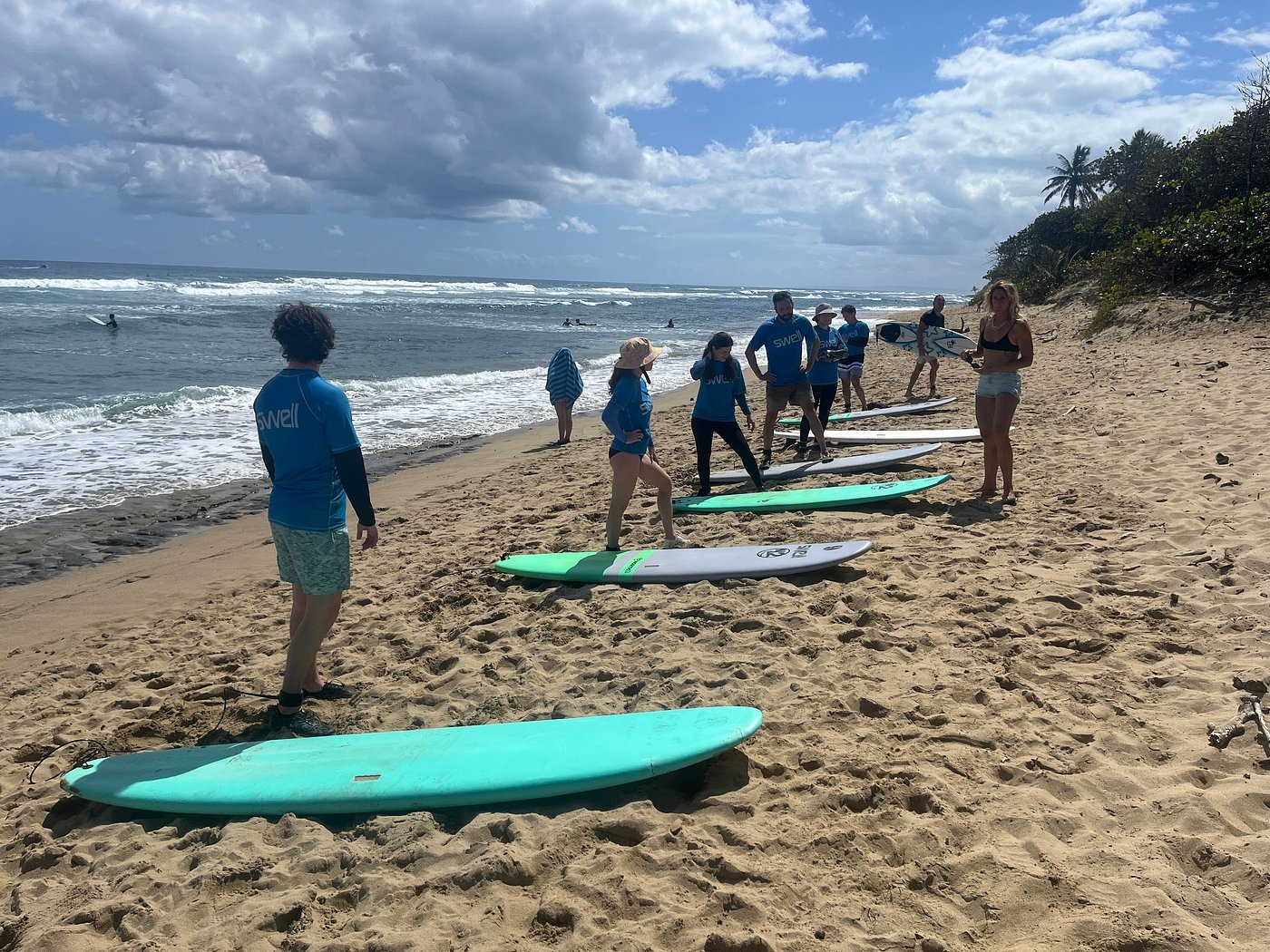
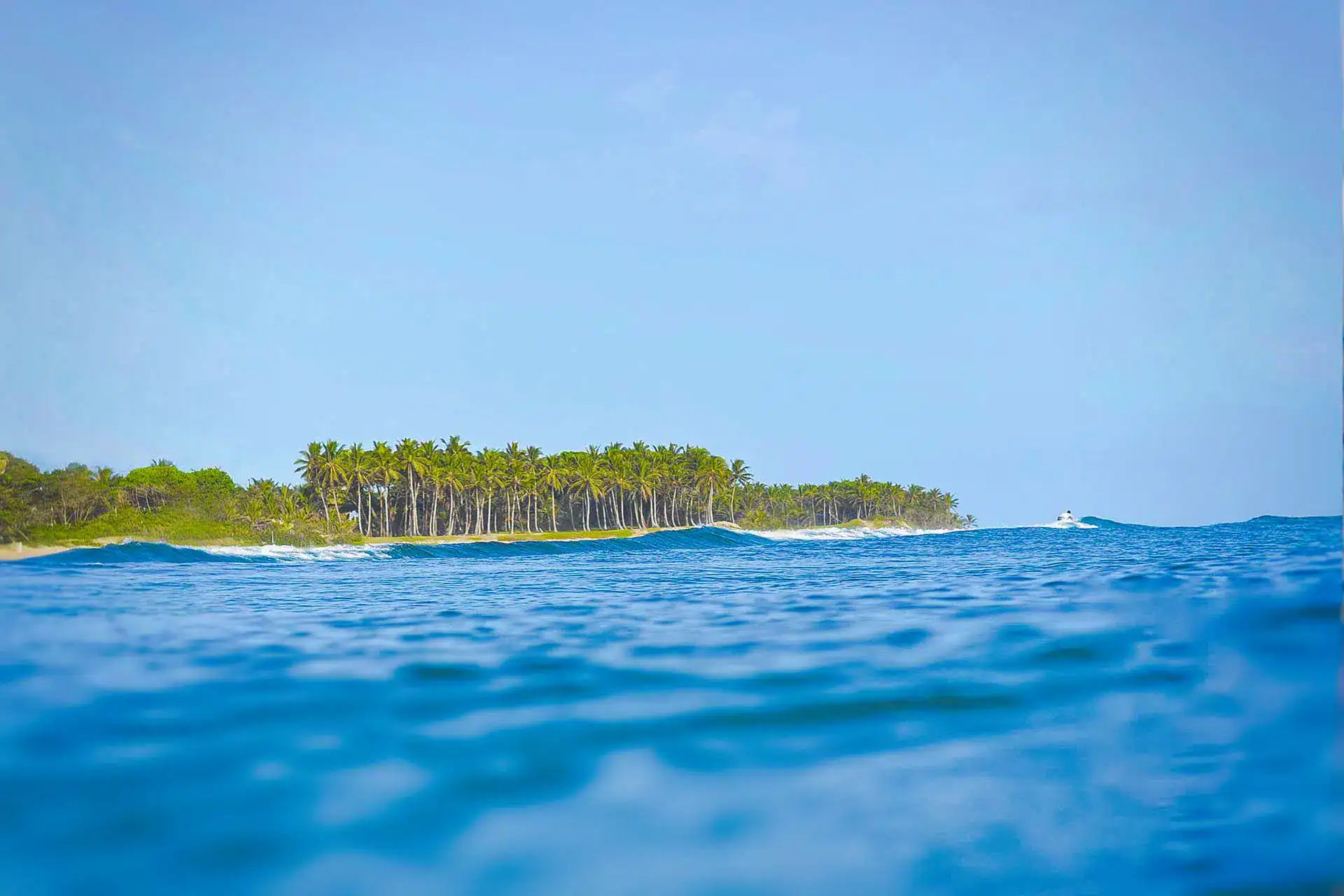
Encuentro is a long, palm-backed beach with a mix of sand and reef bottom. The peaks sit within a short walk of each other, so a group with mixed abilities can surf the same beach at the same time. Beginners stay on the inside sections and the sandier peaks. Experienced surfers paddle out to the reef.
The beach has a handful of surf schools, a few board racks and a couple of places to get a coffee or a fresh juice. There is no big development on the beach itself, which is part of why it still feels like a proper surf spot rather than a resort strip.
Cabarete surf spots, from west to east
Playa Encuentro has five main surf spots. From west to east they are Destroyer, The Left, Main Peak, Bobo’s and Coco Pipe. Main Peak and Bobo’s are the friendliest and work all year; Destroyer, The Left and Coco Pipe are reef waves for confident intermediates and experts, best on a solid winter north swell.
| Spot | Level | Wave | Bottom | Best swell | Notes |
|---|---|---|---|---|---|
| Main Peak | All levels | Long right, shorter and faster left | Reef and sand, deep inside | Any, works year-round | Where we teach. Soft inside whitewater for first-timers, green waves outside for intermediates and longboarders. |
| Bobo’s | Beginner to intermediate | Mellow left and right | Sand and reef | Small to medium | Forgiving peak in front of the surf schools. Good for your first green waves. |
| The Left | Intermediate to expert | Long, walling left with barrel sections | Reef | North and northeast, Nov–Apr | The best wave on the beach when it is on, and the busiest line-up. |
| Coco Pipe | Expert | Hollow right with good walls | Shallow, uneven reef | North swell with size | Only comes alive on a real winter swell. Not a place to learn. |
| Destroyer | Expert | Fast, barreling | Shallow, sharp reef | Winter north swells | The name is accurate. Bodyboarders and experienced surfers only. |
Spot names are the ones used locally. Conditions change with swell size and tide, so ask a coach or a local before paddling out at the reef peaks.
Beyond Encuentro there are more waves along the north coast. Mananero, east of town, is a fast, punchy wave for intermediates and experts on windless east-swell mornings in early summer. Playa Grande, about 45 minutes east, has a fun beach break and the well-known reef at Preciosa in the next bay, a long, quality left in front of a headland. There are quieter spots too, but those you learn about from a willing local, not from a website.
When is the best time to surf Cabarete?
You can surf Cabarete every month of the year. November to April is the prime season, when North Atlantic winter swells bring the biggest, most powerful waves and all five Encuentro peaks come alive. May to October is smaller and more consistent, which most beginners and early intermediates actually prefer. Water stays 26–28°C year-round, so nobody wears a wetsuit.
| Who | Jan | Feb | Mar | Apr | May | Jun | Jul | Aug | Sep | Oct | Nov | Dec |
|---|---|---|---|---|---|---|---|---|---|---|---|---|
| Beginners | G | G | G | P | P | P | P | P | P | P | G | G |
| Intermediates | P | P | P | P | G | G | G | G | G | G | P | P |
| Experts | P | P | P | G | M | M | M | M | M | G | P | P |
The pattern is simple. Winter swells have more push, so the reef peaks work and intermediates progress fast, but a first-timer can have days that feel big. Summer is gentler, with waist-to-chest-high waves most mornings, so beginners get more waves and more stand-ups per session. Late summer and early autumn is hurricane season for the Caribbean; direct hits on the north coast are rare, but distant storms can send a few days of larger swell.
For month-by-month weather and water detail, see our guide to the weather in Cabarete and when to visit.
Why mornings matter: wind and timing in Cabarete
Cabarete is famous for its trade wind, and that wind shapes every surf day. Mornings are glassy or lightly offshore. From late morning the wind builds from the east and the surf gets bumpy, so surfers are usually in the water by 7 or 8 and done by 11. The kiters and wingfoilers then take over the main bay for the afternoon.
This split is a gift if you like to fill your day. Surf early, eat a late breakfast, then nap, do yoga, take a wingfoil lesson or explore. Our schedule is built around it: coached surf sessions in the morning, the afternoon yours.

Is Cabarete a good place to learn to surf?
Yes, and for adult beginners it is one of the easiest places in the Caribbean to learn. The inside section at Encuentro is chest-deep and sandy, so you stand up between waves instead of treading water. There are no strong rips, no dangerous sea life and no wetsuit, and there are waves nearly every day, so a one-week trip is not a gamble on conditions.
Warm water makes a bigger difference than most people expect. Without a wetsuit you move freely, you stay out longer and you are less tired, which means more attempts per session. Most of our first-time guests stand up in their first coached session, and by day four or five they are catching small green waves on their own.
The other advantage is that you never outgrow the beach. Once you are comfortable on the inside, the coach moves you to Bobo’s or the shoulder of Main Peak. Come back a year later and The Left is waiting. You can read about how our coaching works on the surfing page, and see who we are built for on the adult surf camp page.

Cabarete surf camp or just lessons?
If you already surf and want freedom, renting a board at Encuentro and booking the odd lesson works well. If you are a beginner with one week of holiday, a Cabarete surf camp is the better choice. Coaching, boards, beach transport and a schedule built around the morning window are sorted, so every one of your seven days counts.
The difference shows in progression. Learning alone, most people spend the first days on the wrong board in the wrong spot at the wrong time of day. With a coach who knows the beach, you are on the right peak at 7:30 with a board that suits you, and someone is watching your pop-up and fixing it wave by wave.
It also matters who else is at the camp. Ours is adults only, capped at 16 guests, with an average age of 39 and a majority of solo travellers, so you learn with people at a similar stage of life and ability. Small groups are split by level, so beginners and intermediates are never in the same line-up. Have a look at what a week at Swell looks like.
Whatever you book, ask three questions: how many students per coach, are boards and beach transport included, and what time do sessions start. Anything that starts after 9 am in Cabarete is fighting the wind.
Getting to Cabarete for a surf trip
The closest airport is Puerto Plata (POP), 25 minutes from Cabarete and Playa Encuentro. It has direct flights from several US and Canadian cities, and New York to Puerto Plata is about 3 hours 45 minutes nonstop. Santiago (STI) is roughly 90 minutes by road and often has cheaper fares. Santo Domingo (SDQ) is about four hours away, so only use it if the flight saving is big.
That short transfer is one of the quiet reasons Cabarete works for a one-week surf holiday. You can leave home in the morning and be in the water the next dawn. Full flight and transfer details are on our getting to Swell page.
What else to do in Cabarete besides surfing
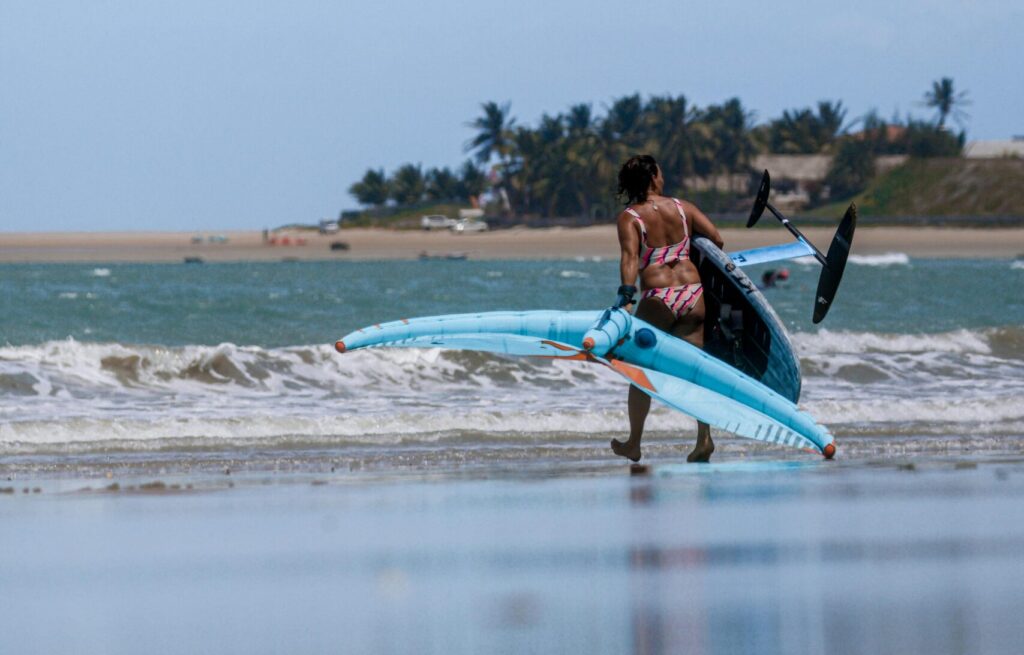
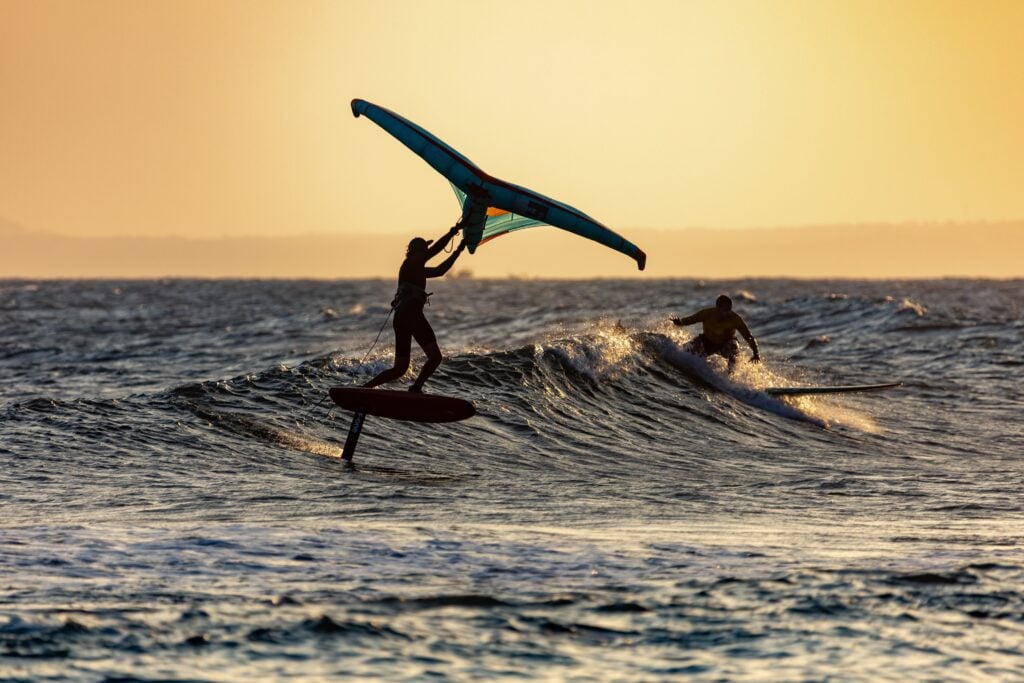
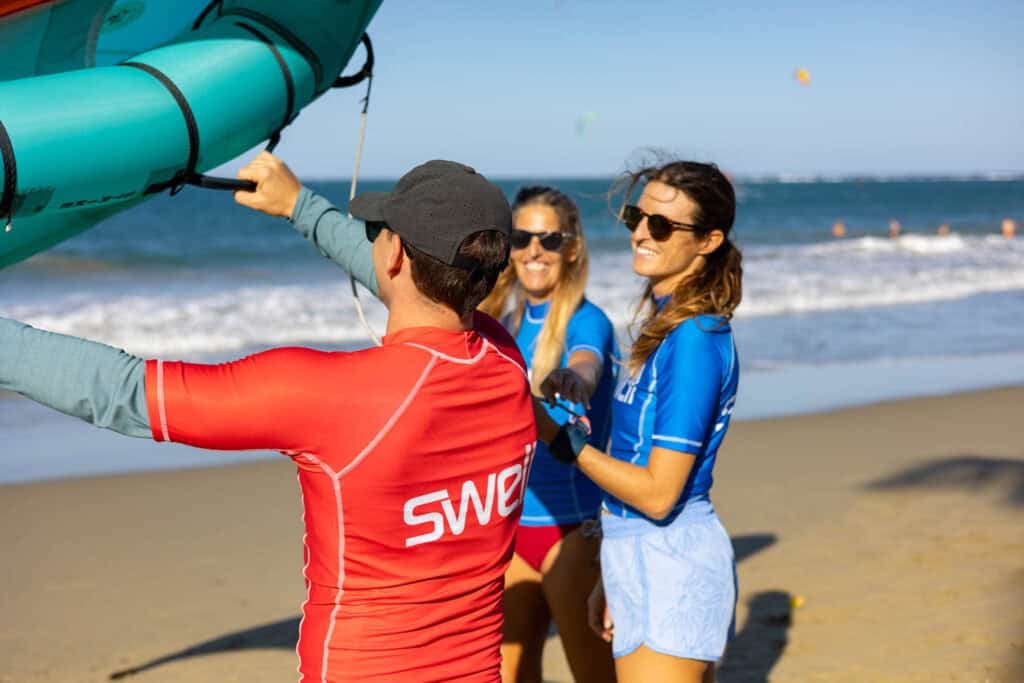
Because the surf is a morning thing, most guests fill afternoons with something else. Cabarete is one of the best places in the world to learn wingfoiling and kitesurfing, thanks to that same trade wind and a flat, waist-deep bay. Yoga fits naturally around surfing, and we run sessions on site; see the yoga page for the schedule.
Off the water, the 27 Waterfalls of Damajagua are the day trip everyone talks about, and the town has good restaurants along the beach for sunset. Most people find a week here goes quickly.
Why surf Cabarete with us

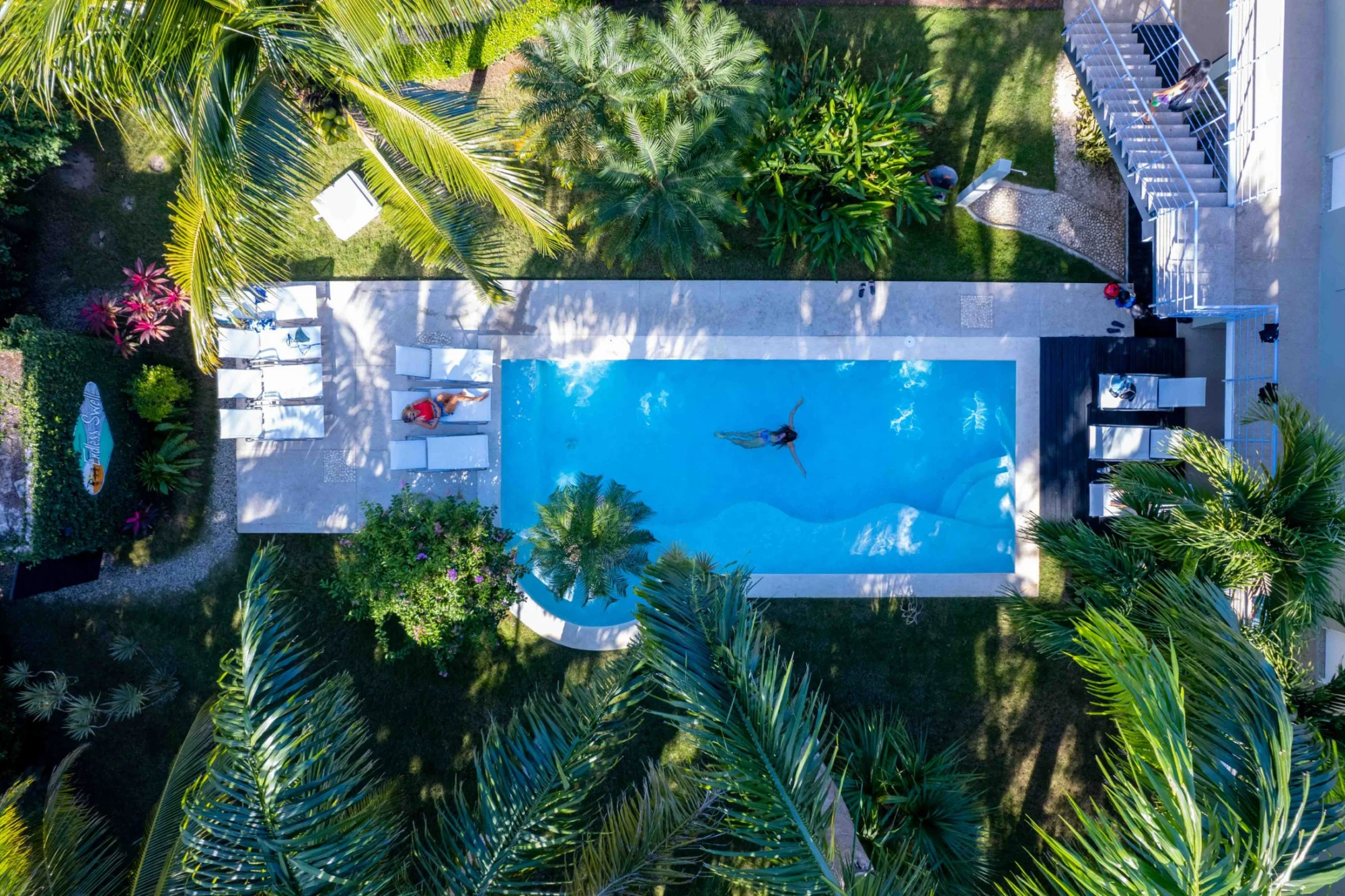
We built Swell from bare land in 2009 because we thought Cabarete and Playa Encuentro were the best combination of waves, warmth, safety and access we had found in twenty-plus countries. Since then we have taught thousands of adults to surf here. Small coached groups, boutique rooms, a pool, breakfasts and a schedule built around the morning surf window are all part of the week.
Want to surf Cabarete this season?
Tell us your dates and who is coming and we will send you a custom price and availability quote, usually the same day.
Frequently asked questions about surfing Cabarete
Can complete beginners surf in Cabarete?
Yes. The inside section of Playa Encuentro is chest-deep with a sandy bottom, soft whitewater and no rips, which is exactly what a first session needs. The water is 26–28°C, so there is no wetsuit, and most first-timers stand up in their first coached session.
What is the best month to surf Cabarete?
For experienced surfers, December to March, when winter north swells light up all the Encuentro reef peaks. For beginners and early intermediates, April to October, when waves are smaller and more consistent. There is surf in every month, on 340+ days a year.
What time of day is best for surfing in Cabarete?
Early morning. The water is glassy from first light until about 11 am, when the trade wind picks up and makes the surf choppy. Sessions in Cabarete typically run from 7 or 8 am to late morning, leaving the afternoon for wingfoiling, kitesurfing, yoga or rest.
Do I need a wetsuit to surf in Cabarete?
No. The sea on the north coast of the Dominican Republic stays between 26 and 28°C all year. A rashguard or surf shirt for sun protection is all you need, even in January.
Which airport do I fly into for surfing Cabarete?
Puerto Plata (POP) is 25 minutes from Cabarete and has direct flights from the US and Canada. Santiago (STI) is about 90 minutes away and often cheaper. Santo Domingo (SDQ) is roughly four hours by road, so it is only worth it for a large fare difference.