Dominican Republic vs Costa Rica for a surf holiday comes down to who you are. Costa Rica wins for advanced surfers chasing world-class Pacific breaks and rainforest adventure. The Dominican Republic, and Cabarete specifically, wins for beginners and intermediates who want easy travel, better value, reliable year-round conditions, several watersports in one trip, and a genuinely social camp.
We get the Dominican Republic vs Costa Rica question a lot. Someone lands in our inbox, often a first-timer seriously thinking about booking a surf holiday, and somewhere in the message is a version of: “We were also looking at Costa Rica, how do you compare?”
It’s a fair question. Costa Rica has been the default answer to “surf holiday in the tropics” for years. It’s well marketed, well known, and has genuinely great waves. We won’t pretend otherwise. But after more than a decade hosting guests at Swell, we’ve heard, repeatedly, from people who went to Costa Rica first and then came to us. Their comparison is almost always more nuanced than the brochures suggest. So here it is: an honest, side-by-side look at both destinations, covering waves, travel, weather, cost, lifestyle and the overall experience. We’ll be upfront about where Costa Rica wins, and equally upfront about where the Dominican Republic, and Cabarete specifically, has a real edge.
Getting there: the journey matters
For most of Swell’s guests, coming from the US East Coast, Canada or Europe, the Dominican Republic is far easier to reach. It’s roughly a four-hour direct flight from New York or Boston to Puerto Plata, then just 25 minutes to Swell. Costa Rica usually means three to six hours of ground transfer after you land.
From New York or Boston it’s about a four-hour direct flight to Puerto Plata (airport code POP) with JetBlue or United. From Toronto or Montreal it’s a little over three and a half hours. And once you land? You’re at Swell in 25 minutes. No internal flight, no three-hour taxi crawl through mountain roads, no white-knuckle transfer in the dark.
Costa Rica is a different story. San José (SJO) is the main entry point, and if you’re heading to the Pacific breaks — Tamarindo, Nosara, Santa Teresa, Dominical — you’re looking at anywhere from three to six hours of ground transfer after landing. Somewhere like Santa Teresa on the Nicoya Peninsula often adds a ferry crossing and a rough dirt road on top of that. Flying into Liberia (LIR) shaves some time, but most surf spots still mean long transfers.
For working professionals with limited holiday time, those extra hours add up. When you fly out Friday night and need to be back at your desk the following Monday, lost travel time genuinely matters.
Winner: Dominican Republic by a significant margin for East Coast North Americans and Europeans transiting through US hubs.
The waves: what are you actually getting?
Both destinations have excellent surf, but for different people. Costa Rica has world-class, high-performance Pacific breaks suited to intermediate and advanced surfers. Cabarete’s Playa Encuentro is one of the Caribbean’s best beginner and intermediate waves: consistent, forgiving, sand-bottomed and easy to coach on. If you’re still working on your pop-up, that difference is everything.
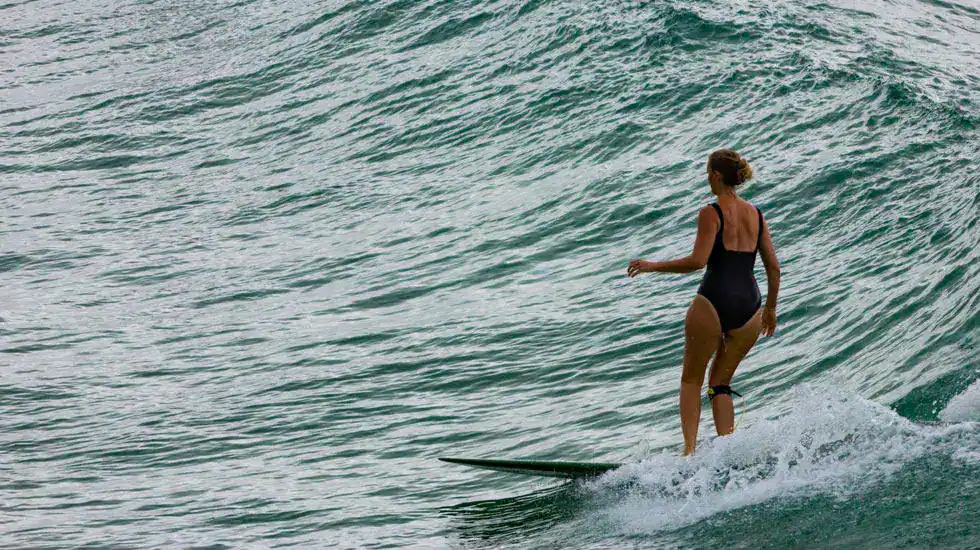
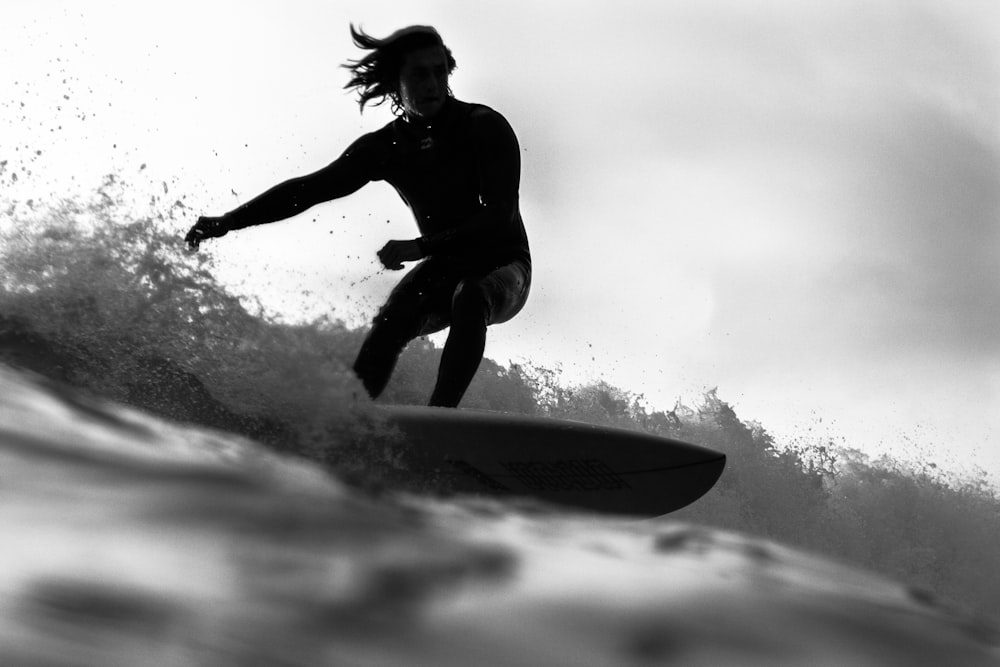
Costa Rica has world-class surf, full stop. Spots like Pavones (one of the longest left-hand waves on the planet), Witches Rock and Ollie’s Point are bucket-list breaks for intermediate and advanced surfers. If you’re experienced and chasing specific high-performance waves, Costa Rica is hard to beat.
What the glossy brochures leave out: those spots are not beginner-friendly, and they’re not always easy to reach. Witches Rock and Ollie’s Point need boat trips. Many of the best breaks are crowded, powerful, and unforgiving if you’re still learning to read a lineup.
Reading about it is one thing. Doing it is another.
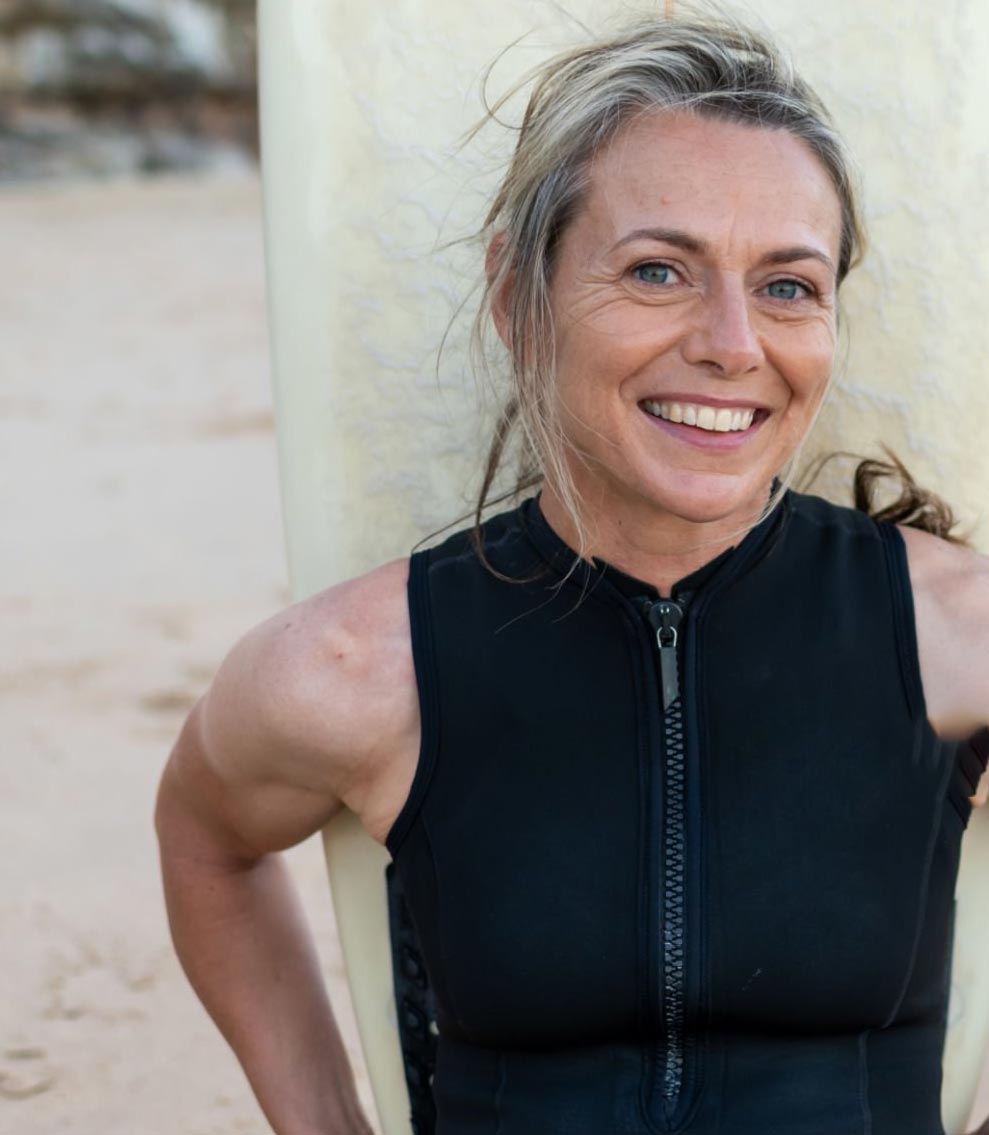
Progress your surfing
Small groups, patient coaches, and boards for every level.
Explore surfing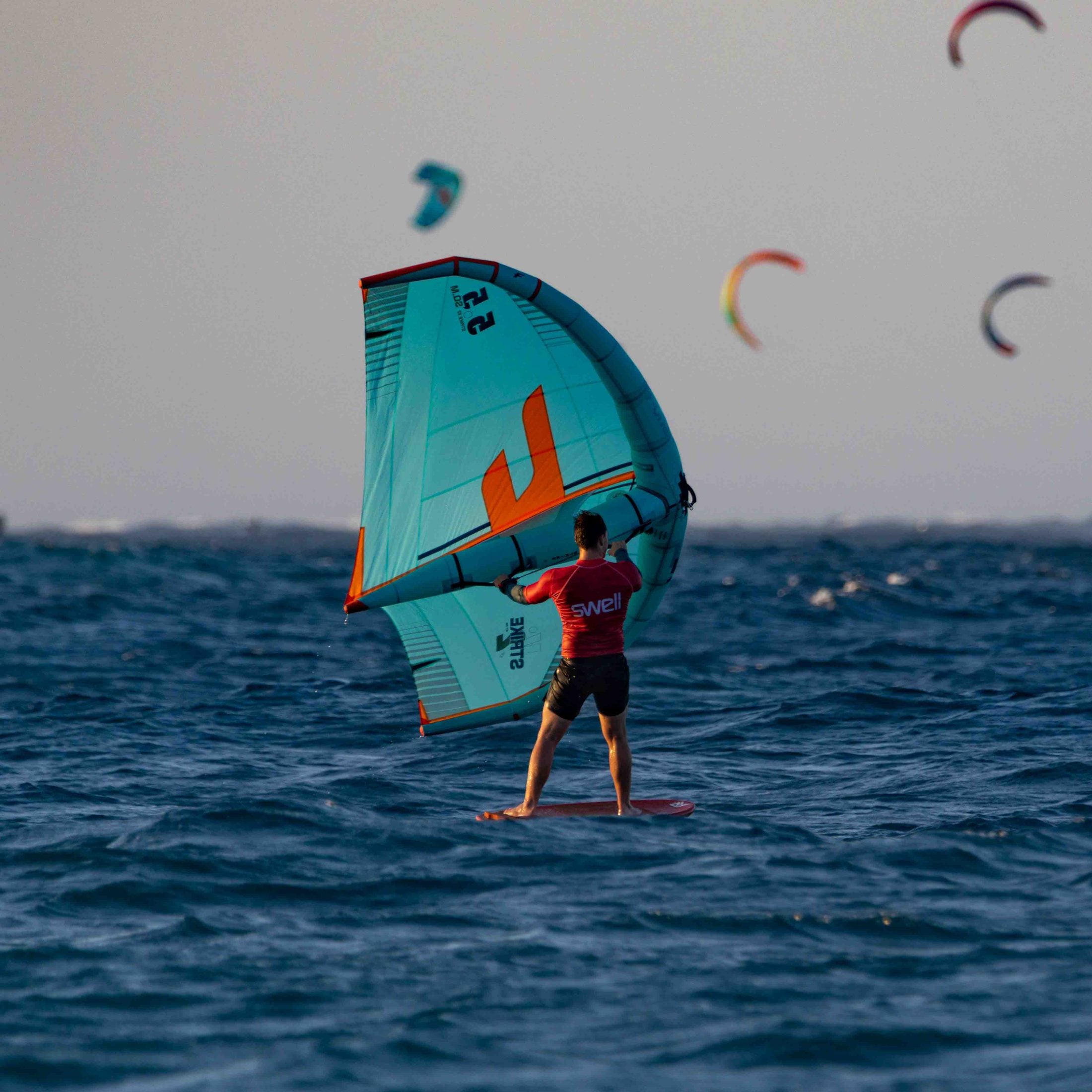
Take up wingfoiling
A new & easy to learn sport — we’ll get you flying.
Explore wingfoilingYour 'home' base
Ensuite rooms • social vibes • tasty food & large community hub.
See the retreat
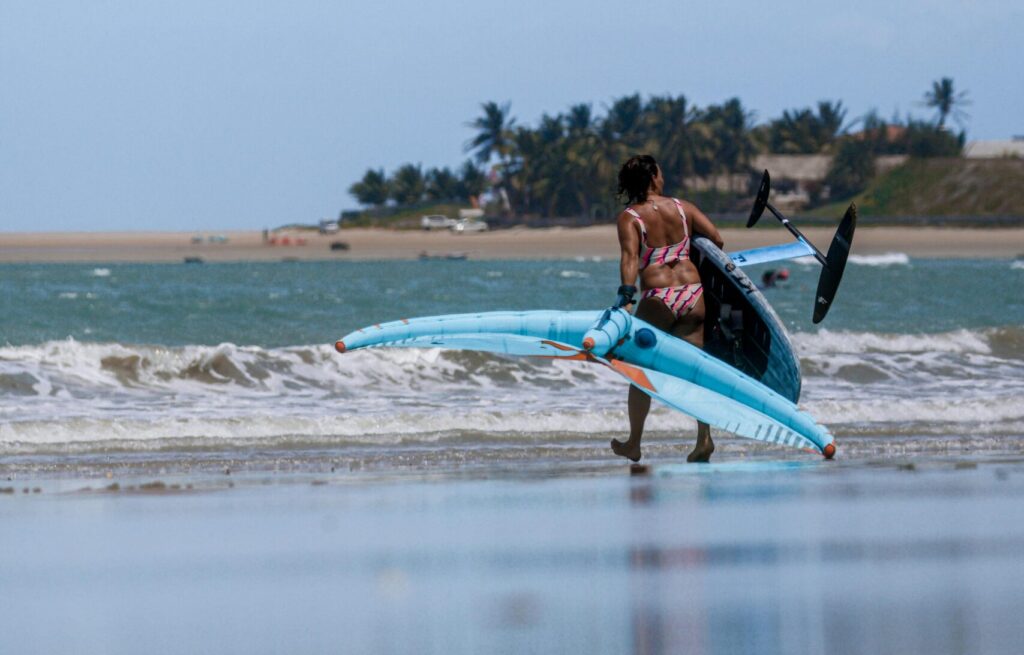
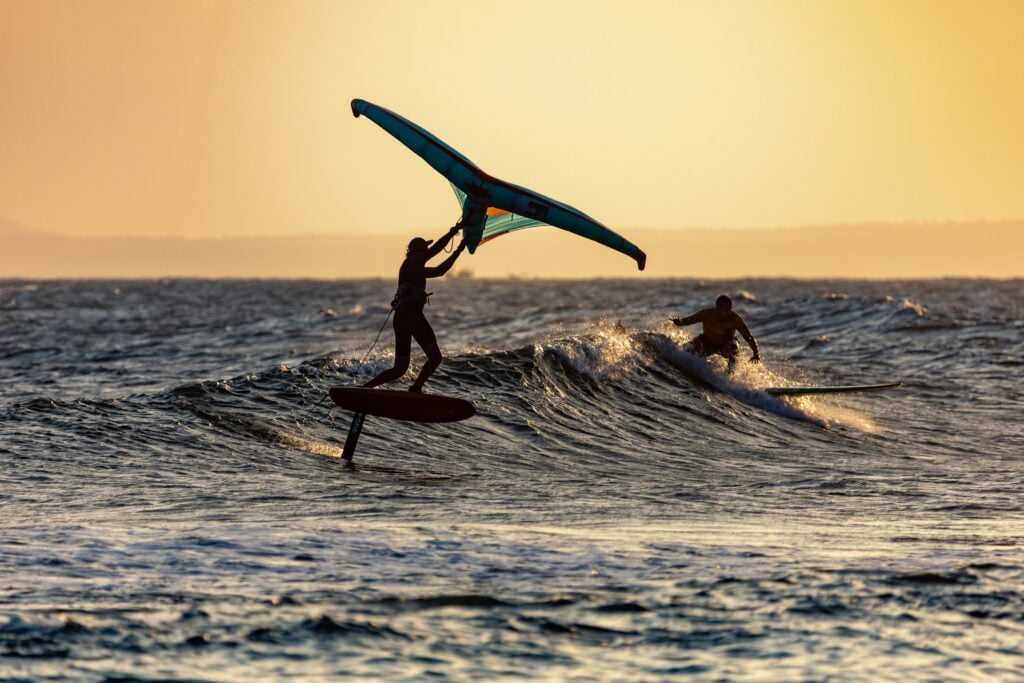
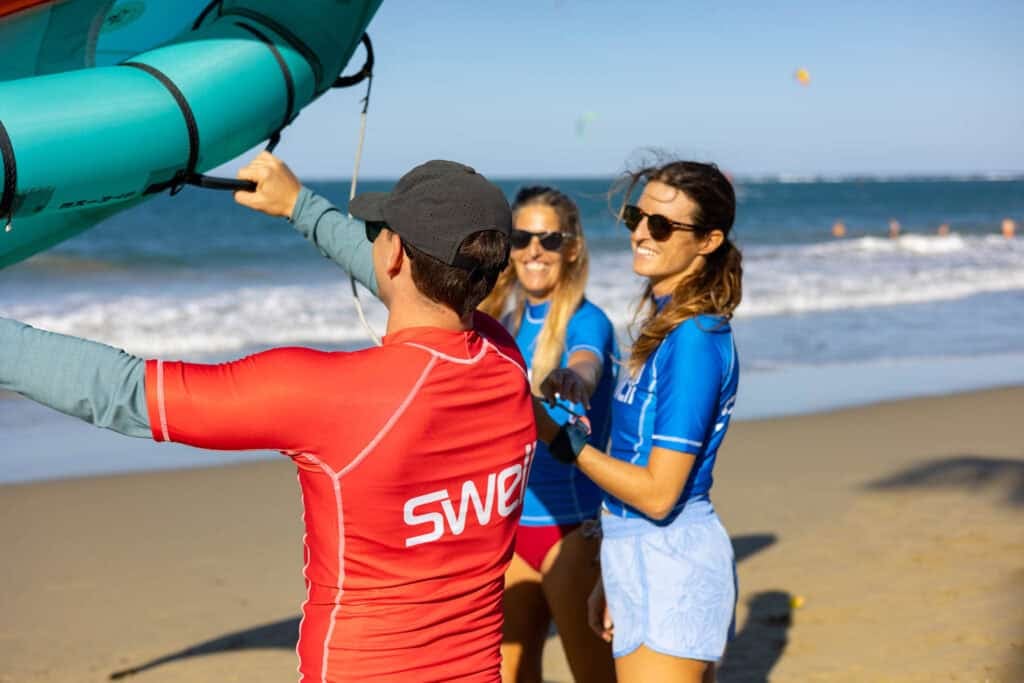
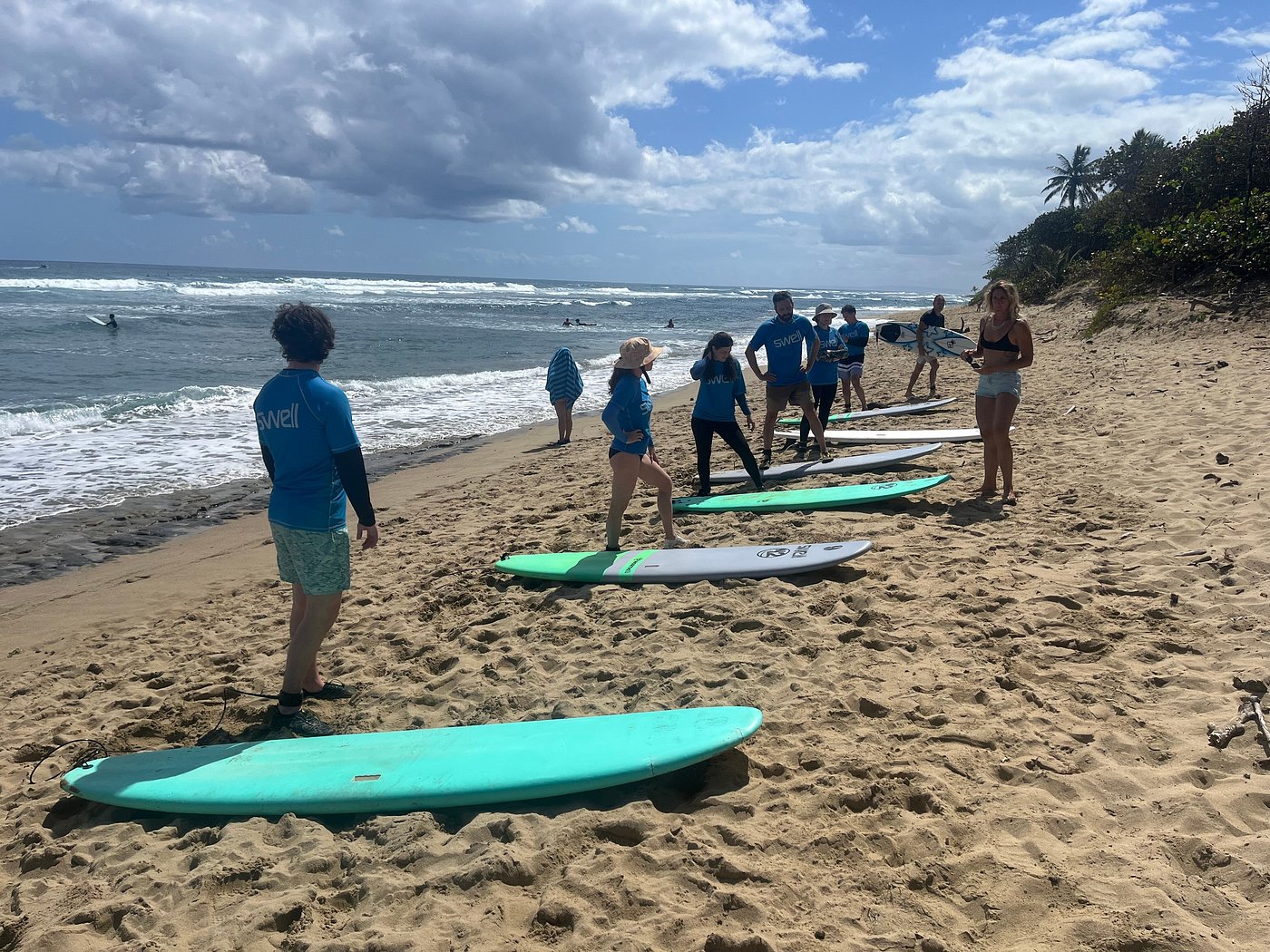
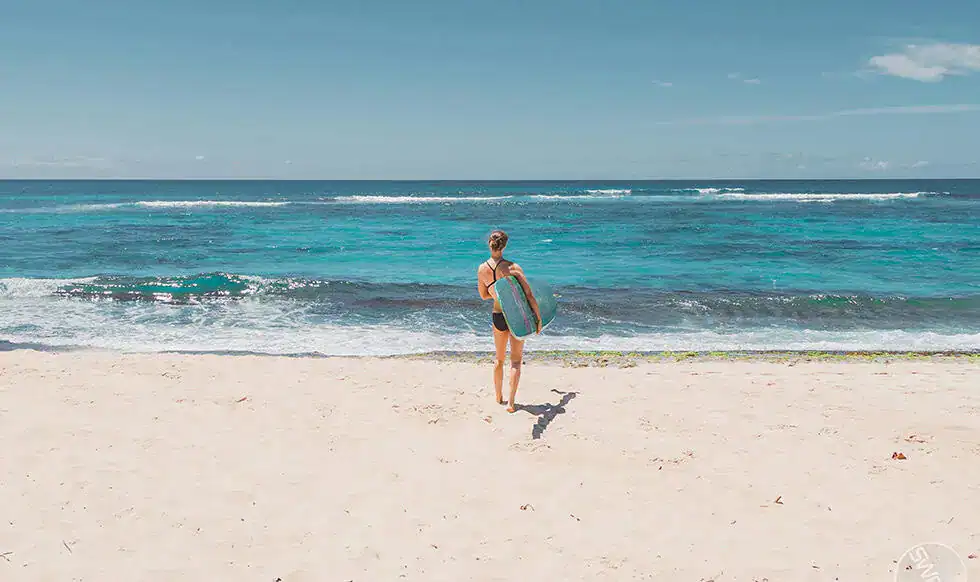
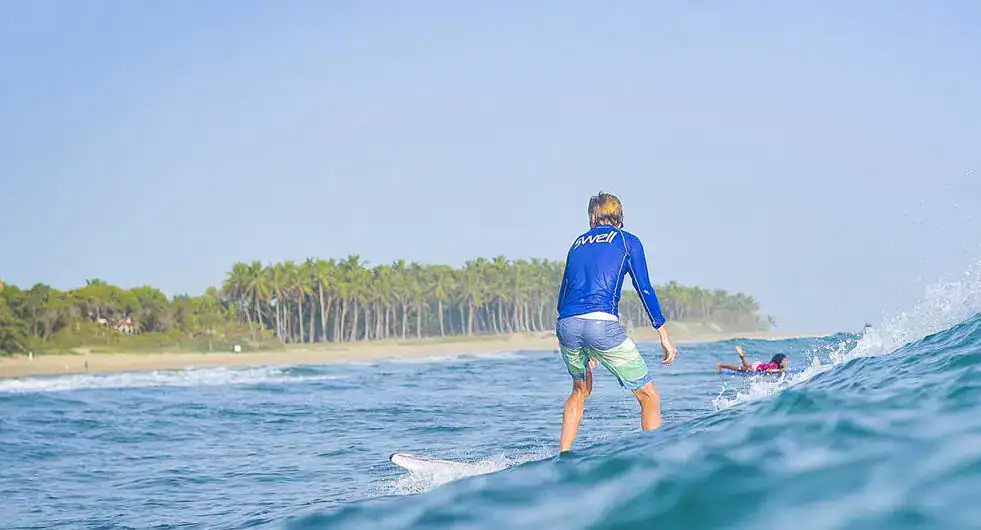
Cabarete’s Playa Encuentro, where Swell takes all its guests, is different. It’s widely rated one of the best beginner and intermediate breaks in the Caribbean: consistent, multiple peaks, forgiving wave shape, a sand bottom, and instructors who can stand nearby and coach you in real time. On top of that, Cabarete is the watersports capital of the Caribbean. After your morning surf, the trade winds kick in and you have world-class kitesurfing, wingfoiling and windsurfing on your doorstep. Few places anywhere let you surf, kite and wing in a single day, every day.
Winner: depends on level Costa Rica for experienced surfers chasing performance breaks; the Dominican Republic for beginners, intermediates, and anyone who wants variety across several watersports.
Weather and seasonality: when can you go?
Costa Rica’s Pacific coast has a real rainy season, roughly May to November, with September and October the wettest and most disruptive. The Dominican Republic doesn’t have a rainy season in the same sense: rain tends to come as short, sharp downpours that clear fast, often overnight. For year-round reliability, the DR wins.
Costa Rica’s Pacific rainy season isn’t a passing afternoon shower. From May through November it can rain hard and steadily, and during peak wet months (September and October) roads deteriorate, some camps close, and the experience takes a hit. You can read the official breakdown on the Visit Costa Rica climate guide.
The Dominican Republic doesn’t work that way. Yes, it rains — it’s the tropics — but rain tends to arrive as sharp, fast downpours that clear quickly, usually at night, with the sun straight back out. We’ve hosted guests every month of the year and would be hard pressed to point to a month that’s clearly worse than another. The trade winds keep temperatures pleasant, and Cabarete’s north-facing coast is sheltered from the worst of the Atlantic storm season.
Winner: Dominican Republic for year-round reliability. Costa Rica has a stunning dry season (December to April), but its wet season is a genuine drawback.
Cost: what does your money get you?
The Dominican Republic is notably better value. Costa Rica has become an expensive surf destination: US-dollar pricing, long transfers, and premium camps in Nosara or Santa Teresa can run into several thousand dollars per person before flights. At Swell, accommodation, breakfasts, several dinners, airport transfers, lessons and boards are bundled into one price.
Between tourism demand, US-dollar pricing, internal transfers and pricey accommodation, a week’s surf holiday in Costa Rica done properly costs more than most people expect. The Dominican Republic gives you more across the board — accommodation, food, lessons and activities are all priced more competitively. Because our packages are largely all-in, there are far fewer surprises when you arrive.
Beyond the camp, eating and drinking in Cabarete is affordable. The local food scene has come on enormously in recent years, with excellent restaurants at every price point within walking distance of Swell.
Winner: Dominican Republic better value without sacrificing quality.
The lifestyle and vibe: what are you doing all week?
Costa Rica’s most popular surf towns can feel well-worn these days. Tamarindo in particular reads like a resort town that happens to have a surf beach attached — busy, full of surf tourists, and sometimes a bit like you’ve swapped your city routine for a different routine somewhere hotter.
Cabarete is a genuine surf town. It’s been built around watersports for over 30 years without losing its Caribbean character. The food, the music, the people still feel like the Dominican Republic, not a theme-park version of it. You can walk to excellent local restaurants, buy fruit at the market, and have a beer watching the kiteboarders come in at sunset.

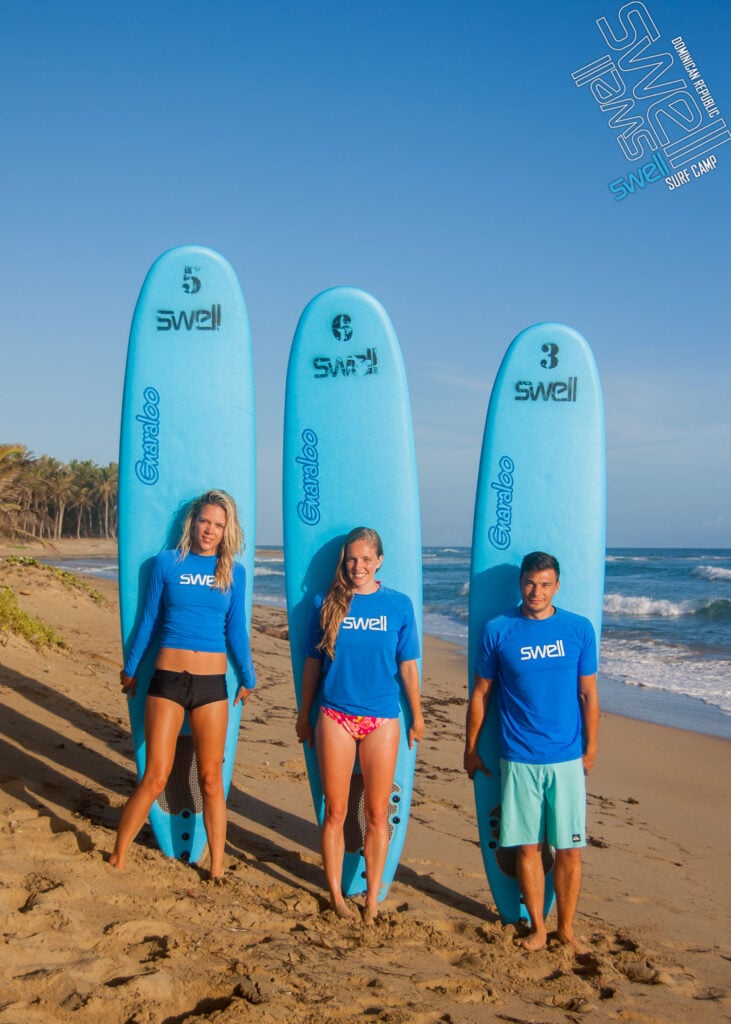
For our guests specifically — mostly working professionals, many travelling solo, roughly 35 to 60 — the social side matters enormously. Costa Rica’s camps are often more fragmented: you stay in a bungalow, show up for lessons, then go your separate ways. At Swell, the communal setup — shared meals, shared space, a group small enough that you actually get to know people — is the thing guests describe again and again as the unexpected highlight. About 70% of our guests travel solo, and they leave having made real friends.
Winner: personal preference but if an authentic local feel and a social experience matter to you, Cabarete has a real edge.
Safety and practicalities
Both destinations are safe for tourists with sensible precautions. Costa Rica has a strong safety reputation, and Cabarete is a well-established, friendly tourist town where the surf community has welcomed visitors for decades. A few practical notes in the DR’s favour:
- No special vaccinations are required for either destination if you’re arriving directly from the US, Canada, UK or Europe (yellow fever proof is only asked for if you’re arriving from certain countries in South America or Africa — see the US State Department Costa Rica page). The DR’s proximity to US hubs also tends to mean lower travel-insurance and medical-evacuation costs.
- English is widely spoken in Cabarete’s surf and tourism scene, so communication is never a problem.
- The hospital in nearby Sosúa is a 10-minute drive and has English-speaking doctors — useful context if you’re travelling solo or have health considerations.
Choosing where to learn matters more than most people realise. Warm water, gentle waves, no rips or reef and a short transfer from the airport can be the difference between standing up by the end of the week and spending your holiday fighting the ocean. Not every “surf destination” is built for a complete beginner, and the cheapest headline price often hides big group lessons, cold water and long drives between spots.
We spent 25 years and more than 20 countries working out where a first-timer actually has the best week before we built our own camp. If you’re still deciding, read our honest, first-hand guide to the best places to learn to surf for beginners — ranked on warm water, safe waves, easy access and real cost, with the trade-offs of each spot laid out plainly (yes, including our own).
Dominican Republic vs Costa Rica at a glance
| Factor | 🇩🇴 Dominican Republic | 🇨🇷 Costa Rica |
|---|---|---|
| Waves & surf | ||
| 🏄Wave quality | Draw ★★★★★ Consistent beach and reef breaks. Playa Encuentro is world-class for its reliability and forgiving for all levels. |
Draw ★★★★★ Diverse waves across two coasts. Pavones, Santa Teresa, Tamarindo — legendary, high-performance spots. |
| 📅Best season | Nov to Apr is prime; the north coast picks up Atlantic swells reliably through winter. | Dec to Apr (Pacific) and roughly May to Nov for bigger Pacific swells. |
| 📊Consistency | Edge: DR Very consistent — surfable most of the year. |
Varies by region. The Pacific can go flat; the Caribbean side is inconsistent. |
| 🎓Beginner lessons | Edge: DR Cabarete is one of the world’s best beginner surf towns, with sand-bottom peaks and patient coaching. |
Good options in Santa Teresa and Tamarindo, but more crowded and pricier. |
| Travel & logistics | ||
| ✈️Getting there | Winner ~4h direct from NY/Boston to Puerto Plata, then 25 min to Swell. |
Good US connections, but 3 to 6h ground transfer to most surf spots after landing. |
| 💰Cost | Winner Budget-friendly. All-in packages bundle rooms, meals, transfers, lessons and boards. |
One of the pricier surf destinations; premium camps run into several thousand dollars per person. |
| 🛡️Safety | Both fine Tourist zones are safe; use common sense at night. |
Both fine Strong safety reputation and established tourism. |
| Lifestyle & experience | ||
| 🎉Vibe & social side | Winner Real surf town with a communal, sociable camp scene — ~70% of Swell guests travel solo. |
More laid-back and eco-focused, but camps are often fragmented. |
| 🌲Nature & adventure | Beaches, mountains, waterfalls; whale watching Jan to Mar. | Winner Unrivalled biodiversity — rainforests, volcanoes and wildlife. |
| 🍽️Food & drink | Edge: DR Great local food and variety in Cabarete at every price point. |
Good food, but eating well costs more. |
| 🌬️Weather reliability | Winner Short, sharp showers that clear fast; dependable year-round. |
Stunning dry season, but a genuine May to Nov Pacific rainy season. |
| 👨👩👧Who it suits | Beginners & intermediates Ideal for first-timers who want lessons plus a social scene. |
Intermediate to advanced Better for experienced surfers chasing epic spots and nature. |
The honest summary
Dominican Republic
You’re a beginner or intermediate who wants quality coaching in forgiving waves, easy travel, better value, several watersports in one trip, a sociable camp, and year-round reliability. Cabarete is the perfect hub: waves by day, beach bars by night.
Costa Rica
You’re an experienced surfer chasing world-class Pacific breaks, you’re happy with longer transfers, you can travel December to April to dodge the wet season, and you have more budget to spend on rainforest adventure alongside the surf.
For our guests — and we know them well after hosting more than 9,000 people over the years — the Dominican Republic wins more often than not. Not because Costa Rica isn’t great, but because what Swell offers (structured progression, a boutique setup, huge watersport variety, and a warm community of like-minded adults) doesn’t really exist there in the same way.
Ready to surf the Dominican Republic?
Tell us your dates and who’s coming, and we’ll send a custom price and availability quote, usually within a day.
Still going back and forth between the two? Drop us a message, tell us what you’re after, and we’ll give you an honest answer — even if that answer sometimes turns out to be Costa Rica.
Dominican Republic vs Costa Rica: FAQ
Is the Dominican Republic or Costa Rica better for beginner surfers?
For most beginners, the Dominican Republic has the edge. Cabarete’s Playa Encuentro is a consistent, sand-bottomed break with forgiving wave shape and multiple peaks, so instructors can coach you in shallow water. Costa Rica’s best-known breaks tend to be more powerful, crowded and better suited to intermediate and advanced surfers.
Which is cheaper for a surf holiday, the Dominican Republic or Costa Rica?
The Dominican Republic is generally better value. Costa Rica has become one of the pricier surf destinations, and premium camps there can run into several thousand dollars per person before flights. Swell’s all-in packages bundle accommodation, breakfasts, several dinners, airport transfers, lessons and board rental, so there are fewer surprises.
How long is the flight and transfer to Cabarete compared with Costa Rica?
From New York or Boston it’s about a four-hour direct flight to Puerto Plata, then just 25 minutes to Swell. Costa Rica usually means flying into San José or Liberia and then three to six hours of ground transfer to the Pacific surf spots, sometimes including a ferry.
When is the best time of year to surf in each destination?
Cabarete is reliable year-round, with November to April the prime swell window on the north coast. Costa Rica’s Pacific coast has a dry season from December to April and bigger swells from roughly May to November, but September and October are the wettest and most disruptive months there.
Can you combine surfing with other watersports in the Dominican Republic?
Yes. Cabarete is the watersports capital of the Caribbean. You can surf in the morning, then use the afternoon trade winds for kitesurfing, wingfoiling or windsurfing — often all in the same day. That variety in one location is very hard to match in Costa Rica.
Swell is in Cabarete, on the north coast of the Dominican Republic. We run weekly surf, kitesurf and wingfoil packages for adults of all levels. Get in touch or view our packages to find out more.