SURFBOARDS FOR BEGINNERS

surfboards for beginners

BEST SURFBOARDS FOR BEGINNERS

HOW TO PICK A SUITABLE BEGINNER SURF BOARD

Now that you’ve had your first surfing lessons and have decided to continue your surfing career, how do you go about buying your first surfboards for beginners? How do you decide on what to buy?

You might get objective advice from some staff at the surf shop, but there are those who’re ready to sell anything to you, just to get their commission… or you might end up with a salesperson that knows next to nothing about surfing.

Our best surfboards for beginners recommendations in this article will be determined by certain factors – where you surf, how often you surf, and if & how often you travel for surfing.

VOLUME & BEGINNER SURFBOARDS

Volume is the most important factor when choosing surfboard for a beginner. A board with lots of volume will float better which makes it easier for learners to get to their feet and catch the waves.

Surfboard Volume
Different surfboards & their volume

A lot of people make this mistake when purchasing their first surfboard. Minimals, foam boards and longboards come with lots of volume, Shortboards and any surfboard under 6’6”, not so much.

Volume is usually measured in litres. We think a great beginner surfboard should have at least 60 litres of volume – and even better if there’s more. A minimal longboard surfboard could have between 65-80 litres or more volume. Now let’s compare it to one of those performance shortboard used by surf professionals… which might have about 6’1 x 18 ¼ inch shortboards. Its volume should be about 25 litres. If you want to enjoy a board as small as that, you’ll need a lot of surfing technique and the right waves.

Something we see on a regular basis here at Swell is from people with Snowboard experience, they assume that because they are good snowboarders: learning to surf will be easy and quick for them too. As a result, they want to skip the phase of learning on a bigger board. This will not speed up your surfing learning curve: in fact, it will do the opposite. You have to learn the basics: Paddle technique – catching waves – Riding the white water; All these things are best done on surfboard with more than 60 litres of volume.

MORE WAVES = MORE PROGRESS = MORE FUN!

Another common mistake is that after dealing with a big longboard in the water for a few days and seeing experienced surfers on their short boards, is to ‘blame their slow progress on the longboard. Yes, a long beginner’s board is not easy to turn, duck dive, or handle in white water. In the beginning of your surf career, it’s not able to take on big waves or make nice turns. In the beginning of your surfing, you should focus on 1 thing: catching as many waves as you can. Catching more waves = Quicker Progress = More fun!

surfing holiday

What you will want as a beginning surfer is to catch waves – starting from the white water, then moving to unbroken ‘green’ waves. And if you want to achieve this as a beginner, you’ll need to get a surfboard with lots of volume. So, at this stage, volume is the most important thing you need in a surfboard.

Durability is another factor to consider for beginner surfboards because you’ll probably end up knocking the board around a bit while you’re learning, which is why you might want to go with something durable.

BEGINNER SURFBOARDS CONSTRUCTION TYPES

SOFT TOP SURFBOARD

Beginner surfboards

These boards come with a soft layer of foam atop them with a slick plastic layer at the bottom.

Extremely durable

They don’t come with sharp points, which makes them safer

Best value for money

Used by practically all the surf schools


MOLDED EPOXY SANDWICH TYPE OF CONSTRUCTION

Epoxy molded surfboard

Bic, NSP & Torq ( which are surfboard brands we use for our Hardtops at Swell) are some of the common brands with this construction type. Although a lot of other brands use similar constructions, they are sometimes called “Pop-outs” because of the mould used for shaping the board’s core.

  • Very durable
  • They usually come with removable fins, which are compatible with systems like FCS or Future Fins
  • Great value is often found in packages with leash & board bags
  • Proven surfboard shapes

TRADITIONAL POLYESTER RESIN

Polyester surfboard

This has been the standard construction for surfboards for years. This surfboard has a soft foam blank shaped into it and layers of fibreglass cloth and polyester resin laminated across the top to give it a harder outer shell and make it more watertight.

  • Fairly lightweight
  • Looks every inch like the traditional surfboard
  • Available in different shapes and sizes
  • Comes with removable fins that are easily replaced
  • Dings and Cracks easily, but can also easily be repaired
  • Turns yellow-ish after a few months in the sun

EPOXY RESIN SURFBOARD

Shaping surfboard
Custom shaping an epoxy surfboard

This board is similar to the polyester boards but with a different foam for its epoxy resin and core, including a fibreglass cloth outer layer.

    • It is lighter than those polyester resin surfboards
    • More durable than polyester resin surfboards
    • Shaped like those traditional surfboards
    • Available in every shape and size
    • Comes with removable fins that are easy to replace
    • Can easily be repaired if cracked or dinged
    • Epoxy boards are lighter boards & more crack-resistant, and their outer layer is more likely to bend, not split when struck by something.

Those are the major types of construction out there, so now you understand the advantages of each construction. You can put this information into consideration when considering the shape of surfboard to pick.

RECOMMENDED SURFBOARDS FOR BEGINNERS

FOAMBOARD/ FOAMIE: LENGTH 7FT – 9FT

Surfboards for beginners

THE GOOD STUFF OF FOAM SURFBOARDS

Quite affordable

Very stable

Soft – which is safer in case you get hit by your board

Great to surf the white-water

Can easily catch most waves

THE DOWNSIDE OF FOAMIES:

Pretty heavy

Not much difference between its price and that of hard surfboards

Not great for surfing shoulder-high waves

Not easy to paddle out in bigger surfs

Not very responsive to the surfer’s input

Will not provide long-term fun

What we think of foam surfboards

Foam surfboards can be found in 6 and 7ft (for kids and folks that are lighter) including 8 and 8ft versions. The smallest length for a regular adult to lean on is 8ft. However, you should know that there are quite a number of low-quality, cheap and badly constructed foamies for sale on sites like Ali express and eBay.

PERFECT BEGINNER SURFBOARDS

Foamies are perfect for people who have never surfed before or are in their first stages of learning to surf so make a perfect first surfboard.

However, if you are going to surf on a regular basis you will grow out of the soft top with 5 to 15 surf sessions and want to move onto a hardtop, so our advice is to rent a soft top at your local surf school or join a surf camp like Swell and then move onto the hardtop boards like the ones listed below

FIBERGLASS PU OR EPOXY LONG BOARD: LENGTH 8FT – 9FT+

beginner surfboard

THE GOOD STUFF

It is faster and easier to manoeuvre than those foam boards

Can be used to learn longboard moves such as hanging 5, cross stepping, etc.

Can be used to surf bigger head waves (provided you can actually paddle out)

Should have good resale value if you ever want to sell

Some people are so in love with longboards that they want to surf forever on them

THE DOWNSIDE

If it is over 8ft long it won’t fit in most cars

Quite bulky to carry around

The fact that it is hard means it will hurt more if it hits you compared to foam boards

Harder to catch waves with them than foam boards

Most airlines don’t allow passengers to check in longboards because of their length

They work better with unbroken ‘green’ waves because they’re not designed to ride white water.

Our Thoughts:

These boards are great for intermediate surfers who want to progress from their first surf lessons on a soft top

This board will keep you entertained for 1 or 2 seasons so you can learn all the surfing fundamentals

Some People love the glide and feel of these boards that they never move onto a shorter board but will stick with this length and type of surfboards for the rest of their surfing career.

Verdict: Recommended as first surfboard/

Worth noting: Not every ‘long’ board is a suitable board for a beginner. There are a lot of high-performance longboards on the market which are geared toward the expert longboarder, they are not very good to learn on. Ask at your local surf shop or bring a friend who can tell the difference.

MINI-MAL SURFBOARDS: LENGTH 7’4 – 8’0

Mini Mal Surfboard

THE GOOD STUFF

The board is smaller so you can easily carry it around

You can fit a 7’6 into a small car

Easier to paddle it in bigger surfs compared to large foam boards

It is also quite progressive, so you can actually enjoy this board for a while

There are people who will rather surf on minimal shaped surfboards

Can be taken on planes – i.e. airlines with an 8ft limit

THE DOWNSIDE

More difficult to catch waves compared to foamies or long boards

They’re not so soft, so you might want to avoid getting hit with them

A minimal board is still a large board so it might be a little difficult to navigate high waves (though it is advisable to stick to smaller waves if you’re a beginner).

They’re slower than the smaller surfboards

Our Thoughts:

Not a bad board for someone to buy after they have had 5 or so sessions on a soft top, however, works best in this size range for lighter men, women or kids.

Verdict: Recommended as a first surfboard for any surfer!

FUN SHAPES

Fun shaped surfboards like minimals are smaller versions of longboards without their middle 2ft.
Comes with thruster and single fin options

THE GOOD STUFF

They’re easier to carry since they’re lighter than foamies and large long boards

These boards which are a little smaller than minimals are faster and easier to paddle out when the surf becomes bigger

Small enough to meet the requirements of most airlines

It is also quite progressive, so you can actually enjoy this board for a while

It is quite popular among surfers, so it has great resale value

It can fit into most cars

THE DOWNSIDE

It doesn’t have as much volume as a long board, so it would require a little more effort to actually catch waves

It is harder to learn on this board than on a longer board

Have to be surfed in more critical parts of the wave to generate enough speed and lift

Our Thoughts:

Not the quickest way to progress in your surfing, you will catch fewer waves and most likely have shorter rides than on the boards listed above. On the plus side, they do cater to a large variety of surf conditions

Verdict: Not ideal but can work as a first surfboard purchase

SHORT BOARDS

Short surf board

THE GOOD STUFF

Great designs at affordable prices

More manoeuvrable and faster than all the other boards mentioned above (fun boards, foamies, minimals and long boards).

They are light and easy to manoeuvre

Easier to duck dive with them under waves whenever you’re paddling out

Can surf both small waist high and overhead waves

They’re small enough to fit the requirements of most airlines

THE DOWNSIDE

Beginners catch very few waves

Waves need to be caught and surfed in the critical part of the wave

Very unstable in small waves

Our Thoughts:

Unless you are young, light and/ or a very very quick progressing surfer with lots of talent, it is not recommended to buy a small shortboard as your first surfboard. You will struggle learning the basics and the gap from a soft-top foamie to a shortboard is huge

Verdict: Don’t buy a standard shortboard as your first surfboard when you are still a beginner / intermediate surfer.

Our final thoughts on the best surfboards for beginners

Buying a surfboard is always a compromise, at the stage of your surf career, every surfboard has different characteristics: some work better in hollow waves, some work better in big waves etc. Starting off your first season as a surfer, we think one of the most important aspects of your surfing should be to catch as many waves as possible.

Bigger boards work well in being able to catch lots of waves and providing good stability once you are up and riding. Yes, shortboards are better for advanced manoeuvres, but…. if you can’t catch the waves in the first place you will not be pulling any fancy moves at all.

Lots of surf shops are also affiliated with a local surf school ( or run one themselves), so ask them if it’s possible to try a certain board from their rental pool before buying it.

Volume is your friend: more volume = more waves = more fun!

HOW DO I MAINTAIN AND CARE FOR MY SURFBOARD

Taking good care of your surfboard will help it last longer and perform better. Here are some simple tips to keep your board in top shape:

  1. Rinse with fresh water: After each surf session, rinse your board with fresh water to remove salt and sand.

  2. Store properly: Keep your surfboard in a cool, shaded area. Avoid direct sunlight, as it can damage the board’s material.

  3. Use a board bag: A board bag can protect your surfboard from dings and scratches during transport.

  4. Repair dings promptly: If you notice any dings or cracks, fix them as soon as possible to prevent water from seeping in.

  5. Avoid dragging: Always carry your board; dragging it can cause unnecessary wear and tear.

  6. Check the fins: Make sure the fins are secure and not damaged. Loose or broken fins can affect your surfing.

  7. Wax regularly: Keep your board waxed for better grip. Remove old wax before applying a new layer.

By following these steps, you can ensure your surfboard stays in great condition for many surf sessions to come.

QUICK QUESTIONS ABOUT BEGINNER SURFBOARDS

No results!
  • HOW LONG SHOULD A BEGINNER SURFBOARD BE?

    Aim for something around 8 to 9 feet, or roughly three feet taller than you. That size gives you tons of float, paddling speed, and the stability you need when you’re trying to stand up for the first time. It’s a no-brainer if you want to learn faster.

  • WHEN IS IT TIME TO MOVE ON FROM MY BEGINNER SURFBOARD?

    When catching waves on your soft board gets boring and you’re itching for speed or sharper turns— that’s the sign. You'll know: the board won’t hold you back anymore; you’ll be holding back your board.

  • WHAT KIND OF SURFBOARD FOR BEGINNERS IS EASIEST TO LEARN ON?

    Soft-top foam boards—or “foamies”—are hands down the safest, simplest boards to start on. They’re forgiving, buoyant, and much less painful when you inevitably smack your face. Ideal for catching your first waves.

  • HOW MUCH SHOULD I EXPECT TO SPEND ON A GOOD SURFBOARD FOR BEGINNERS?

    Expect to pay $200–$400 for a decent soft-top. Want something lighter or built to last? Epoxy or high-volume funboards cost more—$500–$800—but that’s only worth it once you know you want to stick with surfing.

  • DO I NEED FINS AND A LEASH ON A BEGINNER SURFBOARD?

    Absolutely. Fins give you control and stop you from spinning like a cork. A leash keeps the board attached, so you’re not swimming after it every wipeout. Both are non-negotiable if you actually want to learn without losing half your session.

  • I’M WATCHING MY BUDGET—SHOULD I BUY A NEW OR USED BEGINNER SURFBOARD?

    uying used can save you a chunk, but don’t get a board full of unseen dings. If you go new, stick with a soft-top from a reputable surf shop—we sell ones that cost about as much as a night of dinner and drinks but will help you catch waves all summer. Just don’t let commission-driven advice cloud your judgement.

  • HOW DO FOAM SURFBOARDS COMPARE TO FIBERGLASS OR EPOXY ONES?

    Foamies = gentle, bouncy learning platforms. Stores are forgiving. Fiberglass or epoxy boards are stiffer, faster, and feel more “alive”—but unforgiving if you bail too hard or catch your rail on your knee.

  • CAN KIDS USE THE SAME SURFBOARD FOR BEGINNERS AS ADULTS?

    Not really. Kids need smaller soft-tops—around 6 to 7 feet—so they can actually carry the thing down the beach. They still need float, but not a boat-sized log. Foam boards are perfect for safety and confidence.

  • HOW DO I MAKE MY BEGINNER BOARD LAST LONGER?

    Wash with fresh water after every session, stash it in the shade when you’re done, wax regularly, and check for dings before they become disasters. A little love goes a long way—especially if you don’t want to spend your next paycheck on a replacement.

ABOUT SWELL SURF CAMP

Located on the scenic north coast of the Dominican Republic is our purpose-built surf resort with a learn to surf package beginner surf camp package

We cater for surfers of all levels, from beginners to expert surfers who are looking for an active surf holiday

We at Swell offers full surf packages holidays

Interested in learning how to surf? Have a look at the surf vacation packages we offer for our guests at Swell Surf camp

MORE SURFBOARD INFO

Different surfboard shapes explained

Our luxury surf coaching holidays have taught 1000’s of people the sport of surfing in a safe, fun and quick way.

Share on Facebook

LEARNING TO FOIL WINGSURF

wing foil learn package

LEARNING TO FOIL WINGSURF

learn foil surfing

Unless you haven’t been paying attention to new water sports crazes, you’ve probably seen a huge increase in the number of people getting into foil boarding; whether it’s using a foil for surfing, kitesurfing, or the relatively new wing-foiling (covered in more detail below).

LEARNING TO FOIL / WINGSURF

WHAT IS A FOIL?

It was in Hawaii that the hydrofoil was first developed. The idea is to use a blade below the water to ‘lift’ the board you are using (whether it’s a SUP, kiteboard, or surfboard) clean out of the water. The board is attached to a mast which is attached to that blade. Once the blade lifts at a certain speed, the mast comes out of the water and then no part of the board is actually touching the water. We will talk about how foiling feels a little later in this article; the very reason for its existence is how that ride feels.

YouTube video

Early foil models were heavy, extremely difficult to use, and really quite dangerous. These hand-made foils were also very expensive. After several manufacturers came up with various foil models over the years, in around 2014, foil models had improved and started appearing in more numbers on local beaches. However, they were still too fast, generally unstable and very difficult to ride, as well as being expensive. Accidents were common and often resulted in nasty injuries.

The speed of design improvements has been impressive and the good news is that today, all manufacturers are building easy to use, less expensive, stable, fun foils which suit all kinds of surf/water conditions. They range from inexpensive plastic foils, through aluminium and fibreglass construction, all the way to the top-of-the-range carbon fibre foils.

Even better, many are of a modular design, meaning that you can interchange the various parts as your level of foiling improves.

HOW DOES IT FEEL TO FOIL COMPARED TO RIDING A NORMAL KITEBOARD OR SURFBOARD?

This question is rather like trying to describe how it feels the first time you ride a wave; it’s really hard to put it into words.

learn to foil

It’s like no other form of board riding you have ever undertaken before. The reason for this is that you are simply floating: Imagine gliding over a sea of soap suds where the suds keep you on top without sinking yet you can’t feel them beneath you. Your foil makes no sound at all as it carries you, there’s no slapping of water that you always get with a board in contact with water. It’s spookily quiet as you glide effortlessly through the water. People have described it as a magic carpet ride and I would have to agree.

Also, the momentum of foils and the way they travel through water means that you only need light winds for either kiting or wing-surfing. You can also travel at much faster speeds and turn further upwind or downwind than you can with a regular twin-tip kiteboard.

It’s really easy to see why kite foiling and wing-surfing are the fastest growing water sports.

WHAT MAKES LEARNING TO FOIL MORE DIFFICULT?

If you are used to riding a twin-tip kiteboard or a directional surfboard, you will know that you steer the board using your heels and toes. Only two things to remember; heels will dig in to ride upwind and toes will turn the board downwind. Let’s refer to this as the ‘roll.’

With a foil, there are three things to master. You’ve got the toe and heel operation (the roll) but you have also got a front and back axis (the pitch) to deal with. Getting the ‘pitch’ of the foil right is essential to keep the board out of the water. Too much leaning back and the foil will literally fly out of the water. Too much pressure forward and the foil will sink the board. Foils are sensitive and require only a tiny movement of your body forward or backward to completely change momentum.

The roll is also harder to come to terms with on a foil. If you can imagine the roll on a regular board occurs immediately beneath your feet and the adjustment you make results in an instant turn. With a foil, the blade is well beneath you, anything from 40cm to 110cm (depending on the length of the foil’s mast). This means that the adjustment required is larger and the turn takes longer to effect.

Then we have to look at how weird it feels to be hovering above the water. Everything you have ever learned with kiteboarding or wind-surfing is about the board being in direct contact with the ocean. The height you can achieve with a foil is at once exhilarating but it’s also scary. No matter how good you are as a kiteboarder, surfer, or windsurfer, learning to foil will make you feel like a noob all over again. It sounds like a bit of a nightmare, doesn’t it? But the reward, the reward………..your soap-suddy, dreamy cruise through the air will make all the faceplants and aching thighs well worth it. It’s just a learning curve you must go through to get to the pot of gold.

HOW DO I LEARN FOILING?

There are several different ways to learn to foil. If you already kitesurf well, then you can pick up foiling using your kite skills to generate the power required. If you are an accomplished windsurfer, then moving to wing-foiling will not be too big a step up.

If you don’t kitesurf, surf, or wind-surf already, then your options are as follows: 1. Learn to kitesurf first using a regular twin tip (this might sound difficult but actually, the learning curve with kiting is much faster than with regular surfing and progress can be rapid. 2. Learn to wing-foil (see below for our course options at Swell). The great thing about using the wing to start foiling is that control of the wing is easier and even faster to master than control of the kite. 3. Use a boat-tow to start. However, whilst using a boat to tow you might seem like a good option, in reality, it’s cheating somewhat and with this method, you won’t utilize some of the balance skills which are vital for foil control once a boat is not towing you. Another problem with a boat tow is that the boat tends to do the steering for you, so you are not learning that skill either. Lastly, unless your boat pilot is well-versed with foiling themselves, they won’t know the correct speed to keep you above the water and safe.

Whichever method you choose, you should begin your water experience with a short mast on the foil (shorter = easier). The better you get, the longer you want your mast to be. You will also use a bigger board at the beginning to give you as much stability as possible.

WINGSURF FOILING; A PERFECT INTRODUCTION TO FOILING WITH NO PREVIOUS EXPERIENCE

As we’ve mentioned above, wingsurf-foiling is an ideal choice if you don’t already kitesurf and you want to get straight into riding a foil. Wingsurfing is growing quickly in popularity and it’s easy to see why.

YouTube video

Unlike a kite, the hand-held wing is much simpler and safer to use. There are no long lines to put out, no potentially dangerous launch to master, no risk of crashing the kite and not being able to relaunch it. The equipment is easy to put together and the wing is quickly inflated. A leash attaches the wing to the rider in case of falls and handles are positioned along the center of the wing to guide it; it’s very light in the hand. In fact, there are no discernible disadvantages to using a wing to foil.

learn to wingsurf

Wings are sold in various sizes to suit wind conditions and rider size. A good wing-foiling school will have the correct size of the wing for your lessons. You will be able to wing-foil in just 12 knots of wind. All you have to do is inflate the lightweight wing and enter the water.

WHERE CAN I LEARN TO WINGSURF FOIL

SWELL LEARN TO WING FOIL COURSE

learn to wing foil

Cabarete, Dominican Republic, is already a world-renowned kite surfing destination, with steady side-on trade winds and warm Caribbean water: Now foiling is taking over as the fastest growing sport. You can come and stay with us at Swell and take a 10-hour foiling course for $795 USD (one person) or $636 USD each if two guests are learning at the same time.

More info on our learn to wingsurf course can be found here and the package pricing for learning to foil & wingsurf are here

WING FOILING IN CABARETE

Cabarete on the North coast of the Dominican Republic is one of the best wing foiling spots in the world!

Great conditions for Wing foilers of all levels

YouTube video

ABOUT SWELL


We are a purpose-built retreat for people that are looking for an active water sports holiday. We offer learn to surf, kitesurf and wingsurf packages for clients staying with Swell

More info about learning wingfoiling, or the wingfoil packages we offer

Share on Facebook

CHOOSING THE RIGHT SURFBOARD

Choosing the right surfboard

CHOOSING THE RIGHT SURFBOARD

So you’ve have had your first experience of riding waves and standing up on a surfboard and you want to take things to the next level, getting your own surfboard to continue surfing at home or to take on another surf trip.

Too much choice?

Off you go to your nearest surf shop, or perhaps you’re looking online: You’re full of enthusiasm with the thought of treating yourself to a lovely new board.

But you are confronted with an overwhelming sight: 400 different types of surfboards, in all different shapes and sizes!  Picking the right board might not be quite such an easy task after all and the pressure to make the right choice and avoid an expensive mistake can be stressful!

We see far too many people go and buy a ‘standard‘ short board, thinking ‘all good surfers are riding them, so it must be the right surfboard for me too’. The reason why many people end up buying a shortboard (too early) is that the experts make surfing on a short board look so easy; definitely a lot easier than getting through the lineup with a bigger and heavier board.  In reality, many of those guys and gals who look so cool carrying a teeny-weeny shortboard around, aren’t actually catching any waves!

So…….

“What’s the right surfboard for me?”

One of the most important aspects when buying a new surfboard is to be totally honest with yourself about your fitness level and surfing ability.  Getting on shortboard too early is not going to make your progress quicker at surfing, quite the contrary; you will find it a lot harder to catch the waves with a board that doesn’t have the correct volume to float you properly.

“If you can’t catch the wave, you ain’t going to improve your riding”

Catching lots of waves is the key to making good progress.

Below we have highlighted some of the more common surfboard shapes and talk you through each of their individual characteristics.

which surfboard is right

TOW BOARD

The tow in board started to appear in video’s with Laird Hamilton riding monster waves in Hawaii; their general use is uncommon.
Characteristics: Small, with foot-straps to stay in contact with the board in heavy chop.
Lenght: 4’8 to 6’2′
Fins: 3 or 4 fin setup
Good for: Expert surfers, who want to get towed into very big waves.
At Swell: We do not have tow in boards at Swell.  Jet ski’s and motorised watercraft are not allowed near Cabarete bay or Playa Encuentro


FISH SURFBOARD

Originally the fish was used in the 60’s and 70’s but the design made a come-back in recent years.
Characteristics: Short (usually ridden 6 or so inches less than a standard shortboard), also wide and reasonably thick, so relatively good amount of volume. Has a ‘swallow tail’
Length: 5’2 to 6’4′
Fins: 2 big ‘keel’ fins or 4 fins
Good for: Surfers who want an alternative way of riding waves.  The fish is renowned for use in smaller, mushier waves, but can also be great in larger waves.  They tend to have more volume than a regular shortboard, so it makes paddling easier and getting into the wave easier too.
At Swell: We have a couple of fish boards at Swell in our rental pool, they work well in the mellow summer waves & as an alternative to a longboard.

shortboard surfingSHORTBOARD

The standard shortboard evolved from the fish surfboards in the 80’s when Simon Anderson invented the 3 fin thruster set up
Characteristics: Versatile board that works in a variety of waves. Quick to maneuver and generates speed very fast
Length: 5’8 to 6’8′
Fins: 3 fin or 4 fin (quad) set up
Good for: Advanced surfers who want to perform speedy, sharp bottom turns and ‘off the lip’ manuevers + many more tricks.
At Swell: We have a couple of standard shortboards in the rental pool between 6’4′ and 6’8′ for advanced surfers. Works best in winter time when the waves are bigger and have more power.

HYBRID

‘In-between board’ for people that want the maneuverability of a shortboard, but the wave catching ability of a bigger board. Good all-round board or a board to narrow the gap between a bigger board and a shortboard
Characteristics: Scaled up version of the standard shortboard, wider and with more volume to make paddling/wave catching easier.
Lenght: 6’6′ to 7’2
Good for: People who want to make the transition to a shorter board; intermediates.
At Swell: We have some hybrid surfboards in our rental pool.

MINI GUN SURFBOARDMINI GUN (OR STEP UP)

Bigger boards for bigger waves.
Characteristics: Longer than a shortboard, narrower and normally a round or pin tail for speed.
Length: 6’6 to 8’0
Good for:Surfers who want to get barrelled in fast and big waves. Mostly used in Australia, Hawaii and Indonesia
At Swell: We have one 6’6′ step up, but it rarely gets used.

EGG SURFBOARDEGG

Popular design from the 60’s and 70’s; looks like a mini-mal but is more performance-orientated.
Characteristics: Narrower in the nose than a mini-mal and usually also has less volume
Length: 7’6 to 8’2′
Fins: 1 or 3
Good for: Surfers who want a more retro-surfing experience
At Swell: We have one egg in our rental pool.

MINI MALMINI MAL

Smaller version of the longboard, little less volume
Characteristics: A bit less ‘glide’ than a longboard, but more maneuverability
Length: 7’6 to 8’2′
Good for: Cruisey-style of surfing for slow & small waves
At Swell: We have a large range of mini-mals at Swell, from NSP and Torq Surfboards, and they fit the surfing conditions of Playa Encuentro perfectly.

LONGBOARDLONGBOARD

The original 60’s longboard is still very popular.  For learning, these boards have more volume and are covered in a soft EVA deck, for safety and added volume.
Characteristics: Great wave-catching ability, long glides, work best in waves that are not too steep
Length: 9’0 to 9;6

DIFFERENT LONGBOARD SHAPES

which surfboard is right
Good for: Surfers who are after a long, cruisey-glide; this is a board that catches a lot of waves
At Swell: We have several long boards in our rental pool, from high performance boards to beginner soft-tops in the 9’0 range.

BIG WAVE GUNBIG WAVE GUN (aka. RHINO CHASER)

A scaled-up version of the mini-gun
Characteristics:  Very long & narrow
Length: 9’0 to 11’6
Good for: Surfers who want to catch the biggest waves without the help of a jet ski, then this is the board you need.  It is strictly speaking a long board but should not to be mistaken for the kind of longboard most people would want: Just because it’s long does not make it a good board for learning to surf, or for those cruisey-rides in small surf.
At Swell: No need for a big wave gun at Swell,  the waves in the Dominican Republic never get the size that a board like this is needed


Conclusion: There is no one-size-fits-all for surfboards.

To make sure that you buy the right surfboard: talk to a couple of different surf shop owners or local surfboard shapers, and be honest about your goals and current skill set. Renting a board  (or borrowing from a friend) is also a good way of finding out if the board is right for you.

To get a guide on what is the right amount of volume for your next surfboard, check this chart

Surf Volume Weight Chart

At Swell, we have a large variety of surfboards, so Swell clients can change boards during their stay and experience the different feel of each surfboard.
More information on our surfboards can be found here.


QUESTIONS

No results!
  • HOW DO I KNOW WHAT SURFBOARD VOLUME IS RIGHT FOR ME?

    The right surfboard volume depends on your weight, fitness level, and surfing ability. Higher volume boards provide better flotation and wave-catching ability, making them ideal for beginners and intermediate surfers. Lower volume boards offer more maneuverability but require better technique and fitness. When choosing a board, prioritize catching lots of waves over looking cool with a smaller board - wave count is key to improving your surfing skills.

  • HOW DO FIN SETUPS AFFECT SURFBOARD PERFORMANCE?

    Different fin setups dramatically impact how a surfboard performs in the water. Single fin setups (common on longboards and eggs) provide smooth, flowing rides with less drag but limited maneuverability. The classic 3-fin thruster setup, invented by Simon Anderson in the 1980s, offers the best balance of control, speed, and maneuverability for most conditions. Fish boards typically use either 2 large "keel" fins or a 4-fin setup, which provides speed and drive in smaller waves. Quad (4-fin) setups generate more speed and work well in both small and large waves, while offering a looser, more skateboard-like feel compared to thrusters.

  • WHAT IS A HYBRID SURFBOARD AND WHO SHOULD USE IT?

    A hybrid surfboard (6'6" to 7'2") is an "in-between board" that combines the maneuverability of a shortboard with the wave-catching ability of a larger board. It's essentially a scaled-up version of a standard shortboard - wider with more volume to make paddling and wave catching easier. Hybrid boards are perfect for intermediate surfers wanting to transition from a larger board to a shortboard, offering a good all-around performance.

  • WHEN SHOULD I CONSIDER USING A MINI-GUN OR STEP-UP SURFBOARD?

    A mini-gun or step-up surfboard (6'6" to 8'0") is designed for bigger waves and more challenging conditions. These boards are longer than shortboards but narrower, typically featuring a round or pin tail for increased speed and control. They're primarily used by experienced surfers in locations with fast, powerful waves like Australia, Hawaii, and Indonesia. If you're surfing consistently overhead waves with significant power, a step-up board can provide the stability and paddle power needed for these conditions.

  • WHAT'S THE DIFFERENCE BETWEEN A SHORTBOARD AND A FISH SURFBOARD?

    A shortboard (5'8" to 6'8") is the standard performance board that evolved from fish surfboards in the 1980s. It features 3 or 4 fins and is designed for advanced surfers wanting quick maneuverability and speed. A fish surfboard (5'2" to 6'4") is typically ridden 6 inches shorter than a standard shortboard but is wider and thicker with more volume. Fish boards have a distinctive swallow tail and work exceptionally well in smaller, mushier waves while being easier to paddle than regular shortboards.

  • WHAT MAKES LONGBOARDS BETTER FOR LEARNING TO SURF THAN SHORTBOARDS?

    Longboards (9'0" to 9'6") are superior for learning because they offer exceptional wave-catching ability and stability due to their high volume and length. Unlike shortboards that require precise technique and timing, longboards provide a forgiving platform that allows beginners to focus on fundamental skills like paddling, positioning, and standing up. The extra foam and surface area make it easier to catch waves in various conditions, and the stable platform reduces the learning curve significantly. Many learning-focused longboards also feature soft EVA deck padding for added safety and comfort during the learning process.

  • WHAT WAVE CONDITIONS WORK BEST FOR DIFFERENT SURFBOARD TYPES?

    Each surfboard type is optimized for specific wave conditions. Fish surfboards excel in smaller, mushier waves where their width and volume help generate speed, though they can also perform well in larger surf. Shortboards work best in steeper, more powerful waves that allow for quick, sharp maneuvers and high-performance surfing. Longboards and mini-mals are ideal for smaller, less steep waves where their glide and wave-catching ability shine. Mini-guns and step-ups are specifically designed for bigger, faster waves where extra length provides the paddle power and speed needed to catch and ride powerful surf safely. Hybrid boards offer versatility across a wider range of conditions, making them excellent all-around choices.

  • SHOULD I BUY OR RENT A SURFBOARD WHEN STARTING OUT?

    Renting or borrowing surfboards is highly recommended when starting out, as it allows you to experience different board types and find what works best for your style and ability level. Visit multiple surf shops and speak with experienced surf shop owners or local shapers - be honest about your goals and current skill set. This hands-on approach helps you avoid expensive mistakes and ensures you choose the right board when you're ready to purchase. There's no one-size-fits-all solution for surfboards, so testing different options is crucial.

  • WHAT TYPE OF SURFBOARD SHOULD A BEGINNER CHOOSE?

    Beginners should choose a longboard (9'0" to 9'6") or mini-mal (7'6" to 8'2") with high volume and stability. These boards offer excellent wave-catching ability and are often covered in soft EVA deck material for safety. The key is being honest about your fitness level and surfing ability - avoid the temptation to buy a shortboard too early, as insufficient volume will make it much harder to catch waves and slow your progression. Remember: if you can't catch the wave, you won't improve your riding.

ABOUT SWELL SURF CAMP

Located on the scenic north coast of the Dominican Republic is our purpose-built surf resort

We cater for surfers of all levels, from beginners to expert surfers who are looking for an active surf holiday

Swell offers full surf packages holidays

If you have any questions about this article, send us an email with your thoughts, and feel free to share it on your favourite social media site.


Share on Facebook

WHAT SURFBOARD SHAPE IS RIGHT FOR YOU?

WHAT SURFBOARD SHAPE

WHAT SURFBOARD SHAPE IS RIGHT FOR YOU?

It’s no longer mainstream to ride only high-performance shortboards. In fact, it’s no longer mainstream to ride anything mainstream. Today, at any given lineup you will, of course, find your standard shortboards, but you will also be met with a plethora of fun size crafts, grovelers, twin fins, stand up paddle boards, soft tops, and even foils. The recent eruption in popularity of the alternative surf craft has done wonders for the advancement of fun, which is what surfing is really all about.

There’s no point in trying to force your 6’0” leaned out thruster to go on a two-foot day. There’s no fun involved in stomping repeatedly down the face of a wave with your front foot, only to have the wave close out on you because you couldn’t make the section. Riding boards that are designed for the waves you’re actually riding will increase your fun levels tenfold, especially when you have the ideal board for your skill level.

LONGBOARD

A longboard is anything 9 feet and over. Traditionally, longboards have single fins, but now it is common to see longboards with a “two plus one” set up. Meaning two thruster style fins with a traditional large single fin in the middle.

Longboards are truly an every man’s tool. All surfers start out on them, they’re excellent for learning. But plenty of advanced surfers choose to ride longboards as well.

SKILL OF RIDER
As previously mentioned, longboards are the perfect option for beginners. Ideally, a first-time surfer will start out on a soft top, and then progress to a traditional longboard. Longboards are also a great option for advanced surfers who enjoy cruisy rides and want to improve their style. Nothing is more stylish than a skillful long boarder cross stepping his or her way to the noise of their board.

OPTIMAL WAVE TYPE AND SIZE
While a truly talented longboarder will take out their trusty log no matter if its 6 inches or 6 feet, most of us turn to longboards when the surf is just a bit too small for a traditional shortboard. Longboards make even the most petite swells enjoyable and riding a longboard (or any board that will increase your wave count) will help improve your understanding of wave mechanics.

Longboard

WHAT TO EXPECT While riding a longboard, you can expect long, cruisy, drawn-out lines. You will also have the ability to catch and ride small waves that would otherwise be considered uncatchable.

LONGBOARD SURFING VIDEO

YouTube video

FUN SHAPE

funshape surfboard

Fun shape boards are called fun size for a reason, they make what would be otherwise dull surf amusing. A fun size board is high in volume, wide, and has thick rails. A fun size board stands anywhere from 6’6” to 8’6” in height. One of the most popular fun size shapes is the egg shape, which is often called the “mini-Malibu for its similarities to a longboard.

SKILL OF RIDER

Fun shape boards are a great option for beginner surfers who are looking to progress towards a smaller board. If you have mastered the popup and you can ride clean lines down the face of the wave, then a fun size board will be a great fit for you. Similar to longboards, fun shape boards will give intermediate and advanced surfers a thrill on relatively small days.

OPTIMAL WAVE TYPE AND SIZE

As stated earlier, fun size boards can make a relatively small wave day a lot of fun. That being said, there are a select number of surfers who ride mid-size boards on hollow, barreling days.

Surfing (2)

WHAT TO EXPECT

Fun size boards offer a similar feel to longboards, with a bit of added performance. Long cruisy rides are met with increased maneuverability that is made possible by the reduced length of the board. Fun size boards offer beginner surfers a chance to begin to learn to carve and turn in the same vein as you would on a shorter board, while still providing plenty of stability.

GROVELER 

groveler surfA groveler may appear to be just a standard shortboard, but upon closer inspection, you will find that a groveler is typically shorter and stubbier than the average high-performance shortboard. What this means is that while grovelers may be ridden at a reduced length, they have an increased width, thickness, and therefore more volume than normal shortboards.

SKILL OF RIDER

A groveler should be part of every surfer’s quiver, whether they are just starting out or they are a sponsored pro. Grovelers serve as a longboard replacement during the small waves of the summer season or any small day for that matter. The increased volume in a groveler allows the board to paddle easily and catch virtually any sized wave. Grovelers are also a great stepping stone for beginner/ intermediate surfers to advance their surfing. The high volume of a groveler will provide more stability than a high-performance shortboard, making them a valuable step in surf progression.

OPTIMAL WAVE TYPE AND SIZE

Grovelers excel in small waves. 2-4 feet is where you will get the most out of a groveler. Most grovelers are too thick to perform well on large waves with steep faces. There are a few exceptions of course if a groveler has a slight entry rocker and a thinned-out tail (such as the Hypto Krypto by Hayden Shapes) then they may be able to perform in larger surf.

Surf Techniques

WHAT TO EXPECT

As stated above, a groveler will make mushy, small surf more enjoyable. The increased volume allows you to catch more waves with ease. The relatively flat rocker of a groveler gives the board plenty of speed through flat/ closeout sections that would otherwise be difficult to get around. Grovelers will be a tad more cruisey than a high-performance shortboard but will still offer the necessary thrills of performance when the surf is less than ideal.

FUN SHAPE / MID LENGHT SURFING VIDEO

YouTube video

FISH

fish surfboardThe fish is an immensely popular shape that has been around since the 1970s. Fishes have a few defining characteristics that separate them from normal shortboards or grovelers. The most notable characteristics of a fish are the wide swallowtail and the twin fin (often keels) set up. Fishes also tend to have a lot of volume under the chest and somewhat flat rockers.
SKILL OF RIDER

Like the groveler, the fish will bring an ample amount of fun to any surf session. The classically drawn outlines of the swallow-tailed twin fin are some of the most stylish in surfing, making fishes popular with intermediate and advanced surfers. That being said, the fish has similar characteristics to the groveler, making it an equally as viable option for progression for those beginner/ intermediate surfers who are looking to improve.

OPTIMAL WAVE TYPE AND SIZE

Similar to any groveler, a fish will turn any small day session into something to remember. Few surfers choose to ride fishes on large days, in part due to their large wide noises, which make steep drops challenging.


FISH SURFING VIDEO

YouTube video

WHAT TO EXPECT

On a fish, you can expect long cruisy lines, plenty of speed, and a loose, skatey feel. A fish may not be able to bank turns like a high-performance shortboard, but when they’re ridden well they sure are fun to watch.


HIGH-PERFORMANCE SHORTBOARD

High-performance shortboards vary in size from about 5’4” to 6’8.” They are designed for one thing and one thing only, to turn on a dime and make the absolute most out of the open face of a wave. A good high-performance shortboard will allow surfers to fit as many turns possible into a wave while maintaining speed and control.

SKILL OF RIDER

High-performance shortboards have thin rails, pointed noises, and low volume. They take time and patience to master, meaning that only advanced surfers will truly have a good time on them.

OPTIMAL WAVE TYPE AND SIZE

There needs to be a bit of size for a high-performance shortboard to truly shine. If the surfer is 4 feet or over, then it is time to grab your trusty shortboard.

WHAT TO EXPECT

High-performance shortboards are generally thin, with low rails, and rockered out. This gives them the ability to turn on a dime and carve up and down the face of a wave with ease. If you’re riding a high-performance shortboard for the first time, expect to work a lot to generate speed and set up each manoeuvre, but know that if you get that cut back just right, it will feel amazing.

WHAT SURFBOARD SHAPE IS RIGHT FOR YOU?

There is no right or wrong in the surfboard shape you choose, our advice is to try out the different surfboard shapes in various conditions and see which one suit your style and surfing ability best. Or don’t choose and mix and match boards to the right conditions or state of mind you are into. Some days are better for glide or speed, others are better for a high-performance approach. Whatever you do, make sure to have fun, since that is essentially what surfing comes down to.; putting a smile on your face.

At Swell, we have an extended surfboard rental pool for people that already know how to surf and don’t want to travel to the Dominican Republic with their surfboard. Our range exists of 25+ boards ranging from 5’10’ fishes to 9’6′ performance longboards and everything in between. Never surfed before? Have a look at the learn to surf and surf coaching packages we offer Surfboards for beginners we have too. Links and resources: Mollusk surfboards sell some of the best looking ‘alternative’ surfboards. Channel Islands is one of the leading manufacturers of high-performance shortboards


QUESTIONS

No results!
  • HOW DO I KNOW WHAT SURFBOARD VOLUME IS RIGHT FOR ME?

    The right surfboard volume depends on your weight, fitness level, and surfing ability. Higher volume boards provide better flotation and wave-catching ability, making them ideal for beginners and intermediate surfers. Lower volume boards offer more maneuverability but require better technique and fitness. When choosing a board, prioritize catching lots of waves over looking cool with a smaller board - wave count is key to improving your surfing skills.

  • HOW DO FIN SETUPS AFFECT SURFBOARD PERFORMANCE?

    Different fin setups dramatically impact how a surfboard performs in the water. Single fin setups (common on longboards and eggs) provide smooth, flowing rides with less drag but limited maneuverability. The classic 3-fin thruster setup, invented by Simon Anderson in the 1980s, offers the best balance of control, speed, and maneuverability for most conditions. Fish boards typically use either 2 large "keel" fins or a 4-fin setup, which provides speed and drive in smaller waves. Quad (4-fin) setups generate more speed and work well in both small and large waves, while offering a looser, more skateboard-like feel compared to thrusters.

  • WHAT IS A HYBRID SURFBOARD AND WHO SHOULD USE IT?

    A hybrid surfboard (6'6" to 7'2") is an "in-between board" that combines the maneuverability of a shortboard with the wave-catching ability of a larger board. It's essentially a scaled-up version of a standard shortboard - wider with more volume to make paddling and wave catching easier. Hybrid boards are perfect for intermediate surfers wanting to transition from a larger board to a shortboard, offering a good all-around performance.

  • WHEN SHOULD I CONSIDER USING A MINI-GUN OR STEP-UP SURFBOARD?

    A mini-gun or step-up surfboard (6'6" to 8'0") is designed for bigger waves and more challenging conditions. These boards are longer than shortboards but narrower, typically featuring a round or pin tail for increased speed and control. They're primarily used by experienced surfers in locations with fast, powerful waves like Australia, Hawaii, and Indonesia. If you're surfing consistently overhead waves with significant power, a step-up board can provide the stability and paddle power needed for these conditions.

  • WHAT'S THE DIFFERENCE BETWEEN A SHORTBOARD AND A FISH SURFBOARD?

    A shortboard (5'8" to 6'8") is the standard performance board that evolved from fish surfboards in the 1980s. It features 3 or 4 fins and is designed for advanced surfers wanting quick maneuverability and speed. A fish surfboard (5'2" to 6'4") is typically ridden 6 inches shorter than a standard shortboard but is wider and thicker with more volume. Fish boards have a distinctive swallow tail and work exceptionally well in smaller, mushier waves while being easier to paddle than regular shortboards.

  • WHAT MAKES LONGBOARDS BETTER FOR LEARNING TO SURF THAN SHORTBOARDS?

    Longboards (9'0" to 9'6") are superior for learning because they offer exceptional wave-catching ability and stability due to their high volume and length. Unlike shortboards that require precise technique and timing, longboards provide a forgiving platform that allows beginners to focus on fundamental skills like paddling, positioning, and standing up. The extra foam and surface area make it easier to catch waves in various conditions, and the stable platform reduces the learning curve significantly. Many learning-focused longboards also feature soft EVA deck padding for added safety and comfort during the learning process.

  • WHAT WAVE CONDITIONS WORK BEST FOR DIFFERENT SURFBOARD TYPES?

    Each surfboard type is optimized for specific wave conditions. Fish surfboards excel in smaller, mushier waves where their width and volume help generate speed, though they can also perform well in larger surf. Shortboards work best in steeper, more powerful waves that allow for quick, sharp maneuvers and high-performance surfing. Longboards and mini-mals are ideal for smaller, less steep waves where their glide and wave-catching ability shine. Mini-guns and step-ups are specifically designed for bigger, faster waves where extra length provides the paddle power and speed needed to catch and ride powerful surf safely. Hybrid boards offer versatility across a wider range of conditions, making them excellent all-around choices.

  • SHOULD I BUY OR RENT A SURFBOARD WHEN STARTING OUT?

    Renting or borrowing surfboards is highly recommended when starting out, as it allows you to experience different board types and find what works best for your style and ability level. Visit multiple surf shops and speak with experienced surf shop owners or local shapers - be honest about your goals and current skill set. This hands-on approach helps you avoid expensive mistakes and ensures you choose the right board when you're ready to purchase. There's no one-size-fits-all solution for surfboards, so testing different options is crucial.

  • WHAT TYPE OF SURFBOARD SHOULD A BEGINNER CHOOSE?

    Beginners should choose a longboard (9'0" to 9'6") or mini-mal (7'6" to 8'2") with high volume and stability. These boards offer excellent wave-catching ability and are often covered in soft EVA deck material for safety. The key is being honest about your fitness level and surfing ability - avoid the temptation to buy a shortboard too early, as insufficient volume will make it much harder to catch waves and slow your progression. Remember: if you can't catch the wave, you won't improve your riding.

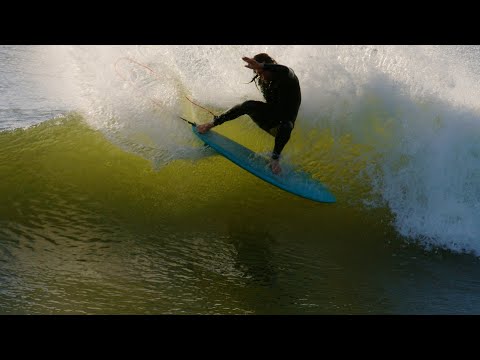
SURF VIDEO SURFBOARD TEST

YouTube video

Interested in changing your life to see the health benefits of learning to surf?

learn to surf holiday


Share on Facebook