WHY NOW IS THE BEST TIME TO LEARN TO SURF

Learn to surf

Surfing is not just a sport; it’s a lifestyle that brings joy, fitness, and a sense of community. Whether you’re young or old, learning to surf can be a transformative experience. With the right guidance and equipment, anyone can ride the waves and enjoy the myriad benefits that come with it. This article explores why you should learn to surf this year, covering everything from beginner surf camps to the health benefits, essential gear, and overcoming common fears.

Key Takeaways

  • Beginner surf camps are ideal for new surfers, providing structured lessons and a supportive environment.
  • Surfing offers numerous health benefits, including improved physical fitness, mental well-being, and enhanced coordination.
  • Choosing the right surfboard and gear is crucial for a successful and enjoyable surfing experience.
  • Overcoming fears and building confidence in the water are essential steps in becoming a proficient surfer.
  • Surfing is a social activity that allows you to meet new people, join communities, and even enjoy family time together.

Discover the Joy of Beginner Surf Camps

Learn to surf

Why Beginner Surf Camps Are Perfect for Newbies

Beginner surf camps are an excellent way to dive into the world of surfing. These camps are designed to cater to those who are just starting out, providing a supportive and structured environment. Surf lessons are tailored to help you grasp the basics quickly, ensuring you have a solid foundation to build upon. Plus, you’ll be surrounded by fellow beginners, making it a fun and social experience.

What to Expect at a Beginner Surf Camp

When you sign up for a beginner surf camp, you can expect a mix of practical and theoretical learning. Daily surf lessons will be complemented by on-land training sessions where you’ll learn about wave dynamics, paddling techniques, and surf etiquette. Most camps also offer additional activities like yoga sessions to help improve your flexibility and balance.

The best part? You’ll get to practice in a safe, controlled environment with experienced instructors guiding you every step of the way.

Finding the Right Surf Camp for You

Choosing the right surf camp can make all the difference in your learning experience. Look for camps that offer small group sizes to ensure personalized attention. It’s also a good idea to check out reviews and testimonials from past participants. If you’re looking for a more immersive experience, consider a surf coaching holiday where you can combine your surf lessons with a relaxing vacation.

Remember, the goal is to find a camp that aligns with your learning style and comfort level. So, do a bit of research and pick a camp that feels like the perfect fit for you.

Health Benefits of Learning to Surf

Boost Your Physical Fitness

When you learn to surf, you’re not just picking up a new hobby; you’re engaging in a full-body workout. Surfing strengthens your neck, arm, shoulder, leg, and core muscles. You’ll notice some post-workout soreness, but that’s just your body getting stronger. Plus, all that paddling and popping up on your board is a fantastic cardio workout that gets your heart pumping.

Improve Your Mental Well-being

Surfing isn’t just great for your body; it’s also a boon for your mind. The feeling of catching a wave can improve your mood, make you feel energized, and help you forget about the stresses of daily life. The natural daylight exposure, fresh air, and exercise will get your endorphins flowing, which can help alleviate depression and stress.

Imagine the joy of a family surf vacation in the Caribbean with Swell Surf Camp, where kids can quickly pick up surfing skills and everyone can experience the spiritual joy and lifelong benefits of surfing.

Enhance Your Coordination and Balance

Learning to surf requires a lot of balance and coordination. As you practice, you’ll find that these skills improve significantly. This not only helps you become a better surfer but also benefits other areas of your life. Improved coordination and balance can help you age more gracefully and reduce the risk of falls and injuries.
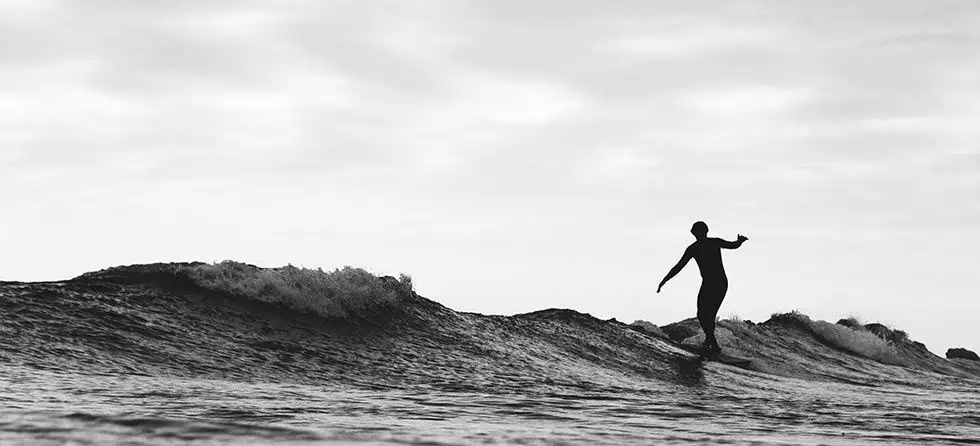
surf lessons

Essential Gear for Beginner Surfers

Choosing the Right Surfboard

When you’re just starting out, selecting the right surfboard is crucial. Look for longer, thicker, and wider boards because they provide the most stability and make learning easier. Avoid smaller boards as they are more difficult to manage and can lower your confidence. Your local surf shop can help you determine the suitable size and shape of a surfboard for your needs and abilities.

Must-Have Accessories for New Surfers

To make the most of your surfing experience, you’ll need a few essential accessories:

  • Leash: Keeps your board attached to you, preventing it from drifting away.
  • Wax: Provides grip on your board, making it easier to stand up and stay balanced.
  • Reef-safe sunscreen: Protects your skin from harmful UV rays while being environmentally friendly.

Wetsuits and Rash Guards: What You Need to Know

A good wetsuit is essential for keeping you warm in cooler waters. They come in various thicknesses, so choose one that suits the water temperature you’ll be surfing in. Rash guards are also important as they protect your skin from irritation caused by the surfboard and sun. Investing in a decent wetsuit and rash guard will make your surfing sessions more comfortable and enjoyable.

Remember, having the right gear can make a significant difference in your surfing journey. It not only helps you progress faster but also ensures you stay safe and comfortable in the water.

Overcoming Common Surfing Fears

Dealing with the Fear of Waves

Facing the ocean can be intimidating, especially when you’re just starting out. It’s natural to feel a bit scared when you see those waves rolling in. Start by practicing in smaller waves and gradually work your way up. Remember, the more time you spend in the water, the more comfortable you’ll become.

Building Confidence in the Water

Confidence in surfing doesn’t come overnight. It builds as you gain more experience and improve your skills. Focus on small victories, like standing up on your board or catching a wave. These moments will boost your confidence and make you feel more at ease in the water.

Surfing provides a unique confidence boost. When it’s you and your board against the mighty ocean, you learn to respect the waves and build courage.

Learning from Surfing Mistakes

Mistakes are part of the learning process. Every surfer, no matter how experienced, has wiped out countless times. The key is to learn from these mistakes. Reflect on what went wrong and how you can improve. This mindset will help you progress faster and enjoy the journey. For more tips, check out the article on 7 common surf mistakes, and how to fix them by Swell Surf Camp]

The Social Side of Surfing
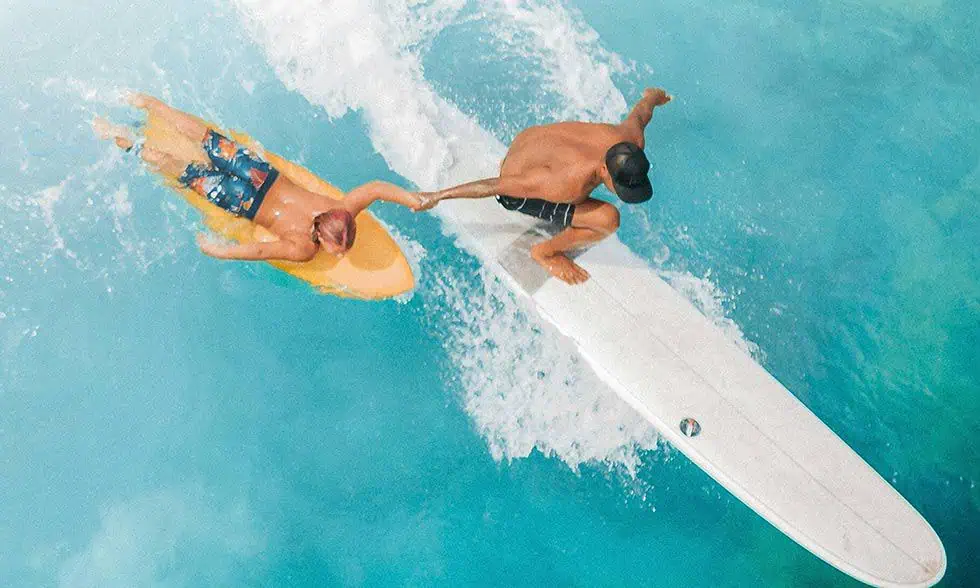
social surfing

Meeting New People at Surf Camps

One of the best parts about learning to surf is the amazing community you become a part of. When you join a surf camp, you’ll find yourself surrounded by like-minded individuals who share your passion for the waves. This shared experience creates a bond that often leads to lasting friendships. Whether you’re celebrating your first successful ride or laughing about a wipeout, you’ll always have someone to share the moment with.

Joining a Surfing Community

Surfing isn’t just a sport; it’s a lifestyle that connects you with people from all over the world. Once you start surfing, you’ll realize that you’re never alone. The surf community is incredibly welcoming and supportive, making it easy to find a friendly face no matter where you go. From local meetups to international surf trips, being part of this community opens up a world of opportunities.

Surfing as a Family Activity

Surfing is a fantastic way to spend quality time with your family. At Swell we offer Family surf camps at certain times of the year .It’s an activity that everyone, regardless of age, can enjoy together. Imagine the joy of catching waves with your kids or cheering on your partner as they stand up on their board for the first time. Surfing as a family not only strengthens your bond but also creates unforgettable memories that you’ll cherish forever.

Embrace the challenges and joys of surfing with others, and you’ll find that the experience is even more rewarding. The connections you make and the memories you create will stay with you long after you’ve left the beach.

Why Age is Just a Number in Surfing

Success Stories of Older Surfers

Ever thought you were too old to start surfing? Think again! Many people learn to surf at age 50 or older and find it to be a life-changing experience. Take Clare, for example. She picked up surfing at 52 and now, at 56, she can’t get enough of it. Her story is a testament to the fact that age is just a number when it comes to catching waves.

Health Benefits for Older Adults

Surfing offers numerous health benefits, especially for older adults. It’s a fantastic way to stay in shape, improve your mood, and meet new people. Here are some key benefits:

  • Physical Fitness: Surfing is a full-body workout that helps you stay fit without the monotony of a gym.
  • Mental Well-being: The combination of sunshine, fresh air, and the thrill of riding a wave can significantly boost your mood.
  • Social Interaction: Surfing provides a great opportunity to meet like-minded individuals and expand your social circle.

Don’t let age be a barrier. Surfing can be a rewarding and enriching experience at any stage of life.

Tips for Older Beginners

If you’re over 50 and considering learning to surf, here are some tips to get you started:

  1. Work on Your Fitness: Surfing requires a good level of physical fitness. Focus on improving your cardiovascular health and core strength.
  2. Take Lessons: Enroll in a beginner’s surf camp to get professional guidance and build your confidence.
  3. Improve Your Swimming Skills: Being a strong swimmer is crucial for safety in the water.
  4. Choose the Right Board: Opt for a longer, thicker board that offers more stability.
  5. Avoid Comparisons: Everyone progresses at their own pace. Focus on your journey and enjoy the process.

So, what are you waiting for? Grab a board and hit the waves at our surf camp. You’ll be surprised at how much fun you can have, no matter your age!

Making the Most of Your Surfing Experience

Setting Realistic Goals

When you start surfing, it’s crucial to set achievable goals. Don’t aim to ride the biggest waves on your first day. Instead, focus on mastering basic skills like paddling and popping up on your board. This approach will help you build confidence and enjoy the learning process.

Tracking Your Progress

Keeping track of your progress can be incredibly motivating. Consider maintaining a surf journal where you note down your achievements and areas for improvement. This will not only help you see how far you’ve come but also identify what level is my surfing and what you need to work on next.

Celebrating Your Achievements

Don’t forget to celebrate your milestones, no matter how small they may seem. Whether it’s catching your first wave or successfully standing up on your board, each achievement is a step forward. Share these moments with friends or fellow surfers to make them even more special.

Remember, surfing is a journey, not a destination. Enjoy every moment and keep pushing yourself to improve.

surf coaching

Ready to elevate your surfing skills and enjoy a memorable vacation? At Swell Surf Camp, we offer professional surf instruction in the warm, safe waters of the Caribbean. Whether you’re a beginner or looking to improve, our structured approach ensures you’ll be catching waves in no time. Don’t miss out on this incredible experience—visit our website to learn more and book your stay today!

Conclusion

So, why should you learn to surf this year? Because it’s more than just a sport—it’s a lifestyle that brings countless benefits to your physical and mental well-being. Whether you’re looking to improve your fitness, meet new people, or simply find a new way to enjoy the great outdoors, surfing has something for everyone. Don’t let age or inexperience hold you back; the waves are waiting for you. Grab a board, take a lesson, and dive into the exhilarating world of surfing. Trust us, you’ll be glad you did!

Frequently Asked Questions

Question: Is surfing suitable for older adults?

Answer: Absolutely! Surfing is a great activity for people of all ages, including those over 50. It offers numerous health benefits, such as improved cardiovascular fitness, enhanced flexibility, and a boost in mental well-being.

Question: Do I need to know how to swim before learning to surf?

Yes, knowing how to swim is essential for surfing. The ocean can be unpredictable, and strong swimming skills are necessary for your safety.

Question: What kind of surfboard should a beginner use?

Answer: Beginners should opt for longer, thicker, and wider boards, as they provide more stability. A 9-foot soft-top surfboard is ideal for those just starting out.

Question: What should I expect at a beginner surf camp?

Answer: Beginner surf camps typically offer structured lessons, safety briefings, and plenty of practice time in the water. You’ll also learn about surf ethics and ocean awareness.

Question: Is it necessary to wear a wetsuit while surfing?

Answer: Wearing a wetsuit depends on the water temperature. In colder waters, a wetsuit helps keep you warm and protects your skin from rashes. In warmer climates, a rash guard might suffice.

Question: How can I overcome the fear of waves?

Answer: Overcoming the fear of waves involves gradual exposure and practice. Start in smaller waves and focus on building your confidence and skills. Taking lessons from experienced instructors can also be very helpful.

About

At Swell we have been teaching people to surf, using our own unique method of teaching to get our guests to make quick, safe progress in a fun way. Interested in learning to surf? Or Improving your surfing skills? Have a look at the different surf holiday packages we offer and join us in the caribbean for a week of sun, surf and good vibes

Share on Facebook

LEARNING TO FOIL WINGSURF

wing foil learn package

LEARNING TO FOIL WINGSURF

learn foil surfing

Unless you haven’t been paying attention to new water sports crazes, you’ve probably seen a huge increase in the number of people getting into foil boarding; whether it’s using a foil for surfing, kitesurfing, or the relatively new wing-foiling (covered in more detail below).

LEARNING TO FOIL / WINGSURF

WHAT IS A FOIL?

It was in Hawaii that the hydrofoil was first developed. The idea is to use a blade below the water to ‘lift’ the board you are using (whether it’s a SUP, kiteboard, or surfboard) clean out of the water. The board is attached to a mast which is attached to that blade. Once the blade lifts at a certain speed, the mast comes out of the water and then no part of the board is actually touching the water. We will talk about how foiling feels a little later in this article; the very reason for its existence is how that ride feels.

YouTube video

Early foil models were heavy, extremely difficult to use, and really quite dangerous. These hand-made foils were also very expensive. After several manufacturers came up with various foil models over the years, in around 2014, foil models had improved and started appearing in more numbers on local beaches. However, they were still too fast, generally unstable and very difficult to ride, as well as being expensive. Accidents were common and often resulted in nasty injuries.

The speed of design improvements has been impressive and the good news is that today, all manufacturers are building easy to use, less expensive, stable, fun foils which suit all kinds of surf/water conditions. They range from inexpensive plastic foils, through aluminium and fibreglass construction, all the way to the top-of-the-range carbon fibre foils.

Even better, many are of a modular design, meaning that you can interchange the various parts as your level of foiling improves.

HOW DOES IT FEEL TO FOIL COMPARED TO RIDING A NORMAL KITEBOARD OR SURFBOARD?

This question is rather like trying to describe how it feels the first time you ride a wave; it’s really hard to put it into words.

learn to foil

It’s like no other form of board riding you have ever undertaken before. The reason for this is that you are simply floating: Imagine gliding over a sea of soap suds where the suds keep you on top without sinking yet you can’t feel them beneath you. Your foil makes no sound at all as it carries you, there’s no slapping of water that you always get with a board in contact with water. It’s spookily quiet as you glide effortlessly through the water. People have described it as a magic carpet ride and I would have to agree.

Also, the momentum of foils and the way they travel through water means that you only need light winds for either kiting or wing-surfing. You can also travel at much faster speeds and turn further upwind or downwind than you can with a regular twin-tip kiteboard.

It’s really easy to see why kite foiling and wing-surfing are the fastest growing water sports.

WHAT MAKES LEARNING TO FOIL MORE DIFFICULT?

If you are used to riding a twin-tip kiteboard or a directional surfboard, you will know that you steer the board using your heels and toes. Only two things to remember; heels will dig in to ride upwind and toes will turn the board downwind. Let’s refer to this as the ‘roll.’

With a foil, there are three things to master. You’ve got the toe and heel operation (the roll) but you have also got a front and back axis (the pitch) to deal with. Getting the ‘pitch’ of the foil right is essential to keep the board out of the water. Too much leaning back and the foil will literally fly out of the water. Too much pressure forward and the foil will sink the board. Foils are sensitive and require only a tiny movement of your body forward or backward to completely change momentum.

The roll is also harder to come to terms with on a foil. If you can imagine the roll on a regular board occurs immediately beneath your feet and the adjustment you make results in an instant turn. With a foil, the blade is well beneath you, anything from 40cm to 110cm (depending on the length of the foil’s mast). This means that the adjustment required is larger and the turn takes longer to effect.

Then we have to look at how weird it feels to be hovering above the water. Everything you have ever learned with kiteboarding or wind-surfing is about the board being in direct contact with the ocean. The height you can achieve with a foil is at once exhilarating but it’s also scary. No matter how good you are as a kiteboarder, surfer, or windsurfer, learning to foil will make you feel like a noob all over again. It sounds like a bit of a nightmare, doesn’t it? But the reward, the reward………..your soap-suddy, dreamy cruise through the air will make all the faceplants and aching thighs well worth it. It’s just a learning curve you must go through to get to the pot of gold.

HOW DO I LEARN FOILING?

There are several different ways to learn to foil. If you already kitesurf well, then you can pick up foiling using your kite skills to generate the power required. If you are an accomplished windsurfer, then moving to wing-foiling will not be too big a step up.

If you don’t kitesurf, surf, or wind-surf already, then your options are as follows: 1. Learn to kitesurf first using a regular twin tip (this might sound difficult but actually, the learning curve with kiting is much faster than with regular surfing and progress can be rapid. 2. Learn to wing-foil (see below for our course options at Swell). The great thing about using the wing to start foiling is that control of the wing is easier and even faster to master than control of the kite. 3. Use a boat-tow to start. However, whilst using a boat to tow you might seem like a good option, in reality, it’s cheating somewhat and with this method, you won’t utilize some of the balance skills which are vital for foil control once a boat is not towing you. Another problem with a boat tow is that the boat tends to do the steering for you, so you are not learning that skill either. Lastly, unless your boat pilot is well-versed with foiling themselves, they won’t know the correct speed to keep you above the water and safe.

Whichever method you choose, you should begin your water experience with a short mast on the foil (shorter = easier). The better you get, the longer you want your mast to be. You will also use a bigger board at the beginning to give you as much stability as possible.

WINGSURF FOILING; A PERFECT INTRODUCTION TO FOILING WITH NO PREVIOUS EXPERIENCE

As we’ve mentioned above, wingsurf-foiling is an ideal choice if you don’t already kitesurf and you want to get straight into riding a foil. Wingsurfing is growing quickly in popularity and it’s easy to see why.

YouTube video

Unlike a kite, the hand-held wing is much simpler and safer to use. There are no long lines to put out, no potentially dangerous launch to master, no risk of crashing the kite and not being able to relaunch it. The equipment is easy to put together and the wing is quickly inflated. A leash attaches the wing to the rider in case of falls and handles are positioned along the center of the wing to guide it; it’s very light in the hand. In fact, there are no discernible disadvantages to using a wing to foil.

learn to wingsurf

Wings are sold in various sizes to suit wind conditions and rider size. A good wing-foiling school will have the correct size of the wing for your lessons. You will be able to wing-foil in just 12 knots of wind. All you have to do is inflate the lightweight wing and enter the water.

WHERE CAN I LEARN TO WINGSURF FOIL

SWELL LEARN TO WING FOIL COURSE

learn to wing foil

Cabarete, Dominican Republic, is already a world-renowned kite surfing destination, with steady side-on trade winds and warm Caribbean water: Now foiling is taking over as the fastest growing sport. You can come and stay with us at Swell and take a 10-hour foiling course for $795 USD (one person) or $636 USD each if two guests are learning at the same time.

More info on our learn to wingsurf course can be found here and the package pricing for learning to foil & wingsurf are here

WING FOILING IN CABARETE

Cabarete on the North coast of the Dominican Republic is one of the best wing foiling spots in the world!

Great conditions for Wing foilers of all levels

YouTube video

ABOUT SWELL


We are a purpose-built retreat for people that are looking for an active water sports holiday. We offer learn to surf, kitesurf and wingsurf packages for clients staying with Swell

More info about learning wingfoiling, or the wingfoil packages we offer

Share on Facebook

WHAT SURFING DOES TO YOUR HEALTH

WHY SURFING (AND LEARNING TO SURF) IS ONE OF THE BEST CHOICES FOR A HEALTHY & HAPPY LIFE.

SURF HEALTH

The great thing about surfing is that it’s approachable for people of all ages and all walks of life. Surfing is awesome and a life-changing activity that only requires courage to fly in the ocean. The best part about surfing is that it changes the entire lifestyle by adding thrill and adventure. Below, we highlight certain aspects to show why surfing is the best way to stay in shape.

SURF HEALTH

ALL IN ONE WORKOUT

At first, it’s obvious that surfing is a full-body workout. Your every move on the water requires a combination of physical strength, stamina, and cardio. But don’t worry if you are weak at one thing: it’s not a prior requirement to get started. The only thing that it requires is the energy and motivation inside your heart to glide along the ocean waves.

There is not any specific level of skill and experience to start surfing. Going from paddling to popping up on your surfboard will cardiovascular and upper body strength, and keeping yourself stable on the board will work your legs and core. By following these steps, you are utilizing the entire body while having the time of your life.

Besides physical fitness and impressive anaerobic effects, this sport also brings strength in some other life aspects:

STRESS RELIEF

Spending time with nature, enjoying precious moments, and bringing physical strength to use, combinedly to help to reduce strength and anxiety levels. Regular surfing makes you feel similar to morphine. It can produce an ecstatic feel and an optimistic stance on life.

IMPROVED SLEEP

It’s a well-known fact that exercise decreases sleep complaints, especially sleep disorders, and their effects are pretty much similar to sleeping pills. After paddling for a few hours and riding on the water swells, your body is ready for a healing slumber.

INCREASED VITAMIN D

Exposure to the sun along with a healthy workout causes the increased production of Vitamin D inside your body that helps in calcium absorption, improved body structure, and regulation of body functions.

MIND FULLNESS

Surfing helps you in developing your focus by putting everything else aside. Your concentration is on your body language to keep yourself on the board, merge your heartbeat with the surf, and fly in the ocean.

surf balance

BUILDING BALANCE:

Exercising balance in every sphere of life is key to success. Surfing well requires maintaining balance on the board and keep enjoying a healthy and vigorous ride. Your balanced coordination on the board prevents you from serious injuries. Surfing requires a good balance, and keep practising the sport helps you in developing the skill.


Regular surfing strengthens your every day’s fitness and helps you in protecting against common age-related somatic issues like arthritis, tendonitis, and many more.

Many surfers also refer to practice some other exercises, such as pilates and yoga, to improve their core strength, flexibility, and balance and enhance their surfing abilities.

“Core” itself points out the vitality of muscles, including posture to upper-back and lower-back strength.

THE POWER OF PASSION

Perhaps the most impactful benefit of surfing lies in the connection you make to the sport. Your dedication to the sport can give a boost to your overall physical health.

Once a surfer starts feeling less like hard work, the training becomes a piece of enjoyment. Once you are passionate and ambitious for the sport, you try to work out regularly to stay in shape and keep training to become even better.

Connecting to an activity that provides you with a source of enjoyment, along with the workout, makes you feel easier than regular exercise at the gym. A study published in Marketing Letters highlighted that enjoying such activity brings more comfort and relaxation to you.

The reason behind this is that the part of fun diverts your attention from the required effort.

Moreover, it also reduces the tendency to overeat or have extra calories after the training session.

A LIFETIME OF FITNESS

It is not a one-time activity to put yourself in shape. If you are passionate and ambitious about something, you carry it throughout your life and put all your efforts to maintain it. Especially, physical fitness is an ongoing practice that prolongs your shape and strength. Besides physical health, engaging in activity like surfing can also bring a more peaceful mind to you as well.

Even if you don’t surf regularly, the time you spent on the waves has long-lasting effects.

If you feel bored with your workout routine and ready to switch it with a healthy activity?

Surfing might be the best alternative, and one of your favourite hobbies as well.

BALANCE

Balance is a key to surf on the waves. Once you lost your balance, the whole drama is over, and it might cause an injury to you. The best way to learn about balancing is riding as much as you can.

However, mostly the rides aren’t enough long to get yourself trained because all water swells don’t convert into a wave. Performing lunges and squats can strengthen the glutes and leg muscles, which ultimately helps you to maintain your balance on the board.

If you don’t have a balance board, you can achieve it by closing your eyes and standing at one leg for up to 30 seconds and repeating it again and again. Like other skills, it requires your patience and consistency, so don’t lose it.

DIGITAL DETOX
Another great health benefit of surfing is that (at least for now) it also means you are completely disconnected from digital distractions like phones, computers, TV and social media. When you are out in the water it’s just you, your fellow surfers and the elements for you to enjoy.
At times I have gone out for a 2-hour surf session, barely caught any waves, and still come back feeling happy and fulfilled. Enjoyed a sunrise view, did my paddle exercise and had no distractions on my mind.

surf excersise

SURF FITNESS EXCERSIZES

MAXIMIZE YOUR SURF HEALTH

The following are great examples for people that want to get surf fit before their holiday or to keep doing at home, theses exercises will greatly improve your surf sessions.

CORE: SIDE PLANK WITH REACH THROUGH

surf fitnessThe strength of core muscles is responsible to stabilize your torso to help you in balancing, paddling, and rotation through turns.

The side plank can easily strengthen the layers of your obliques, complying with the rotational component. Lay down on your side, bend your knees, and prop up your upper body on your elbow.


Raise off your hips by holding for 8-10 seconds, give a rest for 10 seconds, and do 1-3 sets of 12-15 reps at each side.

LEG STRENGTH: SINGLE LEG SQUATS
surfers healthStronger legs help you in maintaining balance and staying on board for a long time. Whether you are a beginner or an expert, single-leg squats will help you in developing the core and leg strength to paddle at your best and keep enjoying for a long time.

Stand on one foot and lift the other one about 5-7 inches off the ground. Align the knee of the standing foot with the middle toe, lowering down by bending your knee at 45 degrees. You should keep your back straight and head aligned with the shoulders.

Hold for 3-5 seconds in the lowest position and do 3 sets of 5-7 reps on each leg. With time and practice, you can increase the depth of the squats to make it challenging.


PRE-SURF WARM-UP: DEEP SQUAT WITH OVERHEAD REACH
surf warm upBefore you start surfing, you need a quick warm-up to give relaxation to your hips and shoulders and set them ready for paddling.

For this purpose, put your feet apart a little wider than the shoulder width. You can slightly turn out your toes to release the tension.

Keep your gaze forward and your torso straight, squat down and touch the ground with both hands for a while, then stand back up. Now, circle your arms and raise them towards the sky.

Repeat this 10-15 times to warm up yourself for the paddling.

SURF PADDLE FITNESS

A surf session is more paddling than surfing on the waves with a ratio of 95% to 5% . If you have not trained your paddling muscles, then your session will be quite short. You can strengthen your paddling muscles with a simple pool workout. This will considerably add to your strength and power.

WARM-UP:
Spend 5-7 minutes on mixed strokes swimming, such as freestyle stroke, butterfly stroke, breaststroke, backstroke, and sidestroke.

MAIN SET:
2 x 100 yards at an energetic pace with ease and comfort.
3 x 50 yards at a relatively faster pace than the previous one, following with the set of 10 pushups after every 50-yards.
4 x 50 yards at your maximum power.

Relax for 2 minutes after every set, and rest for 15-20 seconds after every round.

BREATH CONTROL

Add some underwater swimming, 3-5 sets. Also, consider swimming at a high pace with all your power for at least one round. When getting near the wall, turn quickly and hold your breath under the water as long as you can. This is the perfect simulation for paddling and duck diving.

Besides breath control, it also mentally prepares for such a situation where someone needs to stay underwater.

To make sure your safety, try to practice it with your friend or a person around. The more important is that you remain calm and relaxed, especially when you need air at the peak.

To sum it up, we think learning to surf is one of the best long terms investments you can make for your mental as well as physical health. The fact that it is great fun and it gives you an incentive to travel to exotic place around the world to surf is an added bonus.

Interested in learn surfing in the warm Caribbean waters of the Dominican Republic? At Swell we offer week-long Learn to Surf & Yoga holidays for adults.

Send us a message today, we guarantee to get you up and riding.

Sunrise at our local surf beach


Share on Facebook