The Dominican Republic is a kitesurfer’s paradise, boasting a variety of spots and perfect wind conditions all year round. Whether you’re a beginner or an experienced rider, this Caribbean gem offers something for everyone. From the bustling beaches of Cabarete to the hidden gems of Las Terrenas, the Dominican Republic is the ultimate destination for an unforgettable kitesurfing holiday.
THE TOP KITESURF DESTINATION
Key Takeaways
The Dominican Republic offers consistent wind patterns and ideal conditions for kitesurfing all year round.
There are diverse kitesurfing spots to explore, from the kitesurfing capital Cabarete to the luxurious Punta Cana and the hidden gem Las Terrenas.
Affordable kiteboarding holidays are possible with budget-friendly accommodations, cost-effective gear rentals, and inexpensive dining and nightlife options.
The country is easily accessible from major international destinations with direct flights and convenient local transportation.
Beyond kitesurfing, the Dominican Republic offers a wide range of activities including jungle trekking, relaxing beach days, and rich cultural experiences.
Perfect Wind Conditions All Year Round
Kitesurfing in the Dominican Republic is a dream come true, thanks to its perfect trade wind conditions all year round. Whether you’re a beginner or a pro, you’ll find the wind just right for your kitesurfing adventures.
Consistent Wind Patterns
The Dominican Republic benefits from its location in the Caribbean, where the trade winds blow consistently from the east. This creates steady winds ranging from 15 to 25 knots, making it ideal for kitesurfing. Even during the off-season, you can still find decent wind conditions to enjoy your time on the water.
Ideal for All Skill Levels
No matter your skill level, the Dominican Republic has something to offer. Beginners can enjoy the gentle breezes, while advanced kitesurfers can take advantage of the stronger winds to perform tricks and ride waves. The consistent wind patterns ensure that everyone has a great time.
Best Months to Visit
While you can kitesurf year-round, the best months are from May to August. During this period, the trade winds are at their strongest, providing the most reliable conditions.
Diverse Kitesurfing Spots to Explore
Cabarete: The Kitesurfing Capital
Cabarete is a top kitesurf destination with steady winds, a safe environment, and diverse kite spots. From Cabarete Bay to Kite Beach to the lagoon at La Boca, there’s something for everyone. Swell kitesurfing holidays in Cabarete offers ideal conditions for all levels of kitesurfers.
Las Terrenas is a hidden gem for kitesurfers. It offers a more laid-back vibe with fewer crowds. Ideal for those looking to escape the hustle and bustle while still enjoying great kitesurfing conditions.
Affordable Kiteboard Holidays
Cost-Effective Gear Rentals
No need to lug your gear halfway across the world. The Dominican Republic offers plenty of rental shops with affordable rates. Whether you’re a beginner or a pro, you’ll find everything you need to enjoy your kiteboard holiday.
Dining and Nightlife on a Budget
Eating out and enjoying the nightlife doesn’t have to be expensive. Local eateries offer delicious meals at reasonable prices. Plus, many bars and clubs have happy hour specials, so you can have a great time without spending a lot.
Local eateries with affordable meals
Happy hour specials at bars and clubs
Budget-friendly entertainment options
Easy Accessibility from Major Destinations
Direct Flights to Dominican Republic
Getting to the Dominican Republic is a breeze! With direct flights from major airlines like American Airlines, Jet Blue, United, Air Canada, and West Jet, you can easily reach this kitesurfing paradise. The easiest airport is Puerto Plata International airport (Airport code POP) But Santiago (STI), Santo Domingo (SDQ) And even Punta Cana (PUJ) Are an option to fly into the Domincian Republic
Convenient Local Transportation
Once you land, getting around is straightforward. Nearby resorts often provide shuttle services to and from the airport. Taxis are readily available, and you can also opt for car rentals if you prefer to explore on your own.
Travel Tips for Kitesurfers
Pack light: Focus on essential kitesurfing gear.
Stay connected: Get a local SIM card for easy communication.
Currency: Have some local currency (Dominican Peso) for small purchases.
Safety first: Always check the local weather and wind conditions before heading out.
With these tips, your kitesurfing adventure in the Dominican Republic will be smooth sailing!
Exciting Activities Beyond Kitesurfing
When you’re not riding the waves, why not explore the lush jungles? The Dominican Republic offers some of the best jungle trekking adventures. Discover hidden waterfalls, exotic wildlife, and breathtaking views. It’s a must-do for nature lovers!
Sometimes, you just need to chill. The wide sandy beaches are perfect for a laid-back day. Grab a book, soak up the sun, or take a dip in the warm waters. It’s the ultimate way to unwind.
Dive into the local culture! Visit vibrant markets, historical sites, and enjoy the rich flavors of Dominican cuisine. From fresh seafood to traditional dishes, your taste buds are in for a treat. Don’t miss out on these cultural experiences!
Meet the Kitesurfing Community
Local Kitesurfing Schools
Welcome to the Kite paradise! The Dominican Republic boasts numerous kitesurfing schools, especially in Cabarete, a surf paradise in the Dominican Republic. Whether you’re a beginner or a pro, you’ll find the perfect spot to hone your skills.
International Kitesurfing Events
The island hosts a variety of international kitesurfing events throughout the year. These events attract kitesurfers from all over the world, making it a fantastic opportunity to meet fellow enthusiasts and share experiences.
Connecting with Fellow Kitesurfers
One of the best parts of kitesurfing in the Dominican Republic is the vibrant community. You’ll find plenty of opportunities to connect with fellow kitesurfers, whether it’s at local schools, events, or just hanging out on the beach. The warm water and fun waves make it easy to strike up conversations and make new friends.
Top-Notch Kitesurfing Schools and Instructors
Beginner Lessons and Packages
Starting out in kitesurfing? The Dominican Republic offers some of the best surf kite schools in the world. You’ll find structured lessons, stylish accommodations, and delicious breakfasts. Perfect for beginners!
Advanced Training Programs
For those looking to level up, there are advanced training programs available. These programs offer consistent waves and are suitable for all levels. Whether you’re a seasoned pro or just looking to improve, there’s something for everyone.
Safety and Certification Standards
Safety first! The kitesurfing schools here provide top-quality kite equipment, helmets, and impact vests during lessons. Plus, all instructors are qualified and follow a structured lesson plan to ensure you get the most out of your experience.
Why Cabarete is a Must-Visit
Vibrant Nightlife and Entertainment
Cabarete is not just about kitesurfing; it’s a partygoer’s paradise. The town comes alive at night with beach bars, live music, and dance clubs. Whether you’re into salsa, reggae, or electronic music, there’s something for everyone.
Variety of Water Sports
Apart from kitesurfing, Cabarete offers a plethora of water activities. Try your hand at windsurfing, paddleboarding, or even scuba diving. The diverse options make it a haven for water sports enthusiasts.
Family-Friendly Activities
Cabarete is perfect for families too. Enjoy a day at the beach, take a coffee farm tour, or go island hopping to Paradise Island and Montecristi National Park. There’s something for everyone, making it an ideal family destination.
Planning Your Kiteboard Destination Holiday
Packing Essentials for Kitesurfers
Getting ready for your kiteboard holiday? Don’t forget these essentials:
Sunscreen and lip balm
Lightweight, quick-dry clothing
Board shorts or bikinis
Sunglasses with a strap
Reusable water bottle
Booking the Perfect Stay
At Swell we have made it easy for kiteboarders to choose the Dominican Republic as their top kitesurf destination
Proximity to several different kitesurfing spots
Kite school that caters to kiters of all levels
Local knowledge from ons-site pro kiteboarders
Navigating Local Customs and Etiquette
When visiting the Dominican Republic, it’s important to respect local customs. Here are a few tips:
Learn a few basic Spanish phrases
Greet locals with a friendly “Hola”
Be mindful of local dining etiquette
Respect the environment and local wildlife
Supporting Local Communities
When you visit, make sure to support local businesses. Buy from local shops, eat at local restaurants, and hire local guides. This not only boosts the economy but also helps preserve the unique culture of the Dominican Republic.
Minimizing Environmental Impact
Be mindful of your actions to keep the beaches and waters pristine. Here are some tips:
Avoid single-use plastics.
Participate in beach clean-ups.
Respect marine life and coral reefs.
Use reef-safe sunscreen.
By following these practices, you can enjoy your kitesurfing adventure while also protecting the beautiful environment of the Dominican Republic.
Conclusion
In conclusion, the Dominican Republic stands out as the ultimate kitesurfing destination for a multitude of reasons. With its diverse range of kitesurfing spots, consistent wind conditions throughout the year, and easy accessibility, it offers something for every kitesurfing enthusiast. Whether you’re looking for a rustic, off-the-beaten-path experience or a bustling, tourist-friendly environment, you’ll find it here. Beyond kitesurfing, the Dominican Republic also boasts a variety of other activities, from jungle trekking to beach lounging, making it a well-rounded destination for any traveler. So pack your gear and get ready for an unforgettable kitesurfing adventure in this Caribbean paradise!
Frequently Asked Questions
Q: Why is the Dominican Republic considered the best kitesurfing destination?
A:The Dominican Republic is considered the best kitesurfing destination due to its variety of spots and great wind conditions all year round. Each kitesurfing spot offers something unique, from rustic, non-touristic places to mega tourism spots.
Q: Where can I check the current and wind forecast for the Dominican Republic?
A:There are several good wind forecasts sites that we use: Windy is a good app as well as Windguru Cabarete for up to date wind and weather forecasts for the Dominican Republic. Keep in mind that windguru does not the thermal effect to their forecasts so on a clear sunny day (most of the time) you can add 5 to 8 knots to their wind forecasts
Q: What makes Cabarete a popular kitesurfing spot?
A: Cabarete is renowned for its strong wind nearly year-round and conditions suitable for a variety of riding levels and disciplines. It has become the kitesurfing capital of the world.
When is the best time to kitesurf in the Dominican Republic?
A: The best time to kitesurf in the Dominican Republic is from December to September, when the wind conditions are ideal.
Q: Are there budget-friendly accommodations available for kitesurfers?
A: Yes, the Dominican Republic offers a range of budget-friendly accommodations, making it an affordable destination for kitesurfers.
Q: What other activities can I do in the Dominican Republic besides kitesurfing?
A: Besides kitesurfing, you can enjoy jungle trekking adventures, relaxing beach days, and exploring cultural experiences and local cuisine.
Q: How accessible is the Dominican Republic for international travelers?
A: The Dominican Republic is easily accessible with direct flights from many major international destinations. Local transportation is also convenient for travelers.
Q: Are there kitesurfing schools and instructors available for beginners?
YA:Yes, there are numerous kitesurfing schools and instructors that offer beginner lessons and packages, as well as advanced training programs.
Q: What should I pack for a kitesurfing holiday in the Dominican Republic?
A:For a kitesurfing holiday, pack essentials such as your kitesurfing gear, sunscreen, swimwear, and casual clothing. Don’t forget to bring any necessary travel documents and a camera to capture the beautiful scenery.
About
At Swell we have been offering kiteboarding package holidays since 2009. Using top quality gear and highly qualified IKO certified kitesurf instructors we have taught 100’s of people to become an independent and safe kitesurfer. Interested in one of our kiteboarding package holidays to the Dominican Repulic? We’d love to welcome you at Swell
Starting a new extreme sport can feel like standing at the edge of a thrilling adventure. If you’ve set your sights on learning how to harness the wind and waves, kitesurfing might just be your next big challenge.
Finding clear, simple advice for beginners isn’t always easy amidst a sea of information. That’s where we step in with tips to help you learn kitesurfing safely and enjoyably.
Cabarete is known worldwide as a prime spot for kiteboarders because of its perfect conditions almost year-round. This fact alone makes it an excellent place for anyone looking to ride the winds and waves for the first time.
Our guide will walk you through selecting locations with ideal wind conditions, understanding essential gear, quick improvement steps, safety measures, and more to ensure you can start this exciting journey with confidence.
Get ready for fun!
Key Takeaways
Pick a spot with steady breezes and clear waters like Cabarete for easier learning.
Start with basic equipment including a larger, stable kiteboard and a smaller trainer kite to practice control.
Watch instructional videos and get lessons from qualified instructors to improve quickly and safely.
Always wear safety gear such as helmets, life vests, and rash guards to prevent injuries.
Practice handling your kite on the beach before moving onto water starts and board rides for better control.
SELECTING THE IDEAL KITESURFING LOCATION
Picking the right place to learn kitesurfing makes a big difference. Look for beaches with steady breezes and clear waters, but watch out for any dangers like rocks or strong currents.
Wind conditions
For kitesurfing, picking a spot with the right wind is crucial. Cabarete shines in this area because its winds are steady and side-onshore, ranging between 14 and 20 knots. These conditions make it not just safe but ideal for learners and experts alike to enjoy the sport year-round.
Yet, keen kitesurfers should note that from mid-September to mid-October, the winds can be less reliable.
Steady breezes provide balance and control for beginners learning to manoeuvre their kiteboards. Sites like Cabarete offer these optimal conditions that significantly impact quick learning and safety on the water.
Beyond just knowing about wind strength, aspiring kitesurfers need an understanding of wind directions too—a skill vital for mastering kiteboarding basics such as launching and landing safely on shores or managing upwind courses efficiently.
Water Conditions
Cabarete offers warm sea temperatures making it a cozy place to learn kitesurfing. Beginners find the flat water areas especially welcoming, as they provide an easier and safer environment to practice.
Warm waters mean you can stay in for longer periods without feeling cold, focusing on mastering your skills instead of shivering.
Different spots around Cabarete cater to various skill levels. For newcomers, these zones are perfect for getting comfortable with your board and kite before tackling more challenging conditions.
The diverse locations ensure there’s always a suitable spot regardless of your progress or confidence level. Next, let’s talk about the hazards to look out for while enjoying these ideal .
Hazards
Choosing a location with inconsistent and ocean-bound winds could potentially lead you away from the coastline. Always verify the wind conditions before you venture out to ensure they are stable and blowing towards the mainland or along the shore.
Being conscious of these climatic patterns can keep you safe from hazardous circumstances out on the water.
In certain areas, kitesurfers need to exercise caution due to sharks and other potentially dangerous sea creatures. Interactions with these animals can induce fear and occasionally cause injury.
To minimize this risk, familiarize yourself with the aquatic life in your selected kitesurfing locale. Don proper safety gear such as aquatic shoes and a rash guard for an added layer of protection against scrapes or bites.
Tales of personal experiences narrated by seasoned kitesurfers often underscore the need for continuous awareness about such realities while participating in the sport.
The Dominican Republic is an ideal destination
The Dominican Republic, particularly Cabarete, is a prime choice for those new to kitesurfing. The location has a consistent wind speed between 14 and 20 knots and maintains warm water throughout the year.
Its expansive sandy beaches create a conducive environment for launching and landing your kite safely. Also, there’s no concern about dangerous aquatic life here.
The appeal of this location extends beyond its natural attributes; it includes facilities with trainers ready to instruct on board and kite handling. Whether you’re grasping the groundwork of kite flying or perfecting more complex maneuvers, Cabarete’s instructors offer individualized guidance suitable for your capabilities.
Moreover, with rental stores in proximity providing all the essential gear, from wetsuits to life vests, participants have all they require easily accessible.
Kitesurfing Cabarete
KEY EQUIPMENT FOR KITESURF BEGINNERS
Selecting the appropriate equipment is your initial phase into kitesurfing. Prior to testing the waters, make sure to be equipped with a surfboard suitable for wave riding, a compatible kite for your skills, and control bar with lines for guidance.
Begin with a compact training kite for honing your skills. Safety gears such as helmets and life vests shouldn’t be overlooked to ensure your safety. Eager to learn more? Explore further on how each equipment piece contributes to your venture on the waves!
Choosing the Right Kiteboard
Selecting the ideal kiteboard is a crucial action for anyone initiating kitesurfing. The appropriate board provides beginners with a feeling of stability and assurance as they experience their initial gusts of wind.
When commencing, search for boards that are larger and wider. Such boards extend an augmented buoyancy and stability, facilitating the ease of learning the fundamental skills of balancing and steering on the water.
As you advance your skills, you might think of switching over to a smaller board for enhanced control and tricks.
You should also take into account the circumstances in the location where you plan to kitesurf. For instance, flat water areas in Cabarete are wonderful for novices practicing with large boards.
Initiate with a size which is comfortable yet poses a bit of challenge for the growth of your skills. It should be noted that top-tier equipment such as what Swell kitesurfing school provides can ease the process of learning and make it safer.
Regardless of the type of kiteboard you select, never forget to put on indispensable safety gear including helmets and life vests.
Understanding Kite Specifications
Once the right kiteboard has been selected, it is crucial to move forward with understanding kite specifications. Essential for every beginner in kitesurfing, these specifications include aspects such as size, shape, and type – each of which can significantly impact your learning progression and overall enjoyment while out on the water.
For instance, with their precise control capability, C-kites are well-suited for performing tricks, but they may pose a challenge for beginners. On the other hand, bow-kites or delta kites are seen as friendlier alternatives due to their stability and easier relaunch capability from the water.
During the initial lessons at the Swell kitesurfing school, it was heavily stressed by instructors how varying sizes can influence performance based on wind conditions. Larger kites perform well in milder winds, whereas their smaller counterparts are better suited to stronger winds.
Your body weight has implications too; those with a heavier body mass would require larger kites to generate sufficient lift. The takeaway from this: choices made according to individual needs and local weather conditions result in a more gratifying ride and quicker improvement.
Basics of Kite Bar and Lines
After acquiring knowledge about kite specifications, the proceeding step includes comprehending the kite bar and lines. The kite bar serves as your control mechanism for your kite.
It’s a vital implement linking you to your kite, allowing you to determine its course and power. You could see it as managing a potent beast’s movement; you influence the speed and direction with only subtle movements.
Kite lines bear equal significance. They are often fabricated from durable materials capable of resisting intense winds and abrupt tugs. These strings attach the bar to your kite and present with varied lengths suitable for distinct kitesurfing styles.
Shorter lines offer rapid responses yet diminished power; in contrast, longer lines yield greater power but delayed responses. Selecting the appropriate equilibrium greatly impacts your experience on the water.
Together, these instruments establish a reciprocal connection between you, your kite, and natural factors like windward directions or wakeboarding waves – converting simple movements into elegant slides over water bodies or noteworthy leaps into mid-air flights.
They constitute a critical bond allowing riders to effectively utilize wind energy while guaranteeing optimal safety via appropriate control measures like flotation apparatus during talespin maneuvers or directing downwind paths with exact sailing techniques – thus, making them indispensable elements in every kitesurfer’s equipment bag.
Starting with a Trainer Kite
Using a trainer kite is the first important step in learning to kitesurf. It helps beginners understand how to control and steer the kite safely on the beach. This basic skill sets the foundation for all future progress in the sport.
Flying a trainer kite allows new learners to get comfortable with the wind’s power and direction, which are key elements in kitesurfing.
My own journey began with mastering a trainer kite in light winds. I spent hours practicing movements and reactions until they became second nature. This early experience was crucial for my safety when I advanced to larger kites and open water sessions.
The use of booties protected my feet during this training phase, even on sandy beaches where hazards were minimal. Learning through this hands-on approach made complex techniques easier to grasp as I progressed in kitesurfing.
Essential Safety Gear
Wearing the right safety gear is crucial while learning to kitesurf. Your harness, which comes included during lessons from a kitesurfing school, is key. This piece fits around your waist or legs and connects you to your kite, keeping you secure as you navigate the waves or soar above the water.
Along with this, a flotation device is vital for staying safe in deep waters. The ocean can be unpredictable, and even strong swimmers can tire out.
Other important items include helmets and rashguards, offering protection for your head and skin. Helmets guard against impacts when falling onto the water or board, while rashguards provide sun protection and prevent chafing from constant movement against equipment surfaces.
In areas like Cabarete in the Dominican Republic where people often learn to kitesurf, sunny days are frequent; thus wearing a rashguard becomes even more critical to avoid sunburns during long sessions on the water.
Always ensure your gear fits well and check it before heading out to guarantee everything works as intended.
STEPS FOR QUICK IMPROVEMENT IN KITESURFING
To get better at kitesurfing fast, practice flying a small kite on land and watch videos to learn more. Taking lessons from pros and having the right gear will also help you improve quickly.
Keep reading to find out how to make your kitesurfing adventure amazing!
Mastering Trainer Kite Flying
Flying a trainer kite on the beach is your first step into kitesurfing. You learn to control the kite, feeling its pull and understanding how it moves with the wind. It’s essential to get comfortable here before you try larger kites.
This stage teaches you about the kite’s power and how to manage it safely.
I started by practicing in open spaces away from people and hazards. The experience was thrilling as I got a grip on steering and controlling my kite’s altitude with simple hand movements.
This phase of practice builds confidence for future lessons on water starting and board riding. Mastering these skills means you’re ready for more challenging adventures in windsurfing or even snow kiting.
Learning through Instructional Videos
Watching instructional videos is an excellent way to commence your journey in kitesurfing. Observe professionals demonstrating how to manage the kite, glide across the water, and utilize gear properly.
These videos usually originate from experienced instructors or professionals like Kirsty Jones who share their direct experiences. You’ll receive easy-to-follow tips and can practice in your own time.
Videos assist you in comprehending wind dynamics and other essential concepts without feeling pressured.
Discover these beneficial resources on social media platforms, such as Instagram, or websites full of kite-flying tutorials. These display clear steps for advancing from piloting a trainer kite to managing a larger one in water.
This visual guide elevates your confidence before you even step foot onto the beach. As a reminder, while Swell partner kitesurfing school offers premium equipment and IKO certified instructors for practical learning, initiating your journey with instructional videos establishes a strong base for swift progression in this exciting sport.
Training with Qualified Instructors
Learning kitesurfing from qualified instructors makes a big difference. These experts are IKO certified, meaning they’ve met international standards for teaching the sport. They bring skills and knowledge that ensure students learn effectively and safely.
With instructors who can speak French, German, Dutch, Spanish, and English, language barriers fade away. This opens up learning to more people across the globe.
These instructors use tools like kiteboards and trainer kites in their lessons. They guide beginners through each step, from flying a trainer kite to mastering the first water start and board ride.
Learning with them helps students understand essential safety measures too. Their instruction covers everything needed for a solid foundation in kitesurfing.
Next is investing in suitable gear for your journey.
Investing in Suitable Gear
Buying the right gear is a big step in learning to kitesurf. You need a kite, a bar with lines, and a harness that fits well. These tools help you control the kite and stay safe on the water.
Swell partner kitesurfing school gives students high-quality equipment for their lessons. This shows how important good gear is for both safety and learning.
I found that having my own gear made practice easier. It let me get used to the same equipment each time I went out on the water. This consistency helped improve my skills faster than if I had used different kits each time.
Choose your equipment carefully to make sure it matches your level of skill and style of riding.
Safety Measures and Kitesurfing Techniques
Safety first! Before hitting the water, learning how to manage your kite on the shore sets a solid foundation. Mastering control of your flying gear in different situations keeps you and others safe.
Techniques like body dragging, board handling, and starting your ride are key skills every kitesurfer needs to enjoy the sport while staying secure.
Handling the Kite on the Beach
Learning to manage your kite on the beach is vital. You start with a trainer kite. This step helps you understand how it reacts to wind and movements without water’s complexity. It’s like using training wheels before riding a bike.
Safe flying sets a foundation for all future skills in kitesurfing.
Your goal is to keep control of the kite while being aware of your surroundings. Watch out for other people, trees, and anything that could catch or disrupt your kite. Use clear signals if you’re flying in an area shared with others to prevent accidents.
I learned this through my own experiences—getting comfortable with my kite on land made me more confident when I moved into the water.
Mastering Kite Control and Body Dragging
Gaining control over your kite is the first step to becoming a proficient kitesurfer. Practice makes perfect. Begin with a smaller trainer kite on land to understand the nuances of steering and managing its power before moving into deeper waters.
This builds confidence and coordination without the added difficulty of balancing on a board.
Body dragging in water imparts essential skills for retrieving your board and mastering directional control while being pulled by your kite. It might seem tough at first, but with persistence, you’ll learn how to exploit the wind’s force to move in desired directions.
This experience is crucial for safely returning back to shore or chasing after your board if you fall off. Always wear recommended safety gear during these practices to mitigate risks and ensure a fun learning environment.
Techniques for Water Re-Launch and Self-Rescue
Mastering the art of relaunching your kite in water is an essential ability for every kitesurfer. Initiate by aligning yourself in a way that the wind makes contact with the leading edge of your kite.
Utilize the control bar to gently nudge one end of the kite upward, capturing wind beneath it. This airborne force should raise your kite from the water and revert it back to flight mode.
Consistent practice is key here; the goal is to maintain smooth and controlled motions.
Self-rescue is another critical skill you should have at your disposal if situations don’t align with your plans. Start this procedure by pulling in one line at a time until you can touch your kite’s leading edge directly.
This technique converts your kite into a temporary sailboat, facilitating you to draw yourself closer to it or even employ it as a floatation device back to safety. My personal journey has taught me that maintaining composed and knowing these steps can transform potentially frightening instances into manageable ones, assuring every session concludes safely on the beach instead of out in the ocean.
BOARD HANDLING BASICS
Handling your board correctly is key to enjoying kitesurfing. You start by getting the board on your feet. This may sound simple, but it takes practice. Place the board downwind of you while keeping tension in the lines.
Slide your feet into the straps or bindings firmly to ensure they are secure but not too tight.
Next, focus on maintaining a correct stance on the board for balance and control. Keep your knees slightly bent and lean back slightly against the pull of the kite. This position helps manage the kite’s power and steers you through water smoothly.
After mastering these steps, moving onto initiating a waterstart becomes easier.
Initiating Waterstart and First Board Ride
Starting your waterstart and first board ride is exciting. You use the power of the kite to lift you out of the water. Your instructor will guide you through this process during an 8-hour course over five afternoons.
The class covers everything from handling the kite to getting up on the board for the first time. They’ll ensure you’re safe and ready using provided gear, including kites, bars, lines, and harnesses.
Practicing these initial steps lets you feel how wind dynamics affect your ride. This understanding is key as it helps with balance and direction once you are up on the board. With personalized tips from your instructor, soon enough, you’ll glide smoothly across flat waters like those at Kite Beach.
Each successful attempt builds confidence as well as skill in managing both kite and board together.
Techniques for Riding and Staying Upwind
Keeping your kite surfing equipment in top shape enables you to ride seamlessly against the wind. Direct the kite gently in the wind’s path without facing it head-on. Orient both your board and body just off the wind, establishing resistance with the water surface.
This strategy enables you to move against the waves more efficiently, propelling you ahead without shifting off course.
Subsequently, concentrate on your board position. Slightly flex your knees and recline to distribute more weight on the rear foot. This pose assists in elevating the board’s front, reducing resistance, and making it easier to stay on the upwind route.
Exercising these techniques in steady wind conditions, like those in Cabarete, will enhance your assurance and proficiency promptly.
SELECTING A RELIABLE KITESURFING INSTITUTION
Choosing a Reputable Kitesurfing School
Picking a good kitesurfing school is key for anyone starting this exciting sport. Look for schools with IKO certified instructors, as they meet international standards. The Swell partner kitesurfing school near the camp is one such place where learning becomes easier and safer.
Their teachers speak languages like French, German, Dutch, Spanish, and English. This factor makes lessons accessible to people from different parts of the world.
Another important aspect to consider is the school’s ownership and its reputation in the kitesurfing community. A school run by a world-renowned international kitesurfing champion suggests it offers high-quality instruction and follows best practices in teaching methods.
With these elements in mind, students can feel confident they’re getting top-notch training that will help them quickly improve their skills on the water.
TOP RECOMMENDED KITESURFING SPOTS FOR BEGINNERS
Finding the perfect spot to learn kitesurfing can make all the difference. Look for places with steady breezes and calm seas, like Cabarete and Las Terrenas in the Dominican Republic, which are known for their beginner-friendly conditions.
Cabarete, Dominican Republic
Cabarete in the Dominican Republic stands out as a leading location for kitesurfing, praised for its predictable and side-onshore winds, making it a secure site for beginners. This venue offers flat water fitting for beginners, while simultaneously offering wave-prone areas for experienced riders.
Swell Surf Camp at this place offers a variety of holiday packages suitable for both new learners and expert kitesurfers.
This venue is furnished with excellent schools that offer high-grade equipment and instruction from internationally certified instructors. Learners gain vital abilities such as comprehending wind dynamics, managing a training kite safely, and gradually transitioning to larger models.
The ample training space in Cabarete guarantees sufficient room for learning without the concern of motorized water vehicles or dangerous marine animals interrupting your learning process.
Las Terrenas, Dominican Republic
Las Terrenas offers a peaceful setting for kitesurf learners due to its gentle winds and minimal waves. Approximately 2.5 hours east from Cabarete, this site provides distinct conditions appropriate for those just starting on their journey.
In contrast to areas with stronger winds or larger waves, Las Terrenas provides a calmer environment to grasp the basics without feeling pressured.
Many kitesurfers appreciate Las Terrenas, thanks to its favorable wind and water conditions, coupled with minimal crowd. This provides ample space to practice and reduces potential risks on the water.
For newcomers aspiring to advance their skills in tranquility, it’s a perfect option. The picturesque charm of Las Terrenas heightens the experience, making learning fun and informative.
FAQS AND PRACTICAL TIPS FOR KITESURF BEGINNERS
Many beginners inquire about the ideal time to initiate kitesurfing. The response is immediate, particularly if you’re near a location with consistent winds and temperate water. Locations like Cabarete in the Dominican Republic provide ideal conditions pretty much the entire year.
Prior to challenging the waves, ensure your ability to manage an introductory kite on land. This skill proves essential when transitioning to larger kites and extensive waters.
An often asked question pertains to the first pieces of equipment to invest in. A sound advice is initially leasing gear since it allows the exploration of various kinds before purchasing personal equipment.
Always sport protective gear, inclusive of a helmet and impact vest, regardless of held proficiency levels. Keep in mind, undertaking lessons from certified instructors drastically hastens your learning curve and ensures safety.
Every session contributes to your competency for managing kites on crowded beaches or areas filled with potential obstacles.
Beginners commonly neglect physical preparation but conditioning your body off the water significantly impacts your performance on it. Stand-up paddle boarding enhances core muscles crucial for kitesurfing stability and stamina without the prerequisite of wind or waves.
Finally, the act of respecting privacy while committing to environmentally-conscious behaviors greatly contributes to the long-term viability of our sport—employ marine-life friendly sunscreens and practice discretion with personal data when posting location-based achievements via online platforms such as website analytics tools or social media platforms partnered with Google Ireland entities concentrating on marketing knowledge for advertisers keen on outdoor sports aficionados engaged in kitesurfing as well as other aquatic adventures like scuba diving.
PREPARING FOR A KITESURFING ADVENTURE
Getting your body ready and your mind set for kitesurfing matters a lot. Work on strengthening your muscles and practice staying calm to enjoy every moment on the water.
Physical Conditioning
Getting fit for kitesurfing means focusing on strength, balance, and core stability. You need a strong upper body to manage the kite in different moves. Your legs must be strong and endure long sessions on the board.
Flexibility keeps you safe from injuries and boosts your performance on the water. I found that yoga greatly improved my flexibility for kitesurfing. Strength training made handling my kite much easier, especially when performing challenging manoeuvres.
Cookies might not help with your fitness goals, but activities like stand up paddle boarding will. Stand up paddle boarding builds balance and strengthens your core, both crucial for kitesurfing success.
My journey into kitesurfing taught me how essential is before hitting the waves leeward side first. Early investment in physical prep paid off quickly once I began mastering basic skills on the water.
Mental Readiness
Kitesurfing requires more than physical prowess; it also demands mental readiness. Familiarizing yourself with wind dynamics enables you to understand how wind fluctuations may impact your performance and safety.
This kind of awareness fosters self-assuredness, allowing you to concentrate on your growth rather than your concerns. Identifying secure environments, such as consistent winds and areas devoid of motorized watercraft, also forms an integral part of mental preparation.
Insights gathered from instructors significantly contribute to your mental readiness. Learning from individuals who have walked in your shoes simplifies the process and makes it seem less overwhelming.
They guide you to appreciate the challenge instead of being intimidated by it. Interaction with certified instructors enhances your capabilities and also reassures you that proficiency in kitesurfing can indeed be achieved with persistence and regular practice.
Conclusion
FINDING THE RIGHT SPOT and picking the best gear set you up for success in kitesurfing. Master flying a training kite before hitting the water. Videos and lessons from experts speed up your learning.
Always focus on safety, like how to handle the kite on land and master key moves in the water. Fun spots like Cabarete welcome beginners with perfect winds. Are you ready to ride the waves?
Choosing gear that fits makes learning easier and safer. Quick progress comes from practice and good instruction. Safety skills are as important as riding ones. Starting at places known for their beginner-friendly conditions gives you an edge.
Have you thought about where your first ride will be? Gear up, learn well, and find yourself gliding over the sea sooner than you think!
FAQs
1. What are some tips for beginners learning to kitesurf?
Beginners learning to kitesurf should start with lessons from a certified instructor, use appropriate safety gear, and practice in calm weather conditions.
2. How important is safety when learning to kitesurf?
Safety is paramount when learning to kitesurf. Always wear protective gear such as helmets and life jackets, keep an eye on the weather forecast, and follow the instructions of your coach closely.
3. Is it necessary to be physically fit before starting kitesurfing?
While being physically fit can help you learn faster and avoid injuries, even people with average fitness levels can enjoy this sport. However, strength training exercises targeting core muscles could be beneficial.
4. Can I teach myself how to Kitesurf?
No, not in a safe way! It’s not advisable due its complexity and potential risks involved. Learning from a certified professional ensures understanding of essential techniques & safety measures which guarantees a secure & enjoyable experience.
About Swell Surf camp
Swell Surf Camp was started in 2009 In the Dominican Republic. Started from scratch with the help of award-winning Architects from Switzerland, to create a purpose-built luxury surf resort for people that are seeking an active Holiday whilst meeting new People.
Swell was founded By Clare & Jeroen Mutsaars. Both avid water sport enthusiasts with years of experience in Windsurfing, Kitesurfing, Surfing, WingFoiling and Stand Up Paddle Surfing. Clare and Jeroen have lived in the Dominican Republic for over 10 years and now spend half the time in the Caribbean and half the time in Europe
It’s not just the surfing that is top class in Cabarete, in this updated 2024 Kitesurfing Dominican Republic guide you will find info on where and when to go, as well as all other relevant kiteboarding info to plan your kitesurfing holiday to the Dominican Republic with ease.
In case you are fed up with kiteboarding in a wet suit, come to the warm waters of the Caribbean, where you will be able to kiteboard in board shorts or a bikini! What you will find in this kiteboarding guide:
Quick facts Name: República Dominicana (English: Dominican Republic, not the same as Dominica which is a different island in the Caribbean) Capital: Santo Domingo Location: Caribbean region Lat / Lon: 19°00′N 70°40′W Currency: Dominican peso Language: Spanish Coastline: 800 Miles / 1288 KM
WHY THE DOMINICAN REPUBLIC AS A KITESURF DESTINATION?
If you are looking for a kitesurfing (or kiteboarding) destination for your next holiday, you should definitely consider putting the Caribbean island of the Dominican Republic on your short list of places to go If you don’t want to read the entire article below, let us quickly give you 10 reasons why to choose Cabarete for your kitesurfing vacation:
Super-steady, safe, side-onshore trade winds.
Wide sandy beaches.
Warm air and water temperatures.
Lots of facilities (kite schools, kite rentals and kiteboard shops).
Easy to get to.
Lots of other activities to do other than kiting
Variety of kite spots (flat water, waves, down winders)
Leave the wet-suit behind and kite in board-shorts or bikinis
Amazing choice of restaurants and bars on and off the beach
Always a party to be had (if you want one)
THE BEST KITESURFING SPOTS IN THE DOMINICAN REPUBLIC
There are many different kitesurfing beaches in the Dominican Republic, but the one area that really stands out is the Cabarete area on the North coast of the Dominican Republic. Cabarete is easily reached from Puerto Plata airport (POP) and is a short 25-minute car drive. The Kitesurfing spots in the Cabarete area: (from East to West)
LA BOCA
La Boca is a lagoon at the end of the river Yassica. It’s not a huge area, but because of this, the water at the river mouth is butter smooth, ideal for freestyle kitesurfers to practice their moves. There are some basic facilities at La Boca, restaurants and small shops for some drinks and food. Video: Luis Alberto Cruz, (nephew of Sipriana, Swell’s longest-serving staff member) kitesurfing at La Boca Conditions: Super-flat water Good for: Kitesurfers who love flat water for Freestyle moves Level: Intermediate and Experts Watch out for: After rain, there could be some floating wood logs & getting tangled with other kiters in a small area is always a risk. Getting there: Take a car or moto-taxi from Cabarete; 15 minutes East Tips: Don’t forget to bring a kite pump. Kiteboard downwind back to Cabarete
CABARETE BAY / BOZO BEACH / LA GOLETTA
Cabarete’s main beach has several different sections: The up-wind part (East) is Cabarete’s windsurf area, but some kitesurfers venture there too, (although you might get the stink-eye from the rather territorial windsurfers). If you get too close to the windsurf schools, your kite might fall out of the sky because there’s a wind shadow (no steady wind) close to the beach. The next part of the beach is called Bozo beach and this starts around the Ocean One & Ocean Dream developments. The wind shadow stops here, so you will find steady trade winds from here, all the way West. 200-300 meters west of Bozo is where Goleta beach starts, with reasonable flat water inside the reef and fun waves on the reef for wave kiters. Conditions: Flat water with semi chop inside the reef, good waves on the reef Good for: There’s something for everyone Level: Beginners, Intermediate and Experts Watch out for: Some shallow parts on the reef and at times (mostly Feb, March and April) there’s a heavy shore break at Bozo beach Getting there: Right in the center of Cabarete (a couple of minutes walk from Swell) Tip: Ride downwind to kitebeach from Cabarete Bay, a few tacks up wind and you’re back where you started.
CABARETE KITEBEACH
World-famous Cabarete kite beach is just a few minutes ride (or 15 minutes walk along the beach from Cabarete main beach) from Swell. What makes Cabarete Kitebeach such a popular spot? It’s because Cabarete Kitebeach has something to offer for every kiter of every level. Flatwater, good waves & steady trade winds are why many of the world’s best kitesurfers call kitebeach their home kite spot. Conditions: Flat water – semi chop inside the reef, good waves on the reef Good for: There’s something for everyone Level: Beginners, Intermediate and Experts Watch out for: In Summer time seasonal erosion makes the beach smaller Getting there: Short motor ride from Cabarete or walk West for 20 minutes from Bozo Beach Tip: Good food and vibes at KiteClub Cabarete
PLAYA ENCUENTRO
Playa Encuentro is the top surfing spot in the Dominican Republic, ultra-consistent with waves year-round make it a favourite for the surfers. But it’s not just the surfers who love Playa Encuentro, as at around 2 in the afternoon, the wind picks up enough for the kitesurfers who also flock to this spot. This spot is ideal for kitesurfers who like to ride good waves with surfboards. Many kitesurfers will do a “downwinder” from Cabarete bay or Kitebeach, which takes about 15 to 20 minutes to enjoy good waves all along the coast. Conditions: Waves Good for: Wave riders Level: Intermediate and Experts Watch out for: Landing your kite is not easy, you might have to stand in the water (beware of sea urchins). Don’t drop your kite when doing a downwinder from Cabarete, there are rocky spots without a beach for getting out of the water. Tip: Go with a friend & landing is likely to be easier on a patch of sand just West of the main peak at Playa Encuentro
Wind and weather for Kitesurfing Dominican Republic
The winds that make Cabarete such a world-class kite surf destination are the steady Caribbean trade winds. Created by thermals around the equator, they generally start picking up in the afternoon and reach maximum strength by around 3pm in the afternoon. Normally winds are between 18 and 22 knots side-on-shore which is widely regarded as the most ideal wind for kitesurfing. The wind accelerates along the coast and reaches maximum strength at Cabarete. Tip: Check sites like windy.tv and windguru Cabarete for accurate wind conditions in Cabarete (keep in mind that the forecasts usually shows 4-6 knots less than actual wind strength, since they don’t take the thermal effect along the coast into consideration) There is no distinct on or off-season for kitesurfing in Cabarete, any month of the year can provide over 20 to 25 days of windy days in a month. However, there are certain months where the likelihood of wind is greater than other months.
WHEN TO GO ON A KITESURFING HOLIDAY IN THE DOMINICAN REPUBLIC?
Below is an indication of what to expect as far as windy days at certain times of the year for a kite or windsurf holiday to Cabarete Best Months: June, July & August (Average of 20 to 25 days with 14+ knots of wind) Good alternatives: January, February, March, April, May and December (Average of 12 to 15 days of 14+ knots of wind). So So months: September, October & November (Average of 5 to 12 days of 14+ knots of wind).
CABARETE, DOMINICAN REPUBLIC KITESURFING VIDEO
Let local kitesurf pro show you why Cabarete is still one of the best kite surf destinations in the world
One of the best things about the Dominican Republic is that it’s hard not to have a good time when you are looking for an active holiday, so when there’s a day without wind: go surfing as the waves will be good, or take an adventure trip Canyoning.
Where to stay for a Dominican Kiteboard holiday?
Ok, we are going to be biased here ( look at the URL in your browser), even though we are called Swell Surf Camp, we get loads of kitesurfers (or people learning to kitesurf ) staying with us at Swell. Why? Because they appreciate the communal & social vibe we provide. We eat breakfasts and dinners together, so you will not be staying in your room by yourself whilst on your holiday. If you stay at Swell, you are guaranteed to meet new people. You can kitesurf together, go on a day trip Canyoning or take a few learn-to-surf lessons with us. We can book your kitesurf lessons for you, from complete beginners learn to kite courses, to someone who is looking for advanced kite surf lessons such as wave riding, jumping, learning to ride strapless or foiling.
CABARETE KITESURFING SCHOOLS AND LESSONS
So if you have decided to give the exciting sport of kitesurfing a try, have done your research, and have come to the conclusion that Cabarete is one of the best kitesurf destinations in the world; you’ve made a smart choice! Now you need to find the right kitesurf school in Cabarete. There are 2 choices: Contact us and we can prepare you with a stay and learn to kite package holiday with one of the 2 best schools in Cabarete, or you can contact the schools directly (by the way, we don’t charge extra for arranging your kite lessons). Choice of kiteboard schools in Cabarete: There are at least a dozen or more kite surf schools in Cabarete, some are well established and very good, and some are, well not so. There are price differences too; but do keep in mind that kitesurfing is not a cheap sport, the lessons are not cheap and neither is the equipment. Swell deals with Laurel Eastman Kiteboarding school (LEK), located at Cabarete beach, and with KiteClub at Cabarete Kitebeach. Both are very well-known and 2 of the most established, professionally run schools in Cabarete, neither of them are the cheapest kite schools, but what you will get with them is:
Qualified kitesurf instructors.
Top quality kite equipment during your lessons.
Helmets and impact vests during lessons.
A structured and organized lesson structure.
As said above, they are not the cheapest schools in Cabarete (per hour) however it might still work out cheaper having lessons with them versus another school or individual, here’s why: Progress during your kite lessons will most likely be quicker (and safer) when taught by a very experienced kite instructor, using the right equipment (a choice of kite sizes) than when you get taught by an individual who uses old kites that repeatedly break or don’t fly properly (a badly flying kite is seriously dangerous) Tip: Don’t just ask your mate to teach you kitesurfing, it will be most likely be unsafe and the quickest way to wreck his kite (or your skull). Also, private teaching by individuals not affiliated with a licensed kite school is banned for safety reasons on Cabarete beaches.
KITESURFING GEAR
There are several kiteboard shops in Cabarete that sell new kites, kiteboard and kiteboarding accessories. Also, most of the better schools will have a good collection of new and used kites for sale as they update their equipment regularly. Prices: Expect to pay between $500 and $700 for a good used kite and kite bar, $800 to $1100 for a new kite and bar. A used kiteboard is around $200 to $400 and a new kiteboard is between $500 and $800 USD. Tips for buying second-hand kiteboarding gear: When buying a second-hand kite, check that the valves are all functioning (blow up the kite and leave it for a while to eliminate any leaks). Check also the condition of the fabric (repairs are fine when done well, but the material should be crisp and not generally soft and worn). Check the bar and lines completely for frayed nylon. Check the safety release system still works.
GETTING TO THE DOMINICAN REPUBLIC
There are 4 major airports on the island and a couple of smaller ones too. The Dominican Republic is actually located on Hispaniola, which is a BIG island; made up of 1/3 Haiti and 2/3 Dominican Republic. It’s approximately 470km from Punta Cana in the far West to the Haitian Border in the East (that’s a 7 hour + drive). If you are planning on surfing the North coast, try to fly into Puerto Plata (airport code POP). The 2nd best option is Santiago Los Caballeros (STI) and the 3rd best is Santo Domingo (SDQ). Flying to Punta Cana might be cheap (lots of cheap charter flights go there to ferry people to the many all-inclusive hotels lining the coast) but it’s not a viable entry point if you want to surf. Punta Cana is all about white sand beaches and all-inclusive; there’s no ‘real’ Dominican culture close by. American Airlines, Jet Blue, United, Air Canada, West Jet are just some of the flights arriving into POP, STI and SDQ. There are also charter flights arriving daily from Europe. You can see more flight suggestions onthis page.
GETTING AROUND
There are also Moto-taxis, which are small motorbikes costing (generally speaking) 50 to 100 pesos (just over one or two US dollars) for around 5km. You will frequently hear the ‘ssssssssttt’ from a passing driver offering you a ride. Be careful of the safety of these bikes and watch for very serious burns to your calf (commonly known as ‘the Dominican Tattoo’) from the exhaust pipe. It’s a terrible way to start your surf vacation and will take weeks to heal. It’s not unknown for these guys to double up as drug dealers or pimps, so beware.Car rental is cheap but driving in the Dominican Republic is not for the faint-hearted. Dominicans have a rather laissez-faire attitude towards driving, so always expect the unexpected (people coming out of junctions without looking, or driving on the wrong side of the road), don’t drive fast, never drive under the influence and you should stay safe. Keep your eyes open and your mirrors tuned, especially for the motos, as they will approach at speed from all directions. A Sat Nav is a good idea for longer journeys as good sign posts are a rarity. If you are involved in an accident, stay in your vehicle if it is safe to do so and call your insurance company. Dominicans can tend to flock to an accident, especially if a local person is injured, and it can be intimidating. If you rent a motorbike, wear a helmet; it’s not only the law, but in a country with a very poor R.T.A. record, it may just save your life.
ENTRY REQUIREMENTS AND VISA
Generally speaking, the Dominican Republic is a visa-free country to visit. Very few nationalities require a visa to enter this Caribbean island. The majority of nationalities though will need to purchase a Tourist Card upon entry at Puerto Plata (airport code POP), or any of the other airports of the Dominican Republic The Tourist Card costs $10 USD and is valid for 30 days entry. You need to pay for the card in USD only. Some countries are exempt from this and I’ve provided a link below to check whether your country of origin requires a visa, a Tourist Card or neither. Generally speaking, Americans, Canadians and Europeans don’t need a visa, but do require the Tourist Card.
MEDICAL INFORMATION BEFORE YOU TRAVEL
So most of the medical-related websites, such as the CDC for example, will give you blanket advice about vaccinations required and list all medical risks. The truth is that region to region, the risks vary considerably and some risks mentioned on these websites are not much of a risk at all. Malaria is practically non-existent in the Dominican Republic with the last reported case in 2011. The Zika virus; again, although it is reported there have been cases in the Dominican Republic, these have been centred in Santo Domingo, the capital city, located on the south coast, which is about 4 hours by road from Cabarete on the North Coast. There are no recent reports of Zika on the North Coast at the time of writing. The day time mosquito (Aedes) carries the worst diseases, including Dengue, so it’s obviously better to prevent being bitten at all. Wear a good repellent containing DEET. Windy coastal areas (like Cabarete) have far fewer mosquitos than inland on the island. Hepatitis A and B vaccines are recommended; Hep A can be caught from contaminated food or water and Hep B from sexual partners who are themselves contaminated, or even from getting a tattoo done. If you feel you might be in either risk group, it could be a good idea to get these shots.
KITESURFING DOMINICAN REPUBLIC GALLERY
Kiteboarding Maui
KITESURFING DOMINICAN REPUBLIC
best kitesurfing destinations
Kitebsurfing Cumbuco
Kitesurfing Cabarete
Waveriding at Sumbawa
Top things to do in & around Cabarete, other than kiteboarding
Surfing
Canyoning
Party (lots of bars and clubs on the main beach of Cabarete)
Beachside dining
Stand up paddle surfing
Windsurfing
Sunbathe
Visit Puerto Plata
Shopping
Sailing
Fishing
Snorkeling and diving
We hope you enjoyed this Kitesurfing Dominican Republic guide, if you have any further questions, don’t hesitate to send us over your questions or comments. If you are interested in a kiteboarding holiday to Cabarete, or a surf holiday, by yourself, or with friends or family we’d also love to welcome you to Swell. Here’s a sample kitesurfing package we can provide for you at Swell:
7 night’s accommodation for one person in a shared room or a private room
our wonderful, daily breakfast
4 home-cooked dinners at Swell (restaurants are right on our doorstep for when we are not cooking).
8 hours of one-on-one kitesurfing instruction with an IKO-qualified kite instructor
round-trip Puerto Plata airport transfers included
free wifi in the communal areas
safe, complimentary drinking water
amazing communal vibe
The cost for this package, in a shared room, is $1199 USD and in a private room, is $1599 USD. We hope to see you soon in Cabarete, the Kiteboard capital of the Caribbean!
SEE WHAT SWELL IS ALL ABOUT
WANT TO STAY IN A COOL PLACE WITH FELLOW KITESURFERS AND SURFERS?
Unless you haven’t been paying attention to new water sports crazes, you’ve probably seen a huge increase in the number of people getting into foil boarding; whether it’s using a foil for surfing, kitesurfing, or the relatively new wing-foiling (covered in more detail below).
LEARNING TO FOIL / WINGSURF
WHAT IS A FOIL?
It was in Hawaii that the hydrofoil was first developed. The idea is to use a blade below the water to ‘lift’ the board you are using (whether it’s a SUP, kiteboard, or surfboard) clean out of the water. The board is attached to a mast which is attached to that blade. Once the blade lifts at a certain speed, the mast comes out of the water and then no part of the board is actually touching the water. We will talk about how foiling feels a little later in this article; the very reason for its existence is how that ride feels.
Early foil models were heavy, extremely difficult to use, and really quite dangerous. These hand-made foils were also very expensive. After several manufacturers came up with various foil models over the years, in around 2014, foil models had improved and started appearing in more numbers on local beaches. However, they were still too fast, generally unstable and very difficult to ride, as well as being expensive. Accidents were common and often resulted in nasty injuries.
The speed of design improvements has been impressive and the good news is that today, all manufacturers are building easy to use, less expensive, stable, fun foils which suit all kinds of surf/water conditions. They range from inexpensive plastic foils, through aluminium and fibreglass construction, all the way to the top-of-the-range carbon fibre foils.
Even better, many are of a modular design, meaning that you can interchange the various parts as your level of foiling improves.
HOW DOES IT FEEL TO FOIL COMPARED TO RIDING A NORMAL KITEBOARD OR SURFBOARD?
This question is rather like trying to describe how it feels the first time you ride a wave; it’s really hard to put it into words.
It’s like no other form of board riding you have ever undertaken before. The reason for this is that you are simply floating: Imagine gliding over a sea of soap suds where the suds keep you on top without sinking yet you can’t feel them beneath you. Your foil makes no sound at all as it carries you, there’s no slapping of water that you always get with a board in contact with water. It’s spookily quiet as you glide effortlessly through the water. People have described it as a magic carpet ride and I would have to agree.
Also, the momentum of foils and the way they travel through water means that you only need light winds for either kiting or wing-surfing. You can also travel at much faster speeds and turn further upwind or downwind than you can with a regular twin-tip kiteboard.
If you are used to riding a twin-tip kiteboard or a directional surfboard, you will know that you steer the board using your heels and toes. Only two things to remember; heels will dig in to ride upwind and toes will turn the board downwind. Let’s refer to this as the ‘roll.’
With a foil, there are three things to master. You’ve got the toe and heel operation (the roll) but you have also got a front and back axis (the pitch) to deal with. Getting the ‘pitch’ of the foil right is essential to keep the board out of the water. Too much leaning back and the foil will literally fly out of the water. Too much pressure forward and the foil will sink the board. Foils are sensitive and require only a tiny movement of your body forward or backward to completely change momentum.
The roll is also harder to come to terms with on a foil. If you can imagine the roll on a regular board occurs immediately beneath your feet and the adjustment you make results in an instant turn. With a foil, the blade is well beneath you, anything from 40cm to 110cm (depending on the length of the foil’s mast). This means that the adjustment required is larger and the turn takes longer to effect.
Then we have to look at how weird it feels to be hovering above the water. Everything you have ever learned with kiteboarding or wind-surfing is about the board being in direct contact with the ocean. The height you can achieve with a foil is at once exhilarating but it’s also scary. No matter how good you are as a kiteboarder, surfer, or windsurfer, learning to foil will make you feel like a noob all over again. It sounds like a bit of a nightmare, doesn’t it? But the reward, the reward………..your soap-suddy, dreamy cruise through the air will make all the faceplants and aching thighs well worth it. It’s just a learning curve you must go through to get to the pot of gold.
HOW DO I LEARN FOILING?
There are several different ways to learn to foil. If you already kitesurf well, then you can pick up foiling using your kite skills to generate the power required. If you are an accomplished windsurfer, then moving to wing-foiling will not be too big a step up.
If you don’t kitesurf, surf, or wind-surf already, then your options are as follows: 1. Learn to kitesurf first using a regular twin tip (this might sound difficult but actually, the learning curve with kiting is much faster than with regular surfing and progress can be rapid. 2. Learn to wing-foil (see below for our course options at Swell). The great thing about using the wing to start foiling is that control of the wing is easier and even faster to master than control of the kite. 3. Use a boat-tow to start. However, whilst using a boat to tow you might seem like a good option, in reality, it’s cheating somewhat and with this method, you won’t utilize some of the balance skills which are vital for foil control once a boat is not towing you. Another problem with a boat tow is that the boat tends to do the steering for you, so you are not learning that skill either. Lastly, unless your boat pilot is well-versed with foiling themselves, they won’t know the correct speed to keep you above the water and safe.
Whichever method you choose, you should begin your water experience with a short mast on the foil (shorter = easier). The better you get, the longer you want your mast to be. You will also use a bigger board at the beginning to give you as much stability as possible.
WINGSURF FOILING; A PERFECT INTRODUCTION TO FOILING WITH NO PREVIOUS EXPERIENCE
As we’ve mentioned above, wingsurf-foiling is an ideal choice if you don’t already kitesurf and you want to get straight into riding a foil. Wingsurfing is growing quickly in popularity and it’s easy to see why.
Unlike a kite, the hand-held wing is much simpler and safer to use. There are no long lines to put out, no potentially dangerous launch to master, no risk of crashing the kite and not being able to relaunch it. The equipment is easy to put together and the wing is quickly inflated. A leash attaches the wing to the rider in case of falls and handles are positioned along the center of the wing to guide it; it’s very light in the hand. In fact, there are no discernible disadvantages to using a wing to foil.
Wings are sold in various sizes to suit wind conditions and rider size. A good wing-foiling school will have the correct size of the wing for your lessons. You will be able to wing-foil in just 12 knots of wind. All you have to do is inflate the lightweight wing and enter the water.
WHERE CAN I LEARN TO WINGSURF FOIL
SWELL LEARN TO WING FOIL COURSE
Cabarete, Dominican Republic, is already a world-renowned kite surfing destination, with steady side-on trade winds and warm Caribbean water: Now foiling is taking over as the fastest growing sport. You can come and stay with us at Swell and take a 10-hour foiling course for $795 USD (one person) or $636 USD each if two guests are learning at the same time.
Cabarete on the North coast of the Dominican Republic is one of the best wing foiling spots in the world!
Great conditions for Wing foilers of all levels
ABOUT SWELL
We are a purpose-built retreat for people that are looking for an active water sports holiday. We offer learn to surf, kitesurf and wingsurf packages for clients staying with Swell
Kitesurf season is coming up in Cabarete, Dominican Republic.Besides awesome surfing conditions for surfers of all levels, Cabarete is also widely regarded as the kitesurf capital of the world.
Perfect conditions for kiteboarders of all levels.
What to expect if you are coming to Cabarete for a kitesurf holiday?
Steady tradewinds that kick in in the afternoon, so no need to get up early in the morning.
Warm water and air temperatures so no need for a wetsuit.
Different kite surf spots close to cabarete, from waves to flat water.
Plenty of space, no need to get lines tangled.
Good kite surf schools so you can learn in a safe manner.
Awesome local talent that put on a great show.
We have converted many surfers into kitesurfers over the years, and if you are also interested in learning this exciting sport, join us this summer and sign up for our kitesurf package.
How many hours of kitesurf lessons do I need?
Some advertise 4-6 hours of kitesurf lesson packages, to lure clients in with low prices. We don’t believe in this approach, learning in a safe manner, requires at least 8-10 hours of lessons and another few hours of supervised kitesurfing.
Do I need to be strong for kitesurfing?
No, kids as young as 6 have learned kiteboarding and people as old as 70 are still kitesurfing.
Is Kitesurfing dangerous?
Not when you take lessons with a qualified kite surf school in Cabarete.
How much does the kitesurf equipment costs?
Used board starts at 200-300 USD
Used kite and bar starts at 400-500 USD
Harness costs around 65 USD
Is used kite equipment available for purchase in Cabarete?
yes plenty of people have good used kite equipment for sale, ask around at the different kite school.
We get a lot of people asking us,”what is the wave or wind going to be like in 3 weeks from now”. Needless to say we cannot guarantee perfect wind or wave conditions for your learn to surf or learn to kite holiday 3 weeks in advance.
There are a few tools you can use for an accurate 7 days forecast or tools that give you an insight into historical wind and wave patterns in the Caribbean.
For an accurate wind and wave forecast for 7 days we use sites like Windguru Cabarete and MagicSeaweed Encuentro[/dropcap]
From our own experience
Waves between October and April:
Bigger waves: suitable for beginners, intermediate and expert surfers
Waves between May and September:
Smaller waves on average: more suitable for beginners and intermediates.
Wind between April and August:
Consistent wind of 15 knots or more on 70% of the days
Wind Between September and March:
Consistent wind of 15 knots or more 40% of the days.
Get a ride to the surf beach, restaurants, & nightlife can all be reached easily by walking into town.
Quality beds, mattresses and sheets will make you sleep as well as at home.
Awesome staff; friendly dominicans, 1 chilean manager, our local surf instructor Neno and 2 international surf instructors will make sure that everything is in order during your surfing vacation.
The best vibe in town! Meeting fellow travellers has never been easier; our large communal area is great for playing a game of pool, table football, socialising or watching a surf video. No other place in the Caribbean has the vibe Swell has……Guaranteed.
But don’t just believe our word for it, here are some external companies’ views on what Swell has to offer:
SURF HOLIDAY IN CABARETE
And our love-hate relationship with Tripadvisor continues (even though we have by far the best record on reviews, we are placed lower in the rankings than places which are no longer open just because we won’t allow Trip Advisor to sell our rooms).
So if you are interested in joining us on a great surf holiday vacation in the Caribbean, send Clare an email today. Swell is a small place with room for only 22 guests, so spaces fill up quickly and most times month in advance.
Summer time is here, and contrary to popular belief, it’s actually a great time to be on the North Coast of the Domican republic for a surf holiday. Maybe not for expert surfers seeking to find double overhead barrels, but for beginners and intermediate surfers, the DR offers great conditions.
Surfing conditions in the summer in the Dominican republic
Generally wave size between June and September is about 3-4′ or 1,5 meters or waist to chest high. Which we belief to be the best wave size to make quick progress.
Another reason that many of Swell Surf Camp‘s clients keep coming back to Cabarete in the summer time is that the surf is very uncrowded. Swell’s surf transport leaves early in the mornings, and we are usually the first ones at Playa Encuentro for our surf lessons.
Best surfing in the Caribbean
The Dominican Republic is one of the few places in the Caribbean that consistently has waves year round. In general we have about 350 surfable days per year. It might not always be perfect head high and barreling, but if you don’t mind grabbing a longboard in mellow chest high waves, Cabarete is a very consistent surf base in the Caribbean.
Stuff to do in Cabarete
Another reason why many people choose the summer months over winter months is the variety of other water sport activities that are superb in summer time: Kitesurfing and Windsurfing; the tradewinds pick up like clock work everyday at around 1 in the afternoon. There’s a reason why all the pro kitesurfers keep coming back to Cabarete every year.
Rememeber that swell offer year round surf & yoga holiday, or Yoga and Kitesurf camp. Molly gives Yogasessions 3 times per week in Swell’s backyard.
Looking for a good surf camp deal?
We have dynamic pricing so if you are flexible on when to come to the DR for a one of a kind surf holiday, check the prices for September and August, they will be discounted, since it’s a bit more quit in Cabarete
during those months.
We’d like to take this opportunity to update you with what has been going on at Swell. Winter is over, and we had a fantastic time, lots of happy clients, good waves for all; from mellow beginner waves to double overhead barrels for the advanced surfers.
Now summer is almost here, and that means the kite surfers will be happy. As many of you know, Cabarete is one of the top spots in the world for kitesurfing. Ideal learning conditions for beginners, means progress is made quickly and in a safe manner. For advanced kiteboarders Cabarete has everything from flat water to waves.
Staff changes at Swell Surf Camp.
Romy, who was with Swell for the last year, has unfortunately left Swell 2 weeks ago, her smile and enthusiasm is missed.
It was long Romy’s plan to go an infect Canada with her smile, she got her work / travel visa so she’ll be wearing a wetsuit soon on Canada’s west coast, where she is going to continue to be an awesome surf instructor.
Charlie is still with Swell for a few more weeks, before he too will go and explore more of the (surfing) world. We wish him all the best in his travels.
New instructors.
Swell is a surf camp, so we need good surf instructors; Ed is the latest addition to team Swell. A qualified ISA level 2 surf coach from England. He has lots of teaching experience, and is an allround nice guy.
Paloma ( from Chile, like Haudy) is going to be joining Swell Surfcamp in 2 weeks as a surf instructor / surf photographer. Paloma takes awesome surf shots, so if you want to have you pic taken by her, join us this summer.
We hope to see you soon
If you are looking for more info on the seasons in the Dominican Republic:
Needless to say we are very happy when we get a mention in the media, another thing to say is that we never pay for media coverage or let anyone have a free stay in return for a write up. These reviews of Swell Surf Camp are genuine.
What’s going on in Cabarete?
Winter has provided us with lots of top quality surf days at Playa Encuentro, and the kite surfers have also been happy days with plenty of windy afternoons. With summer coming up: if you have been wanting to learn kitesurfing, the next few months is the time to come over to Cabarete for a kite surfing lessons / course. Steady trade winds in the afternoon will be a steady fixture all the way until the end of August for kiteboarding
Want to learn to surf ? Summer months provide excellent learning conditions for beginners with waves in the waist to chest high range.
Summer season is upon us here in the Dominican Republic, which means the afternoon trade winds start blowing like clock work at around midday.
More and more people are interested in our learn to kitesurf packages. We have created a package that incorporates the pleasant stay at Swell Surf camp in comfortable rooms, healthy fresh breakfasts, 4 dinners and kite surf lessons on Cabarete’s Bozo beach at the best kitesurf school in Cabarete. They have IKO qualified kite surf instructors working for them and teach with the latest 2015 kitesurf gear.
What else is new in Cabarete? The 2015 Cabarete kitesurfing world cup is taken off the agenda unfortunately due to logistical / organisational difficulties. It’s a real shame since for most of the kite surf pro’s Cabarete is their favorite PKRA stop on the world tour. Hopefully the world cup will be back next year for some spectacular action.
SUMMER PRICES
If you are interested in a Kite & Surf holiday in Cabarete this summer we have good news, we have drastically reduced our rates for the summer. Have a look on the pricing page, or send Clare a message to get a price and availability quote today.
SURF CAMP REVIEWS
190 Tripadvisor reviews, Frommers recommends Swell as one of the top 10 surf camps in the world, and Lonely Planet wrote the following about us:
In the popular kids vacation weeks, christmass, summer holiday we are also open for familiy surf holidays to join Swell.
Ready to buy your first surfboard? read our guide on choosing your first surfboard
The article below is from 2014 so here’s an update on the 2016 Maitai Cabarete Freestyle Invitational.
The new kiteboarding event is part of the world kiteboarding league
When:
Jule 12 to Juli 17 2016
Where:
Cabarete Bay, in front of the Millenium hotel, at Laurel eastman Kiteboarding ( where Swell clients go for kite lessons)
Who:
The worlds best 24 male and 12 female kitsurf riders will compete.
How to watch:
Go to the beach any day after 11 when there’s more than 15 knots and be prepared to see spectacular jumps.
Who to watch:
Local riders Ariel and his young brother Adeuri could have a chance of winning it ( Ariel won years ago) Or Luis Alberto Cruz, who we will be cheering on, since he is a family member of Sypriana, the longest working staff member at Swell.
Inspired? Want to learn to kitesurf? See the details of the learn to kiteboard packages that Swell offers.
See you on the beach the coming week.
Cabarete Kitesurf World Cup 2014
After a few years of absentee this year will be once again the year where one of the most exciting events of the Kitesurf World tour will take place in Cabarete
From June 18 to June 22 2014 the world cup will take place at Bozo beach, (Cabarete’s main beach). Bozo beach is a short 5 minute walk from Swell Surf Camp, so if you are interested in seeing the world’s best freestyle kiteboarders battle it out in epic conditions, send Clare an email to see if we have space for you at Swell.
For people more interested in becoming a kiteboarder that week, don’t worry, kitesurf lessons are still given at the downwind kitebeach.
Surfing in summer time in the DR
Summer is not just a great time for kite and windsurfing in Cabarete, the summer sees perfect surfing conditions for completete beginners or intermediates that have only surfed a few times in their lives. Wave size is a consistent waist to shoulder high in the summer months.
Other activities in Cabarete
There’s no need to be bored in Cabarete, regardless of what season of the year we are in, here’s some of our clients favorite things to do in Cabarete:
Canyoning and the waterfall tours.
Windsurfing.
Snorkeling and diving.
Yoga with Molly at Swell.
A night out partying in town.
Mountainbiking with max.
Ziplining at the monkey jungle tours.
Stand up paddle tours ( SUP) in the river Yasica or the lagoon.
So if you are looking for an action packed adventure holiday in the Caribbean,; have a look at our packages to see if there’s something that fits your needs. Keep in mind Swell is a small and popular place so space is limited.
Single / solo traveler looking for an active holiday? You’ll be happy to hear that half our guests are generally solo travellers, so it’s real easy to meet other folks at Swell to socialise and have fun with.
Yes Swell is a surf camp in the Dominican Republic, but that doesn’t mean that we don’t offer any other sports at Swell. In fact the reason we built Swell in Cabarete is because Cabarete is considered the watersport capital of the Caribbean.
Cabarete first became famous because of the world class windsurfing conditions in Cabarete in the mid 80’s. The popularity of windsurfing started to drop in the late 90’s and 2000, just in time for a new sport to arrive: kitesurfing (or kiteboarding same thing).
There are a few reasons that make Cabarete an ideal place for a kitesurfing holiday.
Reasons to go kitesurfing in Cabarete, Dominican republic
The tradewinds that pick up in the afternoon are steady and reach perfect strenght for kitesurfing: between 16 and 22 knots on average ( 4 to 5 beaufort).
The tradewinds are side onshore, which means if something happens to you or your kite, you will not be blown out to see but come floating into safety in a short time.
Large open spaces, cabarete bay, Goletta and kitebeach are big area’s were there is enough space for 100’s of kiters to enjoy the sport without getting in each others ways.
Large variety of conditions to enjoy: from Flat water at La Boca river mouth to the waves at Kitebeach and Encuentro; it doesn’t matter if you are in to freestyle kitesurfing or wave riding, Cabarete offers something for everyone.
Availability of good kitesurf schools in Cabarete: There are at least a dozen kiteboard schools in Cabarete. But just like with Surf schools some are better than others, at Swell we offer our clients the lessons from the most renowned kiteschool located at Cabarete bay. They employ qualified kite instructors, use top quality equipment and have the best safety record.
If you want a change of scenery from just kitesurfing in Cabarete, there’s a few more spots to enjoy in the Dominican republic: Las terrenas is a stunning beach with turquoise flat waters that many Cabarete kitesurfers go to for a few days to enjoy the tranquility of a different kitesurf spot.
Another popular spot going west from cabarete is Punta Russia: no development there, just gorgeous beaches with flat water and great views.


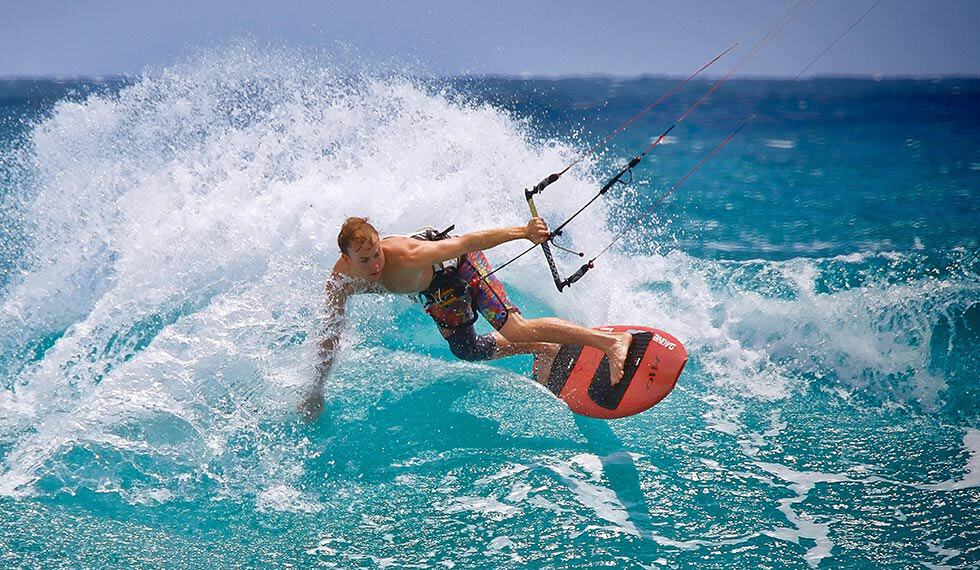
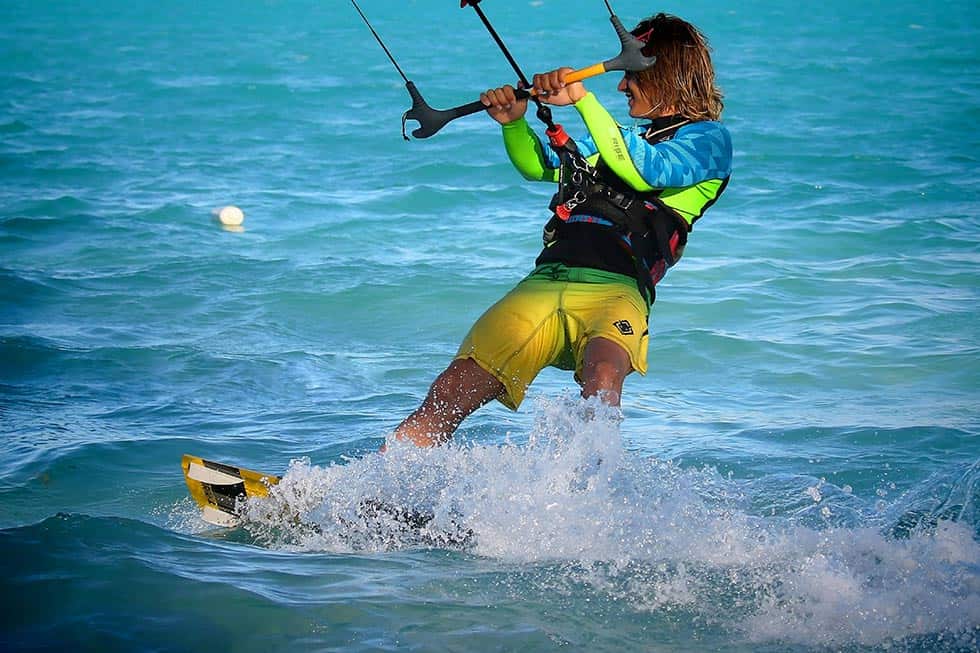
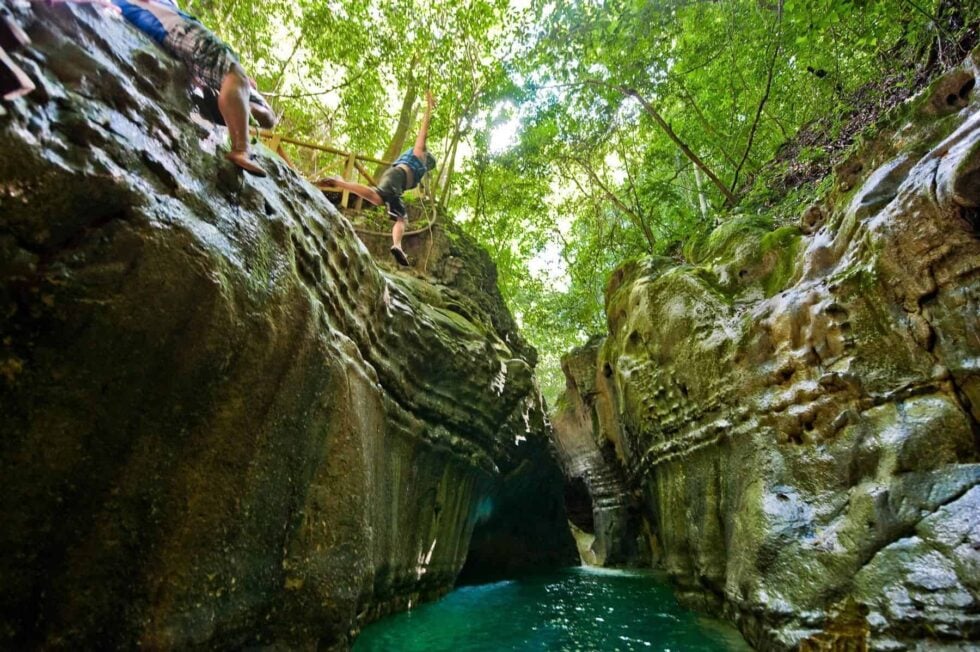
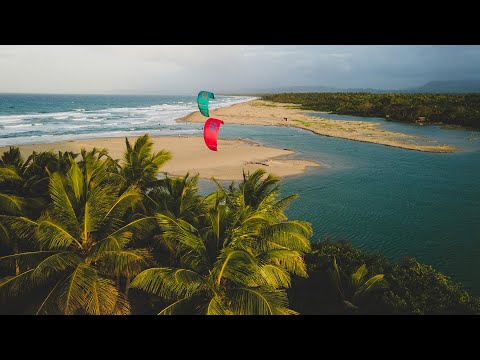
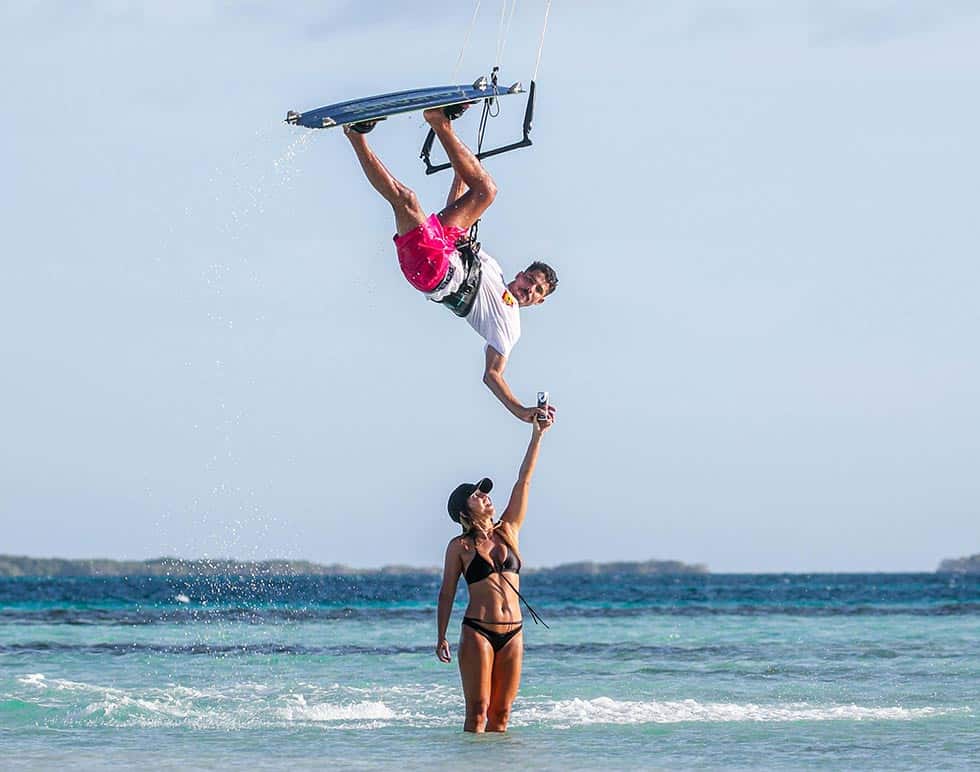

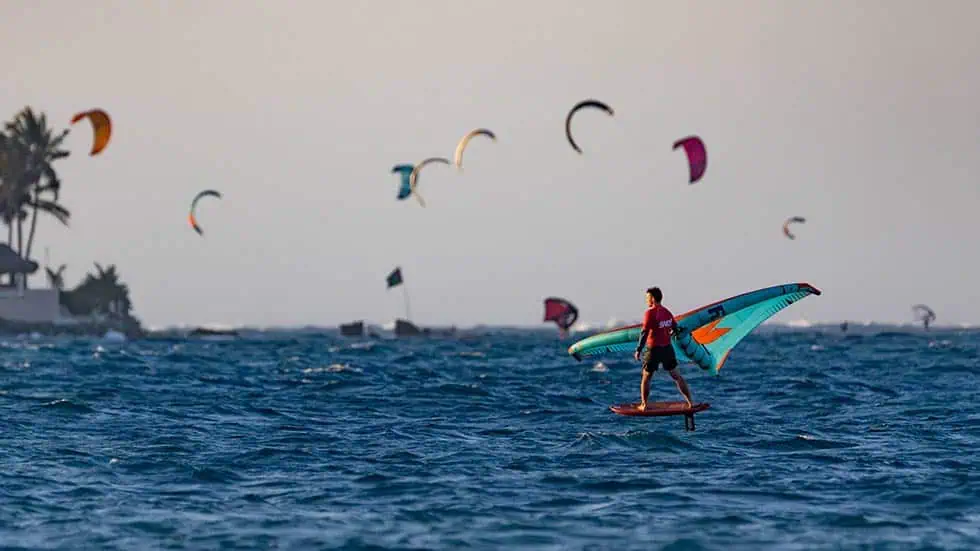


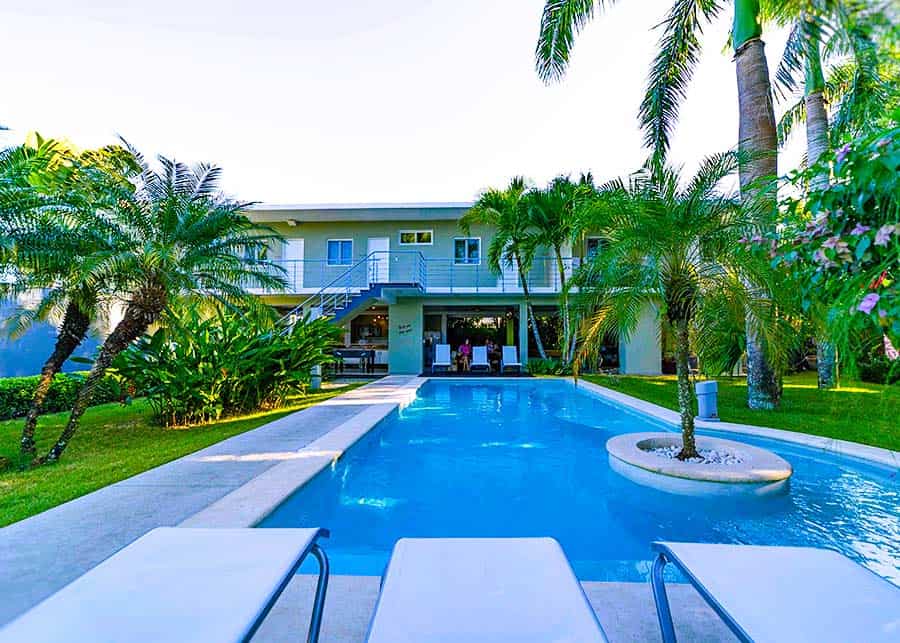


 The Kitesurfing spots in the Cabarete area: (from East to West)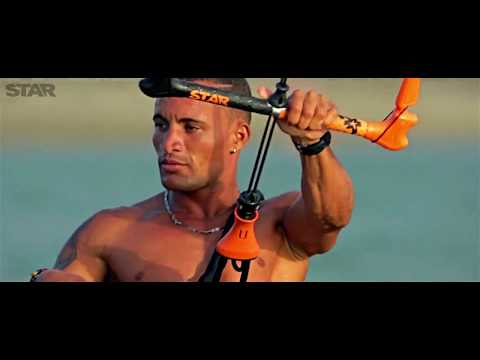


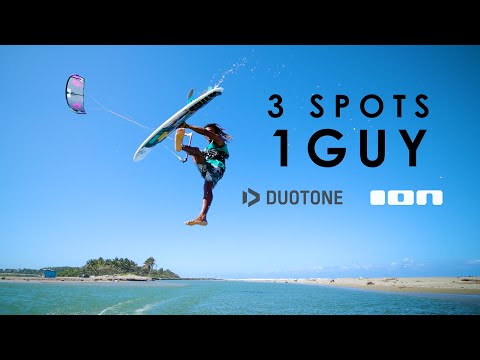
 we are going to be biased here ( look at the URL in your browser), even though we are called Swell Surf Camp, we get loads of kitesurfers (or people
  There are at least a dozen or more kite surf schools in Cabarete, some are well established and very good, and some are, well not so. There are price differences too; but do keep in mind that kitesurfing is not a cheap sport, the lessons are not cheap and neither is the equipment. Swell deals with Laurel Eastman Kiteboarding school (LEK), located at Cabarete beach, and with KiteClub at Cabarete Kitebeach. Both are very well-known and 2 of the most established, professionally run schools in Cabarete, neither of them are the cheapest kite schools, but what you will get with them is:


