KEY HIGHLIGHTS
Intermediate surfers find themselves in a sweet spot, having mastered the basics but still with plenty of room to improve and push their surfing to the next level. For those looking to progress, choosing the right surf destination is key. The ideal spots offer not just consistent waves but also a friendly surf culture and various types of breaks that cater to different levels of experience.
Among intermediate surfers’ top picks are Costa Rica, Bali in Indonesia, Australia’s Gold Coast, Portugal, Morocco, and the Dominican Republic. Each location brings something special to the table – from perfect waves that make every ride unforgettable in places like Bali and Portugal’s exotic beaches with their challenging breaks.
EXPLORE LIKE A PRO: INTERMEDIATE SURF DESTINATIONS
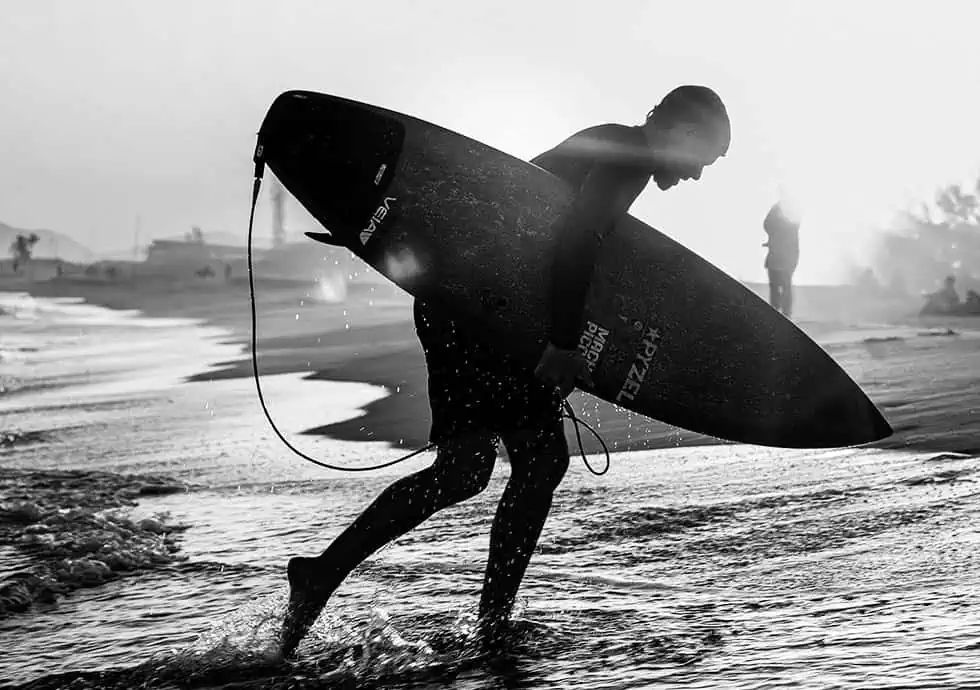
When planning your trip though you must weigh up each place carefully considering things such as how crowded they might be when you visit or how easy it is getting around there because these factors can affect your overall experience.
And don’t forget about using online resources! Online coaching has become an invaluable tool for many intermediates aiming at sharpening their skills further without being physically present at these destinations.
INTRODUCTION
Being in the middle of your surfing journey is pretty cool. You’ve moved on from being a beginner, got the hang of paddling and catching waves, and now you’re set to tackle tougher spots and tricks. At this stage as an intermediate surfer, you’re eager to check out new places, try riding different kinds of waves, and dive deep into what it means to live the surf life. Whether your goal is to get better at surfing, soak up new cultures or just have fun cruising on waves in stunning locations around the globe – there’s a bunch of spots perfect for someone like you who’s not quite a newbie but not yet an expert either.
WHAT IS AN INTERMEDIATE SURFER?
Intermediate surfers possess basic surfing skills and can catch unbroken waves independently. They are comfortable navigating different wave conditions and improving their techniques. Unlike beginners, they seek more challenging waves but may not be ready for advanced breaks yet.

WHAT MAKES A GOOD INTERMEDIATE SURF DESTINATION?
A good intermediate surf destination offers consistent waves suitable for progressing skills, experienced instructors, a vibrant surf culture, and various breaks catering to different levels.
EXPLORE THE TOP SURF DESTINATIONS FOR INTERMEDIATE SURFERS
There’s a whole world out there with amazing spots for intermediate surfers looking to step up their game. Whether it’s the warm waters of the Caribbean, the diverse coasts of Europe, Africa’s hidden gems, or Asia’s vibrant surf scenes, each place has its own unique set of waves and a friendly surfing community that makes every surf trip unforgettable. Exploring these top destinations will not only offer you a variety of waves perfect for honing your skills but also introduce you to cultures and experiences that enrich your journey as an intermediate surfer.
DOMINICAN REPUBLIC: A CARIBBEAN SURF PARADISE

The Dominican Republic is like a dream come true for anyone who loves to surf. It’s got everything: warm water, beaches with white sand, and waves that just seem perfect. Surfers from all around the world can’t help but be drawn to this place. For those at an intermediate level, it’s especially appealing. But really, no matter if you’re just starting out or have been surfing for a while and want to get even better, there’s something here for every surfer. With different kinds of waves – some gentle and easy-going on sandy beaches and others more challenging over reefs – this spot is truly a paradise for surfers looking to ride the perfect wave or beginners eager to stand up on their board for the first time.
COSTA RICA: PURA VIDA WAVES

Costa Rica is a great spot for intermediate surfers, famous for its “Pura Vida” way of life and top-notch waves. With spots on both the Pacific and Caribbean sides, there’s a wide range of waves that cater to every surfer’s skill level. Whether you’re into easy-going beach breaks or looking for more challenging reef breaks, Costa Rica covers it all. For those aiming to push their surfing skills further, the country is packed with surf camps and schools offering expert advice and coaching.
BALI, INDONESIA: EXOTIC BEACHES
Bali, Indonesia is like a dream come true for surfers at every skill level, especially those who are intermediate. With its beautiful beaches that seem to stretch on forever, a lively surfing scene, and waves that push you to your limits, Bali creates memories that stick with you.

On this island, there’s no shortage of top-notch surf spots – from easy-going beach breaks perfect for beginners to the more demanding reef breaks seasoned pros love. For those in the middle – the intermediate surfers – there’s plenty of waves just right for honing their skills while still offering up challenges to tackle next levels. Thanks to an international airport welcoming flights from all corners of the globe, getting here is a breeze which makes Bali a go-to spot for anyone looking to catch some waves.
AUSTRALIA: PERFECT BUT CROWDED WAVES
Australia is famous for its amazing surf, and the Gold Coast stands out in this regard. With top-notch waves, beautiful beaches, and a lively surfing scene, it’s paradise for anyone who loves to surf.
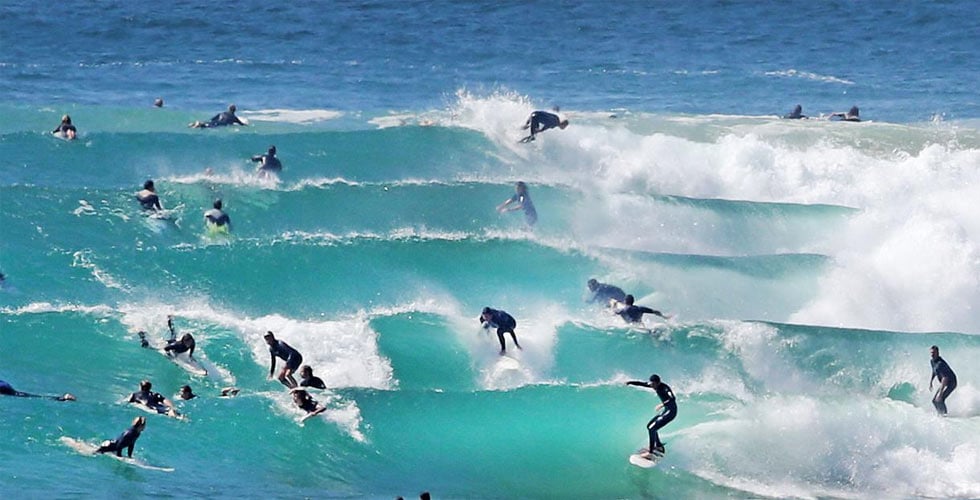
For those at an intermediate level, there’s a wide range of spots along the coast offering everything from gentle point breaks to more challenging beach breaks. On top of that, the Gold Coast boasts plenty of surf schools and camps where intermediate surfers can get expert advice and training. In Asutralia Surfing is pretty much the national sport, as a results expect some serious crowds as some of the top intermediate surf spots
PORTUGAL: EUROPE’S SURFING JEWEL
Portugal has quickly turned into a go-to spot for surfing in Europe, and it’s easy to see why. Its beautiful coastlines offer consistent waves that are perfect for the sport. For those at an intermediate level, there’s a whole range of spots to try out, from gentle beach breaks to challenging reef ones.
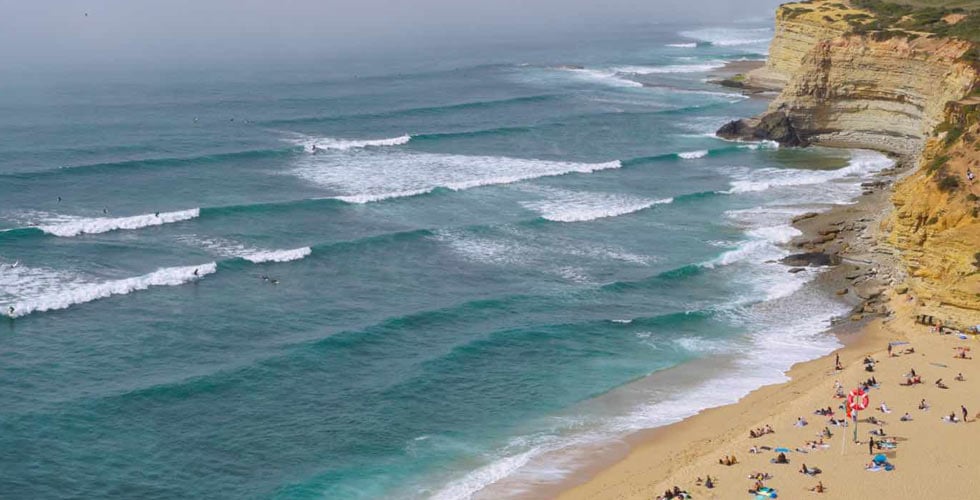
In Portugal, you’ll also find expert surf guides ready to show intermediate surfers around and help them make the most of their time in the water. Whether you’re drawn to the well-known spots like Ericeira or want to brave the intense waves at Nazaré, Portugal welcomes every surfer with open arms.
MOROCCO: AFRICAN SWELLS AND CULTURAL DIVES
Morocco is a fantastic spot for surf lovers, especially if you’re at an intermediate level. With its unique African swells and deep cultural roots, this place has something special to offer. Along its lengthy coastline, you’ll find a variety of waves – from easy-going beach breaks to the more challenging point breaks. But surfing isn’t the only thing on the menu here.
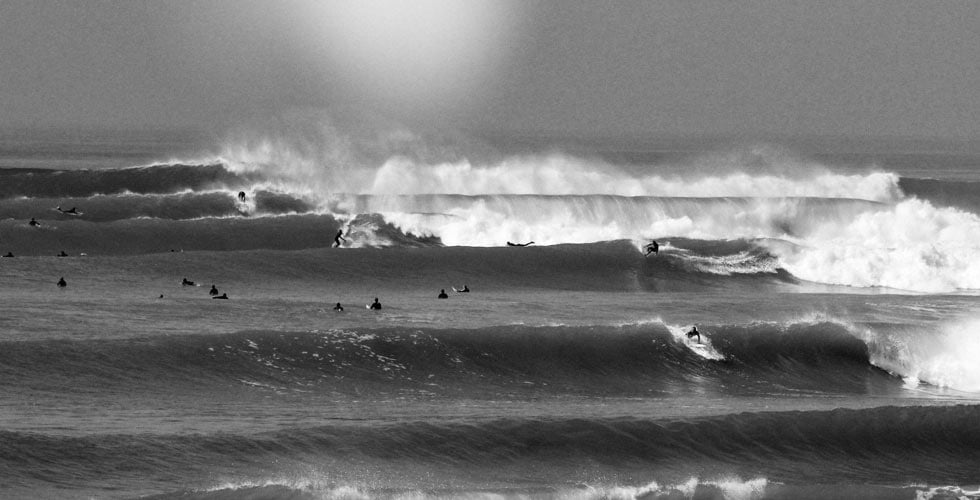
In Morocco, you can dive into local traditions, wander through lively markets, and taste some amazing Moroccan dishes (side note: this also is also where I caught my worst food poisoning ever, so be careful) . So whether it’s catching great waves or experiencing new cultures that excites you, Morocco stands out as a great destination for intermediate surfers looking for both adventure and challenge.
Surfing in the Dominican Republic: An Intro
The Dominican Republic beckons with its pristine coastline and perfect waves, making it an ideal spot for intermediate surfers.
Known for its consistent surf conditions and warm waters, this Caribbean paradise offers a variety of breaks suitable for surfers at the next level. From beach breaks to reef breaks, the Dominican Republic has it all. Surfing here promises an unforgettable experience amidst breathtaking scenery and a vibrant surf culture.
Let’s dive into why this destination stands out for intermediate surfers.
Why The Dominican Republic is a Top Surf Destination For Intermediate Surfers
With its diverse range of intermediate waves, the Dominican Republic stands out as a top surf destination for those looking to elevate their skills. From beach breaks to reef breaks, this Caribbean paradise offers the perfect setting for surfers seeking the next level of challenge. The warm waters and consistent waves make it an ideal spot for intermediate surfers to explore and progress in their surfing journey.

The Different Surf Spots On The North Coast of the Dominican Republic
The North Coast of the Dominican Republic offers a diverse range of surf spots catering to intermediate surfers. Encuentro Beach is renowned for consistent waves suitable for honing skills, while Playa Grande provides a thrilling experience with its powerful breaks. For those seeking a more secluded setting, Playa Preciosa offers a tranquil environment to ride the waves. Each spot presents a unique surfing experience, allowing surfers to explore the variety of waves the North Coast has to offer.
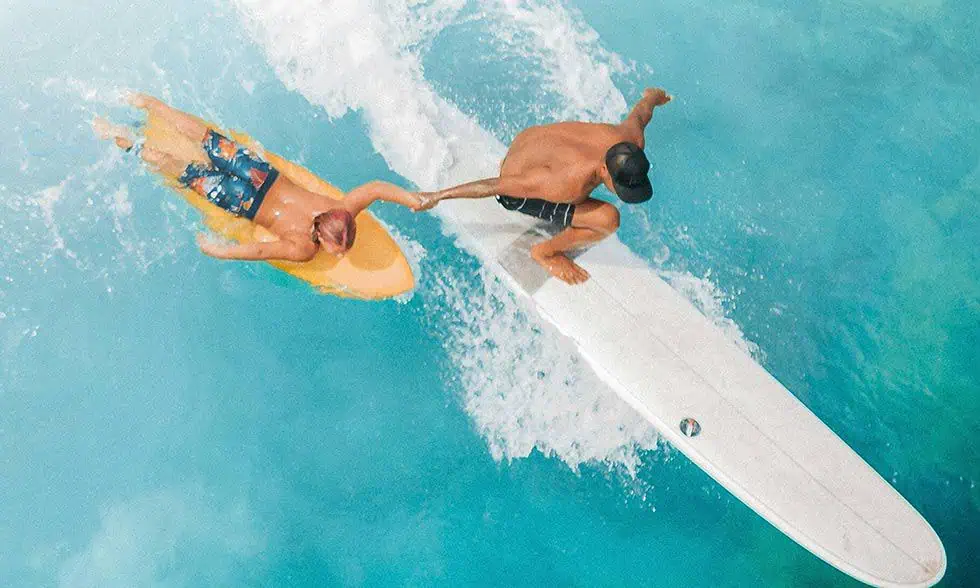
Why Costa Rica Appeals to Intermediate Surfers
Costa Rica is a great place for surf lovers, especially if you’re not a beginner but not quite an expert either. With its variety of waves, including easy-going beach breaks and the tougher reef ones, it’s perfect for intermediate surfers looking to get better. On top of that, there are plenty of surf camps around where pros can help you up your game.
Benefits of Choosing Costa Rica for Your Next Surf Trip
If you’re thinking about where to go for your next surf trip, Costa Rica should be at the top of your list, especially if you’re an intermediate surfer. With its variety of waves, it’s a great destination no matter what level you’re at in surfing. In Costa Rica, there are plenty of spots with gentle beach breaks perfect for easy rides and also tougher reef breaks if you’re looking to challenge yourself. On top of that, there are lots of surf camps around that offer expert coaching to help push your surfing skills to the next level. The warm waters, stunning beaches, and lively surf scene make sure that every moment spent here is memorable.
Considerations for Surfing in Costa Rica
Costa Rica is an amazing place for surfers who’ve got some experience under their belt, but there are a few things to think about. With the waves changing in size and strength, you need to be ready for anything. On top of that, getting to some of the best spots might mean a decent amount of paddling, so being in good shape helps a lot. It’s crucial too, to play by the local rules when you’re out on the water and keep an eye out for other surfers sharing the wave with you. If intermediate surfers come well-prepared and respect these points, they’re set up for an awesome time surfing in Costa Rica.
Pros And Cons For Surfing in Costa Rica
Costa Rica is a popular surf destination known for its beautiful beaches and consistent waves. It offers a variety of breaks suitable for intermediate surfers. Here are some pros and cons of surfing in Costa Rica:
Pros:
- Costa Rica has a tropical climate, making it an ideal destination for surfers who enjoy warm water and sunny weather.
- The country is home to a wide range of surf spots, from beginner-friendly beach breaks to more challenging reef breaks.
- There are plenty of surf guides and surf schools available in Costa Rica, making it easy for intermediate surfers to improve their skills and get local knowledge.
- Intermediate surf camps are also available, providing a structured learning environment for surfers looking to take their skills to the next level.
Cons:
- Costa Rica can get crowded, especially during the peak surf season. Surfers may have to deal with crowded lineups and limited wave opportunities at popular breaks.
- The cost of living in Costa Rica can be higher compared to other surf destinations, especially in popular tourist areas.
- Some breaks in Costa Rica require a good level of fitness and experience, as they can be challenging and have powerful waves.
Surf spots in Costa Rica, like Playa Tamarindo and Playa Hermosa, are too crowded. These places draw lots of surfers every day. With so many people, it’s hard to catch good waves without bumping into others.
Inconsistent Waves During Peak Seasons
As crowds gather, another issue comes up: inconsistent waves during peak seasons. The dry season, from December to April, brings smaller waves. These are good for beginners. But the rainy season from May to November can have too big of waves for them.
This makes it hard for surfers of all levels to find just the right wave.
The Allure of Bali for Intermediate Surfers
Bali, in Indonesia, is like a dream spot for surfers who’ve got some experience under their belt. With its beautiful beaches and waves that offer a bit of a challenge, Bali creates this perfect surfing scene. The island’s known for having waves all year round and the water’s always warm, which makes it just right for any time you want to hit the surf. On top of that, Bali’s full of life with its surfing culture and has plenty of places to stay, surf camps to join, and guides who can help intermediate surfers get even better.
So if you’re aiming to up your surfing game or just soak in the stunning views while catching some waves, Bali’s ready to welcome every intermediate surfer out there.
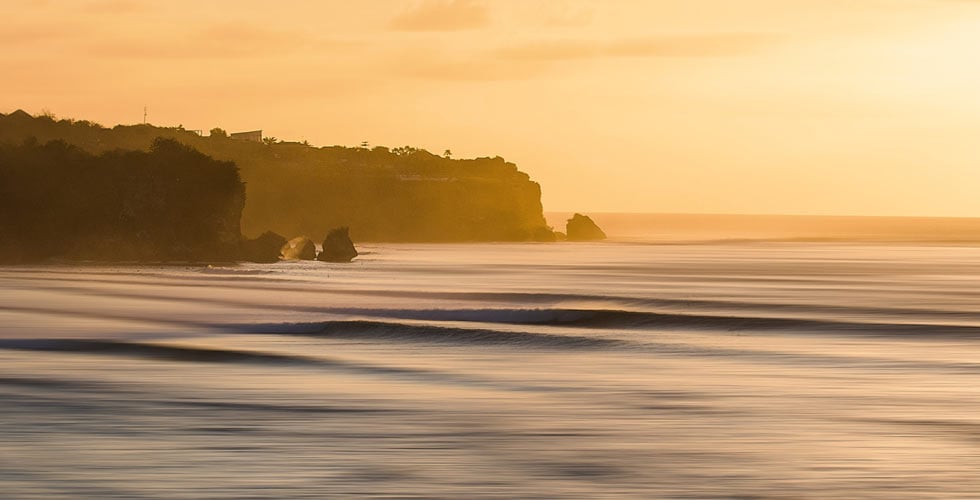
What Makes Bali a Unique Surf Destination
Bali stands out as a surf spot that has something for everyone. With its beautiful beaches and exciting waves, it draws surfers from all corners of the globe. The island is celebrated for having a wide variety of waves, including easy-going beach breaks and intense reef breaks. On top of that, Bali’s lively surf scene is supported by numerous surf shops, schools, and camps designed to help every surfer improve.
Among the best parts about surfing in Bali is getting to know the famous Balinese hospitality. The locals are super friendly and make everyone feel at home. Besides great surfing conditions, Bali dazzles with its stunning natural scenery – think green landscapes, volcanic mountainsides, and gorgeous sunsets that add an extra layer of magic to your time on the water. No matter if you’re just starting out or have been surfing for years; Bali promises an unforgettable adventure on the waves.
Points to Keep in Mind When Surfing in Bali
When you’re surfing in Bali, remember a couple of things to make sure you have fun and stay safe. For starters, keep an eye out for the reef breaks around Bali. They can be pretty tricky and need some experience to handle properly. Make sure you pick a spot that matches how good you are at surfing and try not to push yourself too hard.
Next up, think about adding some yoga into your surf trip plans. A lot of places where surfers hang out offer yoga classes as well. Doing yoga could really help with making your body more flexible and stable, which is great for when you’re on the water.

And don’t just stick to the beaches; take advantage of everything else Bali has got going on! There’s loads of cultural spots and lively nightlife scenes across the island worth checking out. Plus, trying out local dishes is a must-do for getting the full Balinese experience while visiting.
We at Swell opened our Swell Bali Surf Camp in 2020, but closed it in 2023 because we felt we could not give our clients surf lessons in a safe way. After the pandemic, the tourist numbers that came to Bali made it an unsafe and unpleasant surf destination for us, and thus we closed in 2023 and moved on to another Indonesian island paradise with far less crowds.
Surfing the Waves of Cornwall, England
Cornwall, England offers intermediate surfers a diverse experience with its mix of beach breaks and point breaks. Surfing here provides a chance to explore the beautiful coastline and enjoy a range of waves suitable for those looking to progress to the next level. With surf schools and surf camps available, Cornwall caters to surfers of all levels, making it a perfect destination for those seeking fun waves and a welcoming surf community.
Reasons to Surf in Cornwall, England
Cornwall, England entices surfers with its rugged coastline, offering a mix of beach breaks and reef breaks suitable for intermediate surfers. With consistent swells and a vibrant surf culture, Cornwall is a surfing haven. The picturesque landscapes and charming villages add to the allure, creating a unique surfing experience.
Surfing in Cornwall provides an opportunity to immerse yourself in a rich surfing heritage while enjoying the thrill of riding the waves amidst stunning surroundings.
Pros And Cons For Going to Cornwall
Pros And Cons For Going to Cornwall:
Cornwall offers a picturesque coastline with consistent waves, ideal for intermediate surfers seeking challenging breaks. The region boasts a vibrant surfing community and multiple surf schools for enthusiasts of all levels. However, the water can be colder compared to tropical destinations, necessitating appropriate wetsuits. Additionally, during peak seasons, crowded lineups can hinder the surfing experience. Despite these factors, Cornwall’s stunning landscapes and cultural charm make it a compelling surf destination.
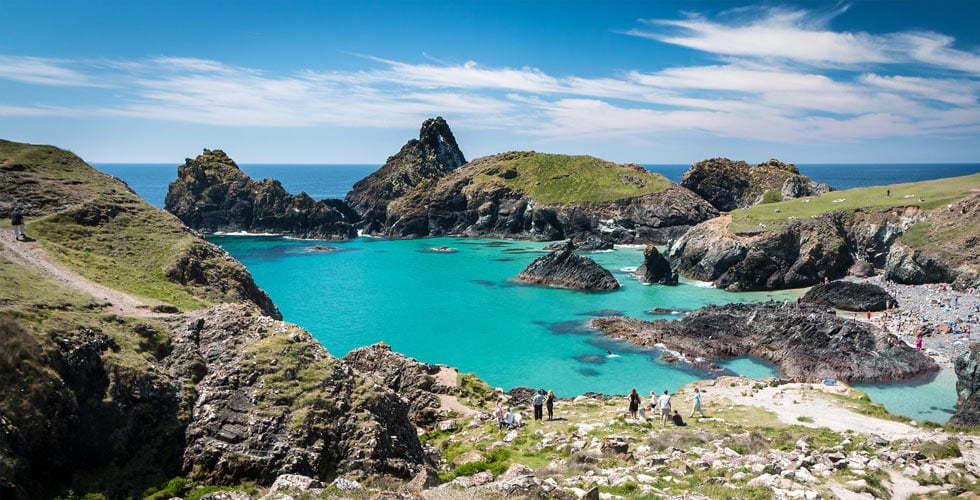
Discovering Portugal’s Surf Spots
Portugal is like a treasure chest for surfers who aren’t beginners but not quite experts either, with perfect waves and an exciting surf scene. In places like the famous Nazaré and Peniche, or the cozy surf spots of Ericeira and Sagres, there’s something for every surfer. Along its varied coastline, you’ll find all kinds of surfing spots – from challenging reef breaks to gentle beach ones. Thanks to its regular swell and warm waters, Portugal is a top pick for intermediate surfers eager to get better while catching new waves.
The Charm of Surfing in Portugal
For intermediate surfers aiming to take their skills up a notch, Portugal is the ideal spot for an unforgettable surf trip. This country is known for having some of Europe’s best waves, catering to all skill levels. With famous spots like Supertubos in Peniche and the gentle Ribeira D’llhas point break in Ericeira, there’s something here for everyone.
In Portugal, it’s not just about perfect waves; the beautiful scenery and relaxed surfing atmosphere add to its charm as a top-notch surf destination. Along its coast are quaint surfing towns filled with schools and camps led by seasoned guides eager to enhance your experience.
So if you’re starting out or looking to advance further as an intermediate surfer, Portugal stands out as the ultimate choice for your next level adventure in surf travel.
What makes Portugal a Good Surf Trip For Intermediate Surfers
Embracing Morocco’s Surf Culture
Morocco is an amazing place to surf, mixing cool waves with a rich culture. It’s got all sorts of waves, making it perfect for intermediate surfers who want to catch some action on the water. From point breaks to beach breaks, there’s something here for every kind of surfer. But surfing isn’t the only thing Morocco has going for it; you can also dive into its colorful markets, try out tasty food, and enjoy the friendly people around. So if you’re an intermediate surfer looking to get better or just soak up some local vibes, Morocco offers a bit of everything.
The Appeal of Moroccan Waves
Morocco offers diverse waves for surfers of all levels, from gentle beach breaks to challenging point breaks like Anchor Point and Taghazout. The consistent high-quality waves, fueled by Atlantic swells, provide ideal conditions for surfing. In addition to great waves, surfing in Morocco offers a cultural experience with friendly locals and delicious food, making it a memorable adventure for surfers at any level.
Disadvantages of choosing Morocco
While Morocco offers exotic waves and cultural experiences, there are some drawbacks for intermediate surfers. The inconsistent wave quality and crowded lineups can be challenging. Additionally, language barriers and cultural differences may pose communication difficulties. The lack of well-established surf infrastructure compared to other destinations could make navigating the surf spots more demanding. Despite these drawbacks, Morocco’s unique charm and adventurous spirit still attract surfers seeking a different kind of surfing experience.
Conclusion
If you’re on the hunt for some thrilling waves or peaceful rides, these best surf spots are perfect for intermediate surfers. With places ranging from the paradise-like Dominican Republic to Morocco’s rich culture, every spot has something special. So grab your board and get ready to explore these amazing surfing destinations. When you feel like catching some waves, reach out so we can help plan your next adventure in paradise!
Why Got On An Intermediate Surf Holiday With Swell Surf camp
Embark on an intermediate surf holiday with Swell Surf camp for a perfect mix of learning and adventure. Benefit from experienced surf guides, intermediate surf camps, and a variety of waves suitable for your skill level.
Swell Surf camp offers the ideal setting to take your surfing to the next level with their expert instructors and supportive environment. Whether you seek fun waves, perfect waves, or just a great destination to improve, Swell Surf camp caters to all your surfing desires.
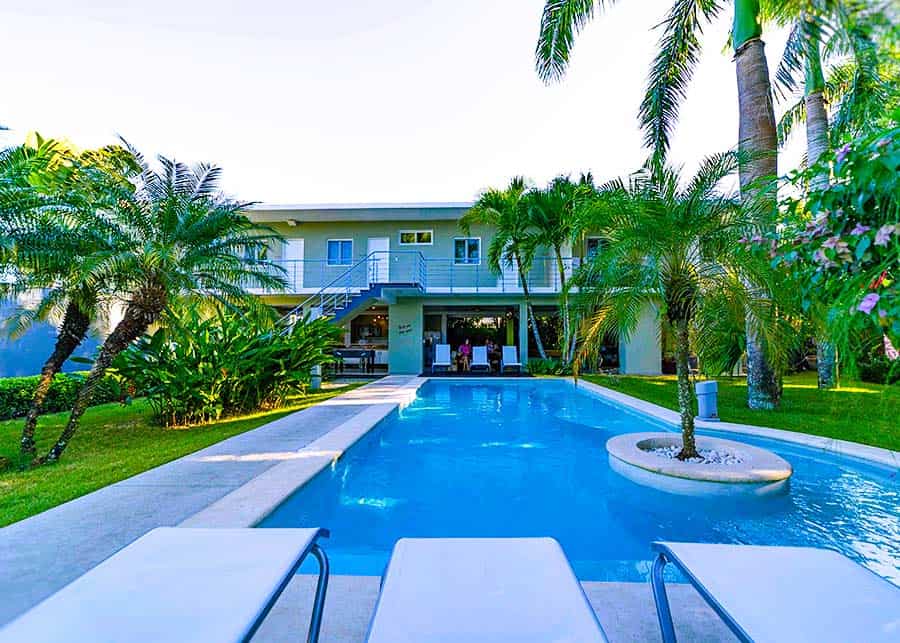
About Swell Surf camp
Swell Surf Camp offers intermediate surfers a variety of waves to enhance their skills in a tropical climate. Located near 3 international airports. Embrace the surf culture at this surf camp and take your surfing to the next level with the perfect waves and expert guidance.
div class=”faq-section”>
What should intermediate surfers look for in a surf destination?
Intermediate surfers should look for surf destinations with consistent wave conditions, manageable swell sizes, and a mix of beach, reef, or point breaks. Locations with warm water, fewer crowds, and access to surf coaching are also ideal for progression.
How do I know if a surf destination is suitable for an intermediate level surfer?
A surf destination is suitable for intermediate surfers if it has waves ranging from chest to head-high, predictable takeoffs, and space to practice maneuvers like cutbacks and bottom turns. Look for a balance between challenging and forgiving wave types.
What wave types are best for intermediate surfers when choosing a destination?
Point and reef breaks with long, peeling waves are best for intermediate surfers, as they allow time to develop control and technique. Gentle beach breaks with moderate power are also great for refining skills in a safer environment.
Are surf destinations with reef breaks good for intermediate surfers?
Reef breaks can be good for intermediate surfers if the reef is deep and the wave is not too powerful. These breaks offer consistent shape and longer rides, but it’s important to evaluate the safety and difficulty level before paddling out.
How important is surf consistency when picking an intermediate surf destination?
Surf consistency is very important for intermediate surfers. Destinations with frequent, rideable waves allow for more time in the water, which leads to faster progression. Research seasonal swell patterns to choose a location with reliable conditions.


 WHERE IS IT LOCATED: Largest island In the Caribbean, the North coast faces the Atlantic, and the south coast faces the Caribbean.

 More info about the beginner surf camps Swell offers here >>


 Where is it located: Southwest corner of Europe, bordering Spain to the east.


 Learning to surf is far more than starting a new sport and acquiring the skills necessary to compete.
 While this may sound a tad condescending, understanding your own abilities in the water and humbly accepting them could save your life. If you’re still learning and you paddle out at an advanced wave, whether that’s a shallow reef break or any break on an overhead day, you run a high risk of injuring yourself and endangering those around you.
 The most important thing to know when paddling out at a crowded line up is that the paddler yields to the riding surfer.
 If paddling wide is not an option, then aim for the white water of the wave, instead of going and aiming for the easier option of the shoulder of the wave ( where the surfer is)
 No, you’re not surfing a WSL heat, but priority still exists at every surf break. To put it simply, the surfer closest to the peak of the wave has priority over the surfer who is farther from the peak or on the shoulder. Understanding priority is key to existing peacefully in a crowded lineup.
 This may seem like a no-brainer, but it happens often. A surfer is riding down the line when all of the sudden, another surfer appears on the wave and tries to hop to their feet.
 When a wave breaks both left and right, two surfers can happily ride the same wave, just make sure to communicate by announcing if you’re going right or left, even if you think it’s obvious. A little communication in the water can do a lot to keep everyone safe and having fun.
 Most surf injuries are not caused by the seafloor, other surfs, or wildlife, they are caused by surfboards. Surfboards are rock solid and have sharp fins, they can do some serious damage.
 Laird Hamilton recalls, “I got run over by a guy when I was sixteen and he broke my leg. A guy ran me over with a giant longboard, and it compounded my leg, and that was one of those things that you learn, like, ’Don’t trust that the guy sees you and that they’re going to avoid you.’ Just remember that they’re probably going to run you over if you don’t watch where you’re going.”

